Rheinmetall Signs €5.7 Billion Arms Deal with Romania Funded by EU Defense Initiative
German defense firm Rheinmetall secures a major contract with Romania, backed by the EU's new Security Action for Europe fund.
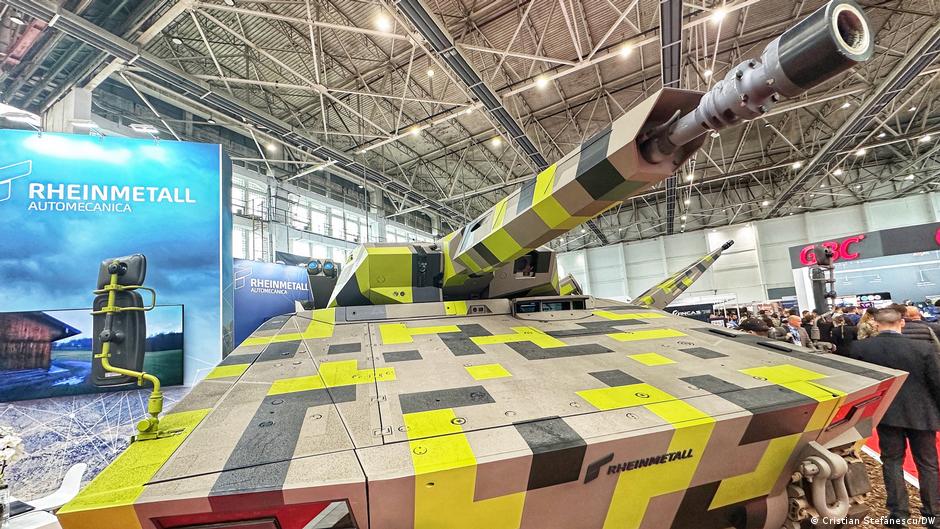
German defense conglomerate Rheinmetall has finalized a significant €5.7 billion contract with Romania for the supply of military equipment, marking a pivotal development in European defense collaboration. The deal, announced on June 2, includes the delivery of 298 Lynx infantry fighting vehicles, Skyranger air defense systems, various ammunition types, and four military patrol boats. This comprehensive package underscores Romania's strategic commitment to modernizing its armed forces amid evolving geopolitical tensions.
Strategic Context and European Defense Autonomy
The transaction represents one of the largest international orders in Rheinmetall's recent history, with initial deliveries scheduled to begin in 2028 and conclude by 2030. As part of the agreement, Rheinmetall plans to establish a domestic manufacturing footprint in Romania, investing several hundred million euros to bolster the local defense industry. This move aligns with a broader European ambition to cultivate indigenous defense capabilities and reduce dependency on external suppliers.
"The deal is historic and marks a significant step in enhancing European strategic autonomy," stated commentary from industry analysts emphasizing its long-term implications.
Romania's financing of the contract is enabled through the European Union's newly established Security Action for Europe (SAFE) program. Created in May 2025, SAFE aims to strengthen the EU's collective defense posture in response to increasing security challenges, notably the perceived threat from Russia. The fund offers participating member states preferential loans amounting to a total of €150 billion designated for arms procurement and defense sector development.
Rheinmetall CEO Armin Papperger had previously indicated potential multi-billion-euro contracts with Romania in March 2026, alongside forecasts of orders from Ukraine and Italy totaling approximately €16 billion. This reflects Rheinmetall's strategic positioning as a key supplier within the European defense ecosystem.
Historical Parallels and Economic Implications
The contract with Romania can be viewed in the context of post-Cold War European defense realignment, where former Eastern Bloc nations are increasingly integrating with Western military standards and infrastructures. The scale and nature of this deal suggest a deepening of military-industrial cooperation that transcends traditional NATO frameworks, propelled by EU institutions.
Economically, Rheinmetall's investment in Romanian manufacturing capacity could catalyze technology transfers, job creation, and supply chain enhancements within the country. This domestic industrial development aligns with EU objectives to foster a resilient and autonomous defense sector able to respond swiftly to regional security demands.
Moreover, the SAFE fund's role in financing such deals marks a structural shift in how Europe approaches defense spending—transitioning from fragmented national initiatives to coordinated, EU-backed procurement mechanisms. This may set a precedent for future arms acquisitions and collaborative defense projects, shaping the continent's geopolitical posture and industrial base for decades.
In sum, the Rheinmetall-Romania agreement exemplifies the intersection of geopolitical strategy, economic development, and industrial policy within the evolving landscape of European security. It encapsulates efforts to balance deterrence capacity with economic sovereignty, reflecting broader trends in defense modernization and alliance structures.