Russia and Taliban Sign Military-Technical Cooperation Agreement Amid Shifting Geopolitical Dynamics
The agreement signals potential arms transfers and military collaboration, raising questions about regional security and economic implications.
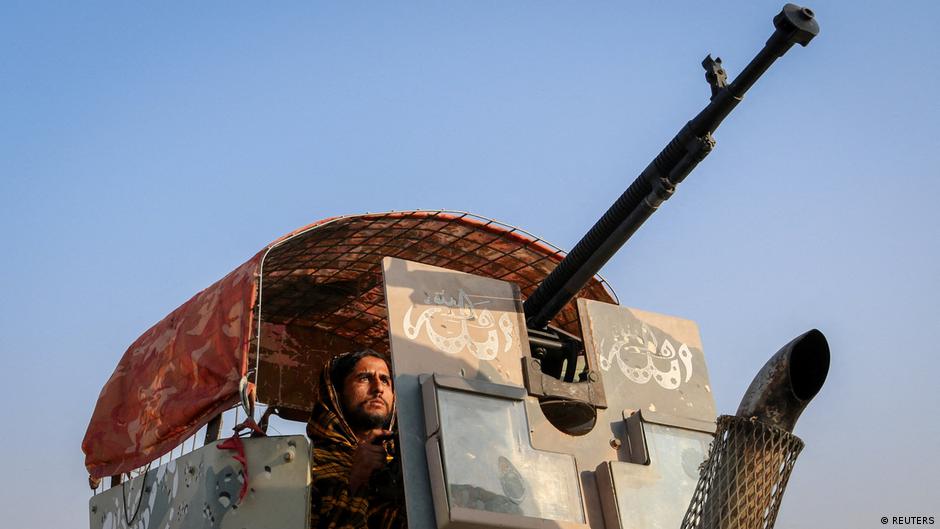
On May 27, Russia and the Taliban, the radical Islamist movement governing Afghanistan, signed a military-technical cooperation agreement during the International Security Forum held near Moscow. While the exact terms remain undisclosed, such agreements typically involve the exchange of weapons, military technologies, licenses, and joint development projects.
Historical Context and Strategic Implications
The signing of this agreement marks a significant moment in Russia's evolving relationship with the Taliban, a movement that regained control of Afghanistan in 2021 following the withdrawal of US troops. In 2024, Russian President Vladimir Putin publicly recognized the Taliban as allies in counterterrorism efforts, and by 2025, the Kremlin officially removed the Taliban from its list of terrorist organizations, accepting its ambassador in Moscow. This diplomatic pivot contrasts with the stance of countries such as Tajikistan, Turkey, and Canada, which continue to classify the Taliban as a terrorist entity.
From an economic and geopolitical perspective, this agreement may open pathways for Russia to supply the Taliban with arms and military technology, potentially reinforcing the movement's control over Afghanistan. Such cooperation could influence the regional balance of power, impacting neighboring Central Asian states and complicating the agendas of Western countries still invested in Afghanistan's stability.
"This agreement is largely symbolic given the limited practical prerequisites for serious military cooperation between Russia and the Taliban," says a regional expert, underscoring the complex nature of this partnership.
Potential Economic and Structural Consequences
The military-technical pact must be analyzed within the broader framework of Russia’s foreign policy and military-industrial complex. Arms exports have long been a tool for Russia to secure influence and generate economic revenue, especially as Western sanctions tighten. Supplying the Taliban could extend Russia’s economic reach into Afghanistan, a country with substantial reconstruction needs and untapped resource potential.
However, the economic benefits are balanced by risks. Supporting the Taliban militarily might destabilize an already fragile region, discouraging international investment and complicating global counterterrorism cooperation. Additionally, the agreement’s success hinges on the Taliban's capacity to maintain internal control, which remains uncertain due to ongoing insurgencies and governance challenges.
Russia’s call for the West to unfreeze Afghan assets and finance reconstruction signals an acknowledgment of Afghanistan's dire economic situation and a desire for a multipolar approach to regional recovery. This stance indicates a strategic effort by Moscow to position itself as a key interlocutor in Afghanistan's future, potentially filling the vacuum left by Western disengagement.
Long-Term Outlook
Historically, Russia’s involvement in Afghanistan has been fraught with challenges, notably during the Soviet invasion in the 1980s. This new cooperation must be interpreted carefully, as the geopolitical landscape has shifted substantially. While the agreement might not translate immediately into significant arms transfers or joint operations, it represents a deliberate diplomatic engagement with the Taliban regime that could have far-reaching implications for regional security, economic development, and international relations.
In conclusion, the military-technical cooperation agreement between Russia and the Taliban is a multifaceted development. Its impact will depend on the evolving political stability of Afghanistan, the responses of regional and global actors, and Russia’s strategic priorities amid intensifying global competition.