Russia Closes Azov-Don Canal Amid Drone Attacks, Disrupting Key Grain Export Route
Russia halts vessel passage through Azov-Don canal after Ukrainian drone strikes damage multiple ships, impacting grain transport and regional trade.
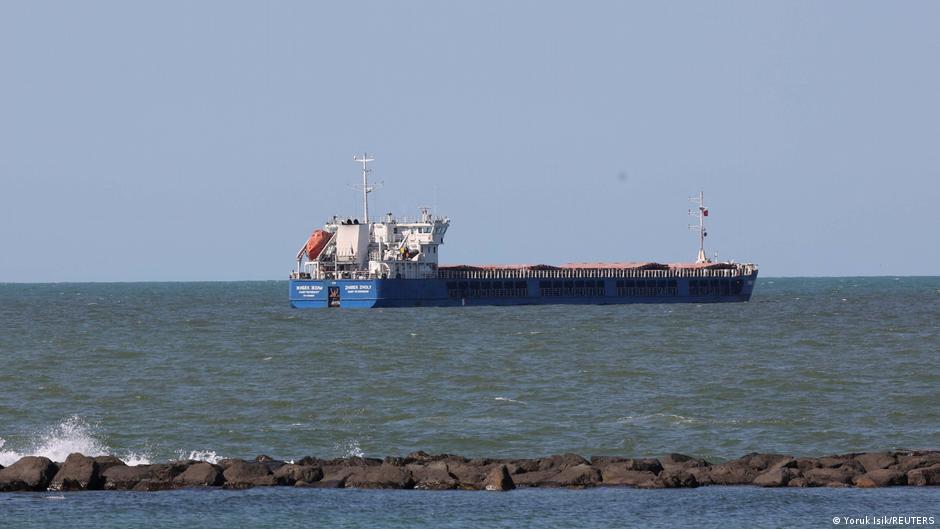
On July 10, Russian authorities announced an indefinite closure of the Azov-Don canal, a vital shipping artery connecting the Don River with the Sea of Azov. The closure follows a series of drone attacks by Ukrainian forces targeting vessels in the Azov Sea, signaling a new phase of disruption to maritime logistics critical to Russia's grain exports.
Strategic Importance and Immediate Impact
The Azov-Don canal serves as a crucial conduit for cargo, particularly grain shipments, flowing from Russia’s agricultural heartlands in the Rostov and Krasnodar regions to international markets. These regions are among Russia’s leading grain producers. The canal’s closure not only curtails maritime traffic but also restricts access through the Kerch Strait, which connects the Azov Sea to the Black Sea, further complicating navigation logistics.
"The closure of the Azov-Don canal threatens to exacerbate existing bottlenecks in Russia’s grain export infrastructure, potentially reverberating through global commodity markets."
Russian authorities, including the Border Service under the FSB, have not specified when the restrictions will be lifted. The lack of clear timelines contributes to uncertainty within the shipping and export sectors, compounding risks associated with Russia’s ongoing conflict with Ukraine.
Context of Drone Attacks and Broader Economic Consequences
Ukrainian armed forces recently claimed responsibility for drone strikes that damaged at least 25 vessels in the Azov Sea, predominantly targeting oil tankers and dry cargo ships. Notably, many of the damaged vessels belong to Russia’s so-called "shadow fleet," ships operating under international sanctions imposed due to Russia’s full-scale invasion of Ukraine.
The escalation in attacks showcases Ukraine’s strategic utilization of unmanned aerial vehicles (UAVs) to disrupt Russia’s maritime commercial activities. Russian regional officials have acknowledged some attacks but reported only minor damage, suggesting resilience yet highlighting vulnerabilities.
From an economic standpoint, the immediate consequence is a surge in wheat prices on the Euronext exchange, which jumped over 4% within a day, reaching a six-week high. This price movement underscores the global sensitivity to disruptions in Russian grain exports, which play a significant role in the international food supply chain.
Historical Parallels and Structural Implications
The closure of critical waterways as a result of military conflict is reminiscent of past disruptions in global trade routes during wartime, such as chokepoints closed during the World Wars or recent blockades affecting energy exports. Such interruptions tend to have cascading effects, including increased transport costs, rerouting challenges, and ultimately, inflationary pressures on commodities.
Structurally, the current crisis exposes vulnerabilities in Russia’s dependence on specific maritime corridors for exporting key commodities. It may accelerate strategic shifts toward alternative routes or increased overland logistics, albeit at higher cost and lower capacity. For global markets, the disruption adds uncertainty to grain supply from one of the world's largest producers, potentially prompting increased volatility and supply chain realignments.
Furthermore, the situation highlights the growing role of asymmetric warfare tactics, such as UAV strikes against economic infrastructure, in shaping modern conflict dynamics and economic resilience.
As Russia maintains silence on the precise reasons for the closure and future plans, stakeholders from shipping companies to global commodity traders remain watchful, anticipating further developments that could redefine trade flows in the Black Sea and Azov regions.