Six Injured in Kyiv Following Nighttime Russian Ballistic Missile Strikes
Russian ballistic missile attacks on Kyiv mark a continued escalation with significant civilian casualties and infrastructural damage.
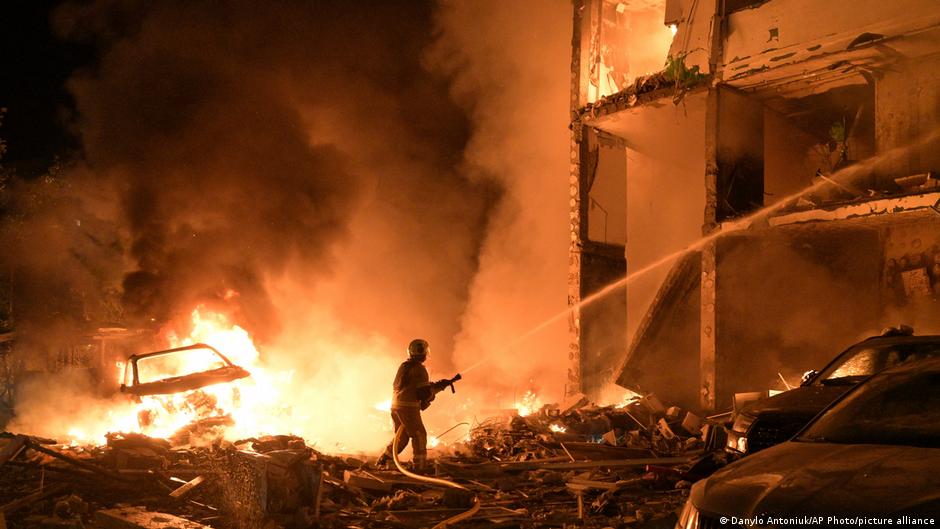
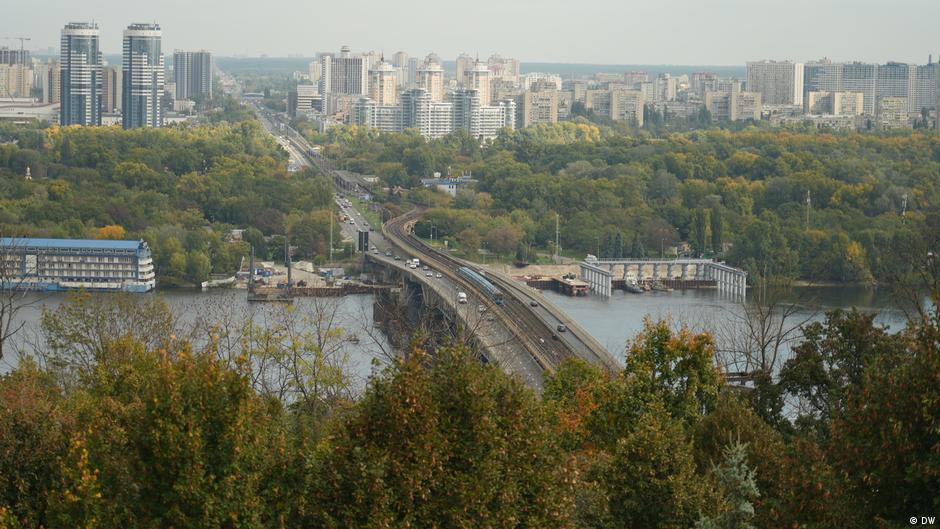
In the early hours of July 10, 2026, Kyiv experienced a severe ballistic missile strike by Russian forces, resulting in at least six civilian injuries and widespread damage across multiple districts. The attack, which began around 03:38 local time, notably lacked timely air raid alerts, contributing to heightened vulnerability among residents.
Details of the Attack and Aftermath
Kyiv Mayor Vitali Klitschko confirmed that the strikes employed ballistic missiles targeting several areas within the city. Initial explosions were followed by delayed air raid sirens—only activated two minutes after the first blast in the city and over fifteen minutes later in the Kyiv region. The delayed warnings raised concerns about civil defense responsiveness during critical moments.
Damage assessments revealed significant fires at a transformer substation in the Darnytskyi district and an office building in Solomianskyi district. Additionally, a missile struck a non-residential building in Sviatoshynskyi district, and another fire erupted within a non-residential area in Dniprovskyi district. Emergency responders treated three injured individuals on-site, with the remaining three hospitalized.
Broader Context: Rising Civilian Toll and Strategic Developments
"The confirmed civilian casualties in 2026 are significantly higher than previous years, illustrating a disturbing trend amid the ongoing conflict," noted a United Nations official.
The months of May and June 2026 have been the deadliest for Ukrainian civilians since the full-scale invasion began. According to data from the United Nations’ Monitoring Mission in Ukraine, May saw 274 civilian deaths caused by Russian attacks, while June recorded at least 265 fatalities and over 1,800 injuries. These figures are preliminary but indicate a continuing upward trajectory. In the first week of July alone, Russian strikes reportedly caused at least 93 civilian deaths.
Seasonal trends have historically shown increased civilian casualties during spring and summer, yet 2026’s figures represent an alarming spike. This escalation coincides with intensified Ukrainian drone strikes targeting Russian oil refineries, a strategic effort to exacerbate Russia’s fuel crisis and pressure Moscow politically.
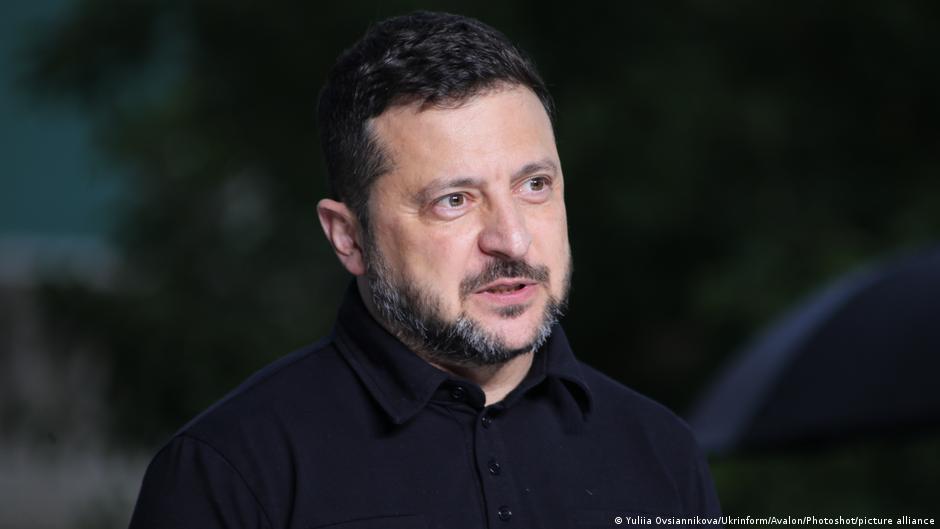
President Volodymyr Zelensky has repeatedly framed these drone and missile strikes as "long-range sanctions" aimed at compelling Russia toward peace negotiations. He emphasized that the fuel shortages resulting from attacks on oil infrastructure are impacting sentiments even within President Vladimir Putin’s inner circle.
"We have proposed measures to expedite peace and enjoy support not only from our international partners but also from some elements within Putin’s environment who recognize the situation’s gravity," Zelensky stated in a video address on July 10. He also announced the creation of a specialized command within Ukraine’s armed forces to sustain these "long-range sanctions" operations.
Russian Strategic Posture Amid Escalation
Despite the deteriorating conditions for Russian civilians and the strategic setbacks, Kremlin sources reported to Reuters that Putin remains committed to escalating the conflict. The Russian leadership reportedly maintains an uncompromising stance focused on securing complete control over the Donbas region. This position suggests a continued intensification of military operations in the foreseeable future.
The sustained missile attacks on Kyiv and broader hostilities underscore the conflict’s deepening humanitarian and economic toll. Infrastructure destruction, civilian casualties, and energy disruptions contribute to a complex and protracted crisis with significant geopolitical implications.