Murder of UK Right-Wing Politician Anne Widdecombe Highlights Challenges in Political Security
Anne Widdecombe, former Conservative MP and Reform UK spokesperson, was fatally attacked in Devon; police exclude political motive but investigation continues.
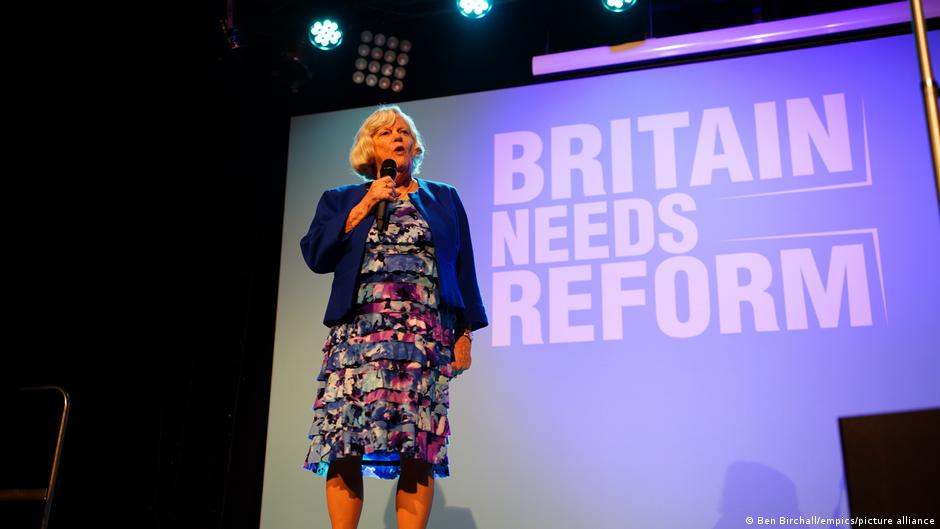
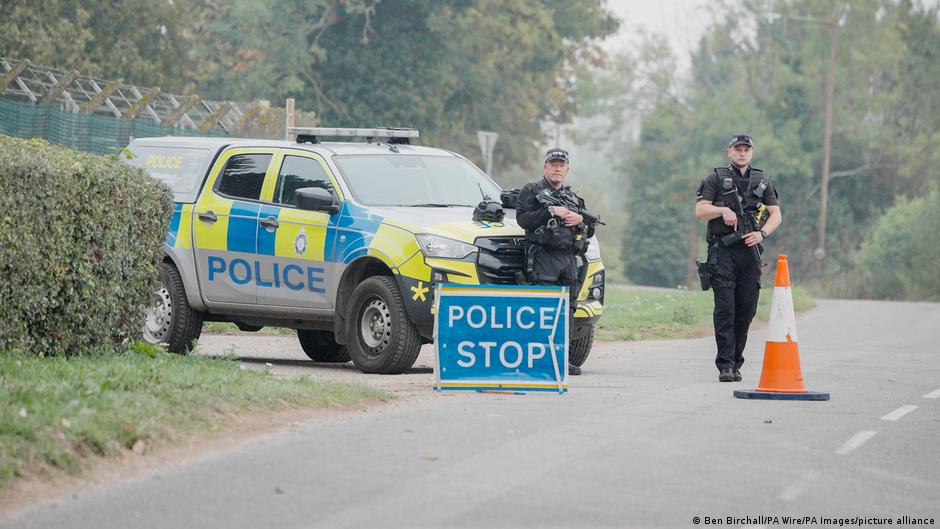
Anne Widdecombe, a prominent right-wing politician in the United Kingdom, was found dead on July 9 at her home near Dartmoor National Park. The 78-year-old former Conservative MP and Reform UK spokesperson's death has triggered a police investigation, resulting in the arrest of a 26-year-old man in Newtown Abbot on suspicion of murder. Authorities have stated that the killing is not considered politically motivated.
Historical and Political Context of Widdecombe’s Career
Widdecombe served as a Member of Parliament from 1987 to 2010 under the Conservative banner, holding several junior ministerial posts during John Major’s government, including positions related to social security, employment, and the Home Office. Known for her socially conservative views, she vocally opposed abortion rights and the expansion of LGBT rights, while advocating for the reinstatement of the death penalty in the UK and opposing euthanasia.
After retiring from Parliament, Widdecombe remained a public figure through participation in popular reality TV shows, which broadened her appeal beyond traditional political circles. Politically, she shifted towards right-wing populism, joining the Brexit Party—led by Nigel Farage—and later becoming a key figure in Reform UK, a party noted for its hardline anti-immigration stance.
Political Violence and Security Concerns in Britain
"The life of people in the public eye has become increasingly dangerous," Nigel Farage commented after Widdecombe's death.
This incident raises broader questions about the security of public officials in the UK amid a politically polarized environment. UK Prime Minister Keir Starmer emphasized that ensuring the safety of legislators is of paramount importance and called for placing shared values above political divisions. The murder underlines persistent vulnerabilities in protecting politicians, particularly those with divisive profiles.
Historically, political violence in the UK has been sporadic but impactful, with assassinations such as that of MP Jo Cox in 2016 highlighting the risks faced by public figures. Widdecombe’s death adds to an ongoing debate about the balance between open democratic engagement and the need for enhanced protective measures in an era of rising political extremism and public hostility.
Structural Consequences for UK Politics
Widdecombe’s killing could deepen existing fractures within British politics, especially affecting right-wing populist movements that have gained momentum post-Brexit. Reform UK, under Farage’s leadership, has capitalized on immigration and national sovereignty themes, attracting voters disaffected with mainstream parties. The violent death of one of its prominent spokespeople may provoke increased security concerns among members and supporters, potentially altering the party’s public engagement strategies.
Moreover, the reaction from figures across the political spectrum reflects an acute awareness of the delicate balance between maintaining democratic openness and safeguarding political discourse from violence. The tragedy may prompt policymakers to revisit security protocols for parliamentarians and public officials, alongside initiatives aimed at reducing political polarization.
In sum, Anne Widdecombe’s murder is not only a criminal investigation but also a moment for reflection on the evolving nature of political discourse and safety in the UK. It underscores the necessity for systemic responses that address the underlying social tensions feeding political extremism and violence.