Russia Eases Citizenship Acquisition for Transnistrian Residents Amid Geopolitical Tensions
Putin’s new decree simplifies Russian citizenship for Transnistria residents by removing language and history exam requirements.
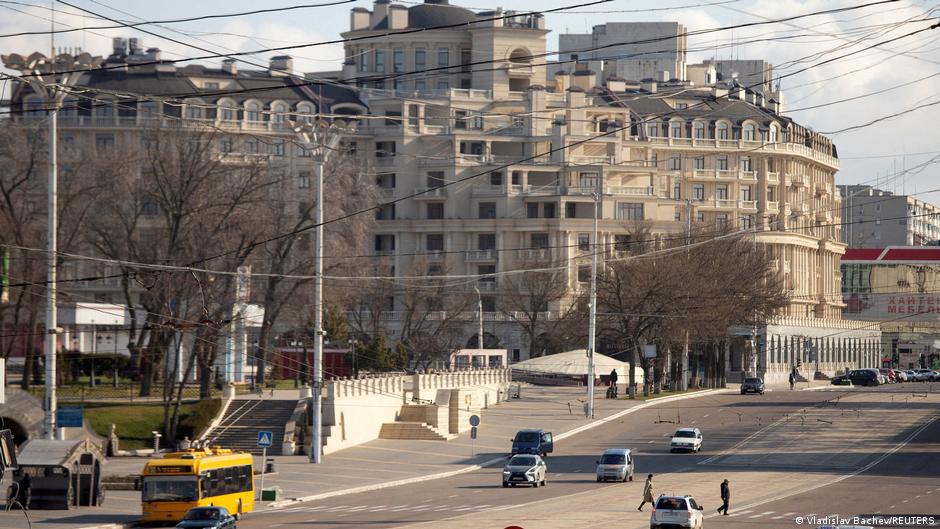
Russian President Vladimir Putin has signed a decree simplifying the process for residents of the unrecognized Transnistrian Moldovan Republic (PMR) to obtain Russian citizenship. The decree, published on May 15 on Russia’s official legal portal, removes several bureaucratic hurdles, including the requirement to pass exams on the Russian language and Russian history.
Context and Historical Background
Transnistria is a breakaway region located on the left bank of the Dniester River within Moldova’s internationally recognized borders. It declared independence in 1990 following the dissolution of the Soviet Union but remains unrecognized by any United Nations member states. The region currently hosts a contingent of Russian troops known as the Operational Group of Russian Forces, underscoring Russia’s strategic interest in the area.
The population of Transnistria is estimated at roughly 470,000, with over 220,000 holding Russian citizenship as of April, according to Russian Security Council Secretary Sergey Shoigu. This demographic detail highlights the close ties between Transnistria and Russia, as well as Moscow’s ongoing influence in the region.
Implications for Regional Stability and Economic Integration
"By lowering the barriers to Russian citizenship, Moscow is not only strengthening its demographic and political foothold but also signaling its long-term strategic commitment to Transnistria," analysts note.
The simplified citizenship process allows all adult residents of Transnistria to apply for Russian passports without passing language or history tests. Additionally, Russian citizenship may now be granted to orphaned children in the region upon the request of their guardians. This policy shift represents a significant soft power expansion for Russia, blending demographic strategy with geopolitical ambition.
From an economic perspective, the decree could deepen Transnistria’s economic integration with Russia. Russian citizenship grants residents access to broader labor markets, social benefits, and financial services within Russia, potentially alleviating some of the economic isolation caused by Transnistria’s unrecognized status. However, this also risks entrenching the region’s dependency on Moscow, reducing incentives for diplomatic resolution with Moldova.
Historical Parallels and Structural Consequences
This move echoes similar citizenship policies applied by Russia in other contested or separatist regions, such as South Ossetia and Abkhazia in Georgia and the Donetsk and Luhansk People's Republics in Eastern Ukraine. Historically, Russia’s facilitation of citizenship aims to legitimize its influence and create justifications for political or military interventions under the guise of protecting its citizens abroad.
Structurally, the decree institutionalizes a dual political identity for Transnistrians: de facto residents of a breakaway entity but increasingly de jure Russian citizens. This scenario complicates Moldova’s sovereignty claims and poses challenges for regional security architecture. It also impacts the labor mobility and migration patterns in Eastern Europe, influencing both demographic trends and economic dynamics.
In conclusion, Putin’s decree on Russian citizenship for Transnistrian residents is more than a bureaucratic adjustment. It is a calculated geopolitical strategy with significant structural economic consequences, reinforcing Russia’s influence in a contested post-Soviet space and reshaping regional economic and political landscapes.