Russia Quadruples Aviation Fuel Imports from Belarus Amid Domestic Production Decline
Increased aviation kerosene imports from Belarus reflect Russia’s shrinking domestic fuel output and export ban amid ongoing logistics disruptions.
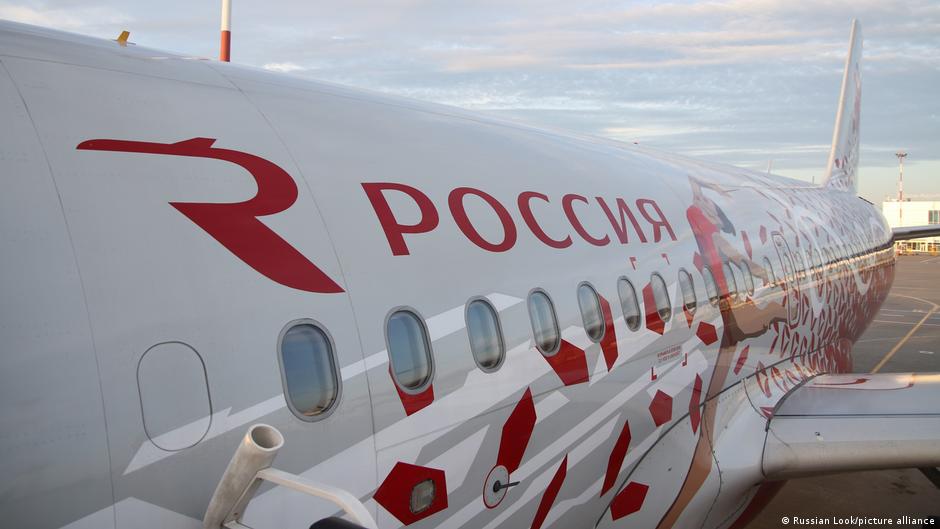
In May 2026, Russia imported 5,170 tonnes of aviation kerosene from Belarus, nearly four times the volume compared to the same period last year. Within the first ten days of June, imports from Belarus reached 2,600 tonnes. These sharp increases underscore significant pressures on Russia’s domestic aviation fuel production amid broader energy supply challenges.
Domestic Production Constraints and Strategic Import Reliance
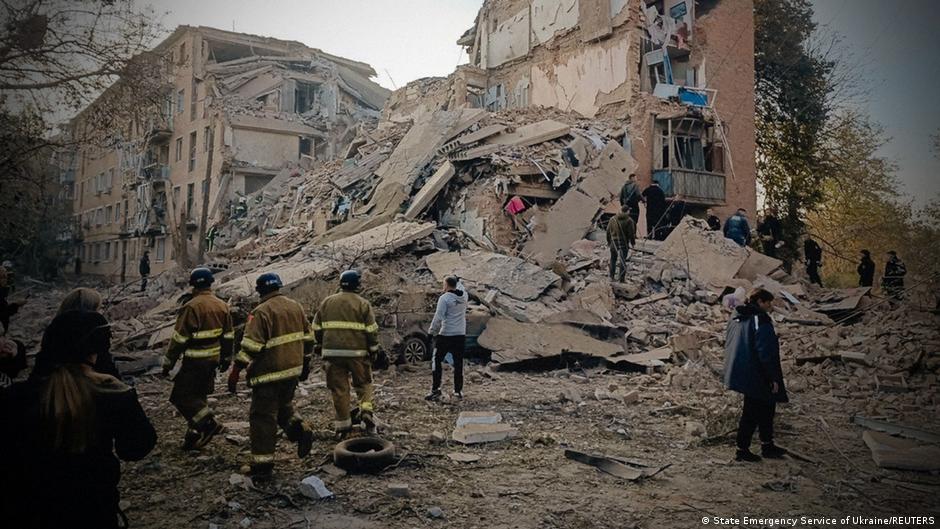
According to data from the Center for Price Indices (CPI), Russia produced approximately 11.4 million tonnes of aviation fuel in 2025. However, a major setback occurred when the Moscow Oil Refinery in Kapotnya, responsible for about 1.4 million tonnes of this total, suspended operations in mid-June following an unmanned aerial vehicle attack. Industry sources indicate that this facility will remain offline at least until winter, severely limiting domestic fuel availability.
“The surge in imports is directly linked to decreasing domestic production,” analysts observe, highlighting the vulnerability of Russia’s aviation fuel supply chain to operational disruptions.
In response, Russian authorities are reportedly considering importing jet fuel type JET A-1 via maritime ports and blending it with domestic fuel grades to mitigate shortages. This marks a significant shift in Russia's energy sourcing strategy, reflecting adaptive measures under constrained conditions.
Export Ban and Regional Fuel Supply Pressures
In a historic move effective from June 1, Russian authorities imposed a ban on aviation kerosene exports, set to last until November 30. This unprecedented policy aims to conserve dwindling domestic stocks but has also generated ripple effects in the aviation and transportation sectors.
By mid-June, airports across Russia began issuing warnings about refueling restrictions, signaling operational challenges for air carriers. The fuel supply crunch is compounded by over 30 Russian regions imposing restrictions on automotive fuel sales. These measures come amid intensified logistical disruptions caused by ongoing military actions, particularly Ukrainian strikes targeting Russian-controlled infrastructure in Crimea and other occupied territories.
As fuel supply constraints deepen, Reuters reports a 25% year-on-year drop in gasoline production in Russia by late June. In an indicative move, Russia has requested Kazakhstan to supply 50,000 tonnes of gasoline, signaling increasing dependence on regional energy partners to stabilize fuel availability.
Structural Economic Consequences and Historical Parallels
The current aviation fuel shortage and resulting import surge from Belarus highlight structural weaknesses in Russia’s energy infrastructure under geopolitical and military pressures. Historically, energy supply disruptions have precipitated broader economic stresses and necessitated strategic adjustments in energy sourcing and domestic production capacity.
The enforced export ban reflects a prioritization of internal consumption amid supply scarcity, a measure reminiscent of resource rationing policies during past crises. However, longer-term reliance on imports, even from closely allied states like Belarus, may undermine Russia’s traditional energy self-sufficiency model, with implications for both economic resilience and geopolitical leverage.
Looking ahead, Russia’s ability to restore refinery operations and diversify supply routes will be critical to stabilizing aviation fuel markets. The unfolding situation also underscores the interdependence between military developments and economic infrastructure, illustrating the complex feedback loops shaping Russia’s energy landscape in 2026.