Finland Lifts Ban on Nuclear Weapons Import and Storage Starting July 1
Finland removes prohibition on nuclear arms to enhance deterrence amid regional security tensions with Russia.
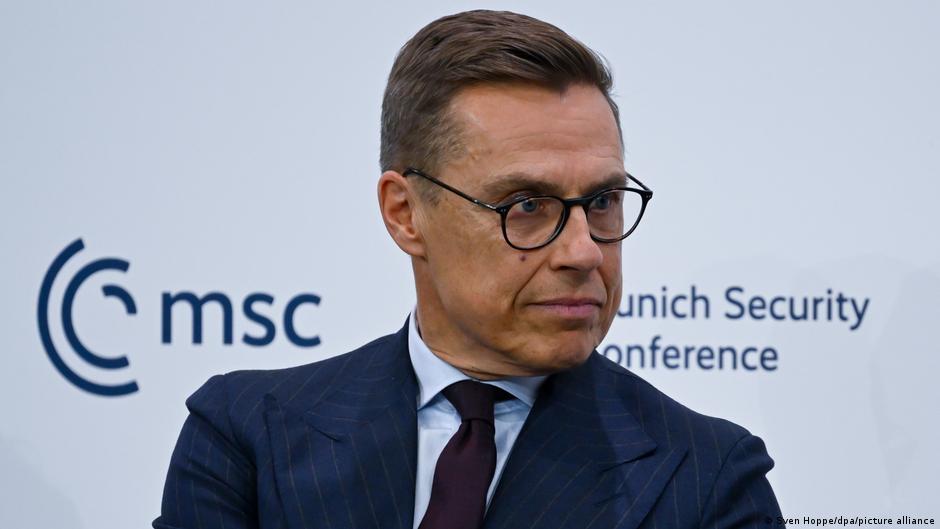
On June 26, Finnish President Alexander Stubb signed amendments to the country's Atomic Energy Act, repealing the longstanding ban on the import and storage of nuclear weapons within Finland. These legislative changes will take effect on July 1, signaling a significant shift in Finland's defense posture amid escalating regional security concerns.
The Finnish Parliament had previously approved the amendments on March 17, with 125 votes in favor and 61 against. Defense Minister Antti Häkkänen described the reform as "historic," emphasizing its role in bolstering the security not only of Finland but of the entire NATO alliance. President Stubb clarified that Finland does not intend to host nuclear weapons on its soil during peacetime but views the legal change as a component of nuclear deterrence – a strategic measure to ensure the weapons would never need to be used.
Context and Strategic Implications
Finland’s decision must be understood against the backdrop of its evolving geopolitical landscape, particularly its strained relations with Russia. Following Russia's full-scale invasion of Ukraine in early 2022, Helsinki announced its intention to join NATO, a move finalized in April 2023. Finland shares a 1,340-kilometer border with Russia, making its security considerations exceptionally acute.
"This is about nuclear deterrence—a preventive factor meant to guarantee that nuclear weapons are never used," President Stubb stated.
Earlier, in January, Finland withdrew from the Ottawa Convention banning anti-personnel mines, citing the deteriorating security environment and aggressive military actions by Russia, which itself is not a signatory and reportedly continues to deploy landmines. Defence Minister Häkkänen noted that altering Finland’s nuclear weapons policy also reduces the risk of Russia escalating military activities across their shared frontier. Moscow had previously warned of "retaliatory measures" if nuclear arms were stationed in Finland.
The changes reflect a broader trend of northern European countries recalibrating their defense policies in response to Russia’s assertive military posture. While Finland remains committed to not hosting nuclear weapons during peacetime, the legislative amendment legally enables rapid deployment if necessary, reinforcing Finland’s deterrence capabilities.
Economic and Security Consequences
From an economic perspective, the shift could have multifaceted impacts. On one hand, Finland’s enhanced security framework may improve investor confidence by reducing the risk of conflict spillover, particularly given its integration into NATO’s collective defense mechanisms. On the other hand, escalating military tensions with Russia risk retaliation through economic or cyber measures, potentially disrupting trade and energy supplies given Finland’s economic interdependence with Russia.
Historically, Finland has maintained a policy of military non-alignment, balancing Western integration with cautious diplomacy toward Russia. This legislative pivot marks a departure toward a more assertive defense stance, paralleling the security climates of other NATO members bordering Russia. The decision emphasizes structural adaptations in Finland’s security apparatus that could influence its long-term economic and geopolitical trajectory.
Looking ahead, President Stubb has advocated for Europe to engage in direct dialogue with Russia, suggesting that despite the toughening of defense policies, diplomatic efforts remain essential. This dual approach – strengthening deterrence while promoting dialogue – epitomizes Finland’s nuanced strategy in a highly volatile regional environment.