Russia Rejects Ukraine Talks Pause as Diplomacy Runs Alongside Strikes
Sergey Lavrov said Moscow would not halt military operations for negotiations, underscoring the economic logic of a war without pauses.
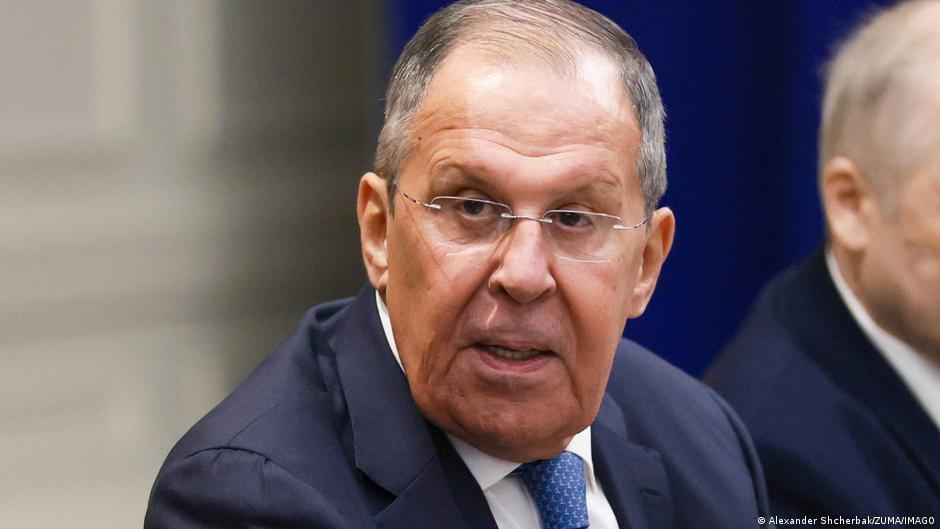
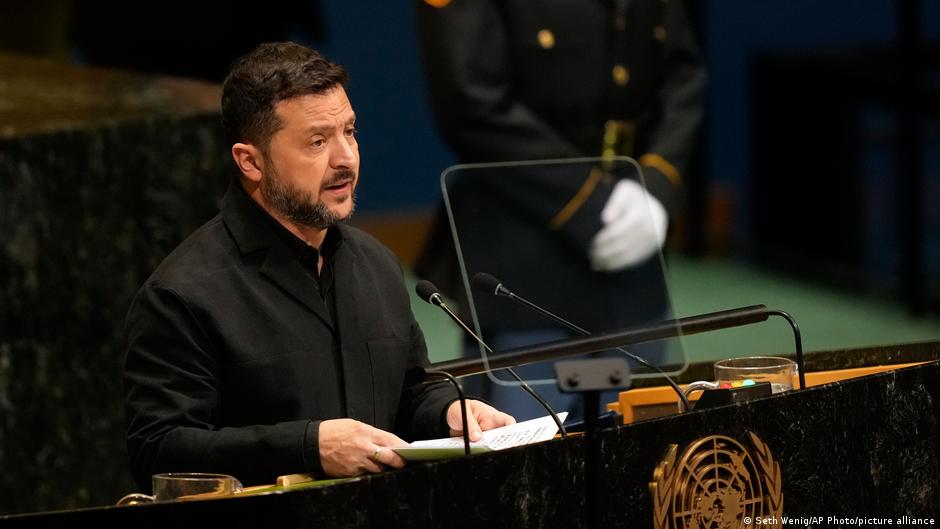
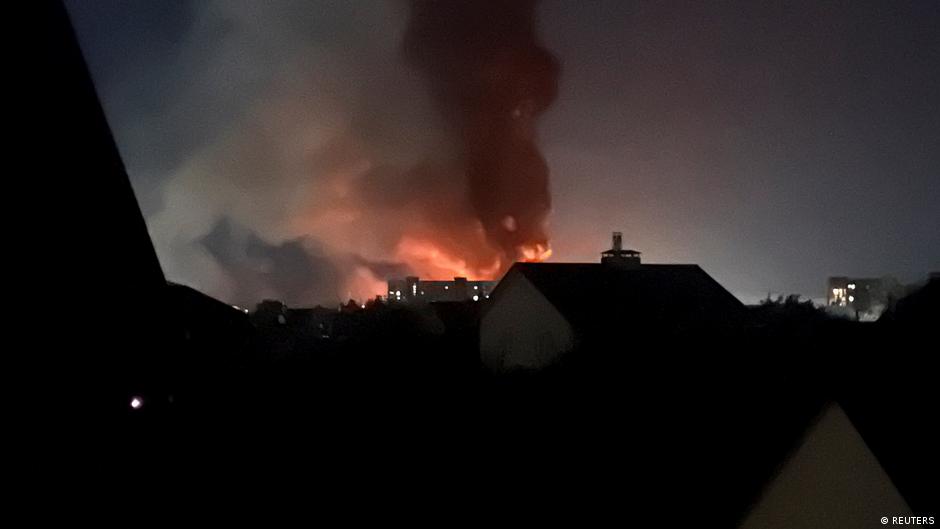
Russia will not agree to any pause in its military campaign for negotiations with Ukraine, Foreign Minister Sergey Lavrov said in New York on Wednesday, September 23, as diplomatic contacts around the war continued on the sidelines of the UN General Assembly and Moscow maintained strikes on Kyiv.
Lavrov made the statement at a meeting of the UN Security Council, arguing that Russia remained prepared for talks aimed at what he described as a “lasting just peace,” but rejecting the idea that negotiations should require a halt in military operations. The position places Moscow’s diplomacy and battlefield pressure on parallel tracks, a formula that has become central to the war’s political economy: negotiations may proceed, but without interrupting the military contest that shapes bargaining power.
“Although Europe wants precisely this, with the same simple aim of gaining a respite and replenishing the depleted military arsenals of the Kyiv regime,” Lavrov was quoted by Russia’s Foreign Ministry as saying.
The statement came as Lavrov met U.S. Secretary of State Marco Rubio in New York, where the UN General Assembly is taking place. According to Interfax, the talks lasted about an hour. It was the fifth meeting between the foreign ministers of Russia and the United States since 2025, a sign that high-level diplomatic channels have remained active even as the war continues.
Negotiations Without De-Escalation
For economic policymakers and market observers, Lavrov’s remarks point to a structural feature of the conflict: diplomacy is not being treated as a substitute for pressure, but as another arena in which pressure is applied. A pause would have clear military implications, but it would also carry economic significance. In Moscow’s framing, any halt could allow Ukraine and its European backers to rebuild military capacity, replenish stocks and reorganize supply chains.
That logic reflects a broader wartime calculation. In prolonged conflicts, the ability to sustain production, mobilize resources and keep external financing channels open can become as important as developments on the front line. Russia’s refusal to pause for talks suggests that it views time itself as an economic variable. A ceasefire or negotiating pause would not simply reduce immediate violence; it could change the relative pace at which each side restores capacity.
Rubio, speaking at the UN General Assembly in New York, again said Washington was ready to play a constructive role in achieving a ceasefire. The U.S. position, as presented in the source account, emphasizes mediation and the possibility of stopping the fighting. Lavrov’s comments, by contrast, underline the distance between a willingness to talk and a willingness to suspend operations while talking.
The result is a diplomatic environment in which the language of settlement coexists with continuing military action. Moscow says it is ready for negotiations, while maintaining that talks should not provide Kyiv with a breathing space. Washington says it is ready to help secure a ceasefire. Europe, in Lavrov’s account, is seeking a pause to restore Ukrainian military inventories. Each position contains an economic assumption about scarcity, replenishment and leverage.
The Cost of a War Managed Through Time
The refusal to stop fighting during negotiations also has consequences beyond the battlefield. For Ukraine, continued strikes on Kyiv add pressure on infrastructure, public finances and civilian resilience. For Russia, sustaining military operations while engaging diplomatically implies confidence that the costs remain manageable or politically acceptable. For Europe and the United States, the absence of a pause keeps military aid, budgetary support and defense-industrial planning at the center of policy.
Historically, wars that move into extended phases often become contests of endurance. Armies matter, but so do factories, treasuries, logistics networks and political coalitions. Lavrov’s language about replenishing “depleted military arsenals” places the war directly within that historical pattern. Whether intended as accusation or analysis, it identifies the industrial base behind the conflict as a decisive factor.
This is why the diplomatic setting matters. The UN General Assembly provides a formal stage for ceasefire appeals and international positioning, but the underlying dispute is also about sequencing. Should negotiations begin with a reduction in violence, or can they unfold while the war continues? Lavrov’s answer was explicit: Russia will not make a pause for talks in any format.
The New York meeting between Lavrov and Rubio therefore carries a double meaning. On one level, it shows that Moscow and Washington are still speaking at senior levels. On another, it illustrates the limited effect that diplomatic contact can have when the parties disagree over whether talks should alter battlefield behavior immediately. The hour-long discussion did not change the fact, noted in the source account, that Moscow continued strikes on Kyiv.
Rubio has also said that the United States invited Russian President Vladimir Putin to attend the G20 summit scheduled for December in Miami. He argued that solving problems requires meeting people with whom there are disagreements or certain frictions. Rubio added that the Miami summit could provide Putin with an opportunity to meet U.S. President Donald Trump and other world leaders, and said Washington hoped Putin would accept the invitation.
That invitation, like the Lavrov-Rubio meeting, reflects the persistence of diplomatic engagement despite the war’s intensity. But the economics of the conflict remain unforgiving. As long as the central dispute includes not only territory and security guarantees but also the timing of replenishment, mobilization and industrial recovery, negotiations may function less as an off-ramp than as part of a wider struggle over endurance.