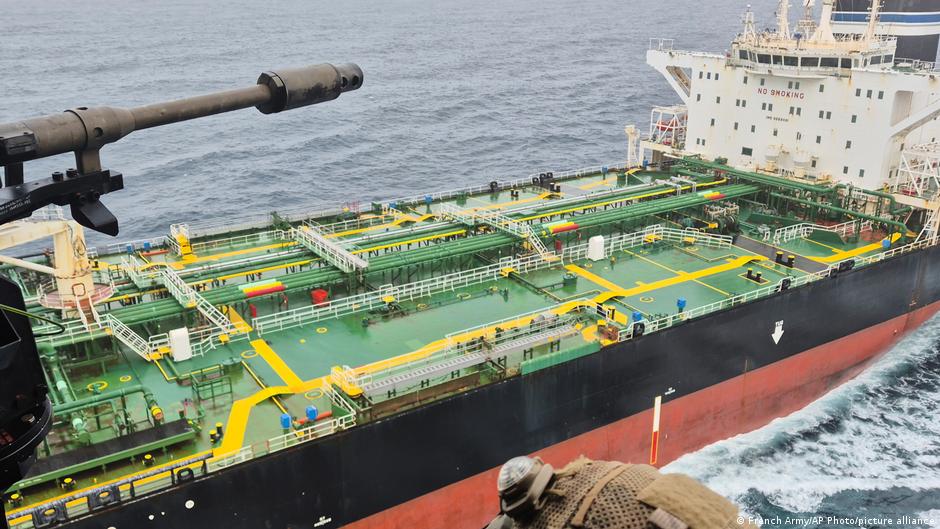
Russian Diesel Cargoes Reverse Course, Testing Trump’s Fuel Strategy
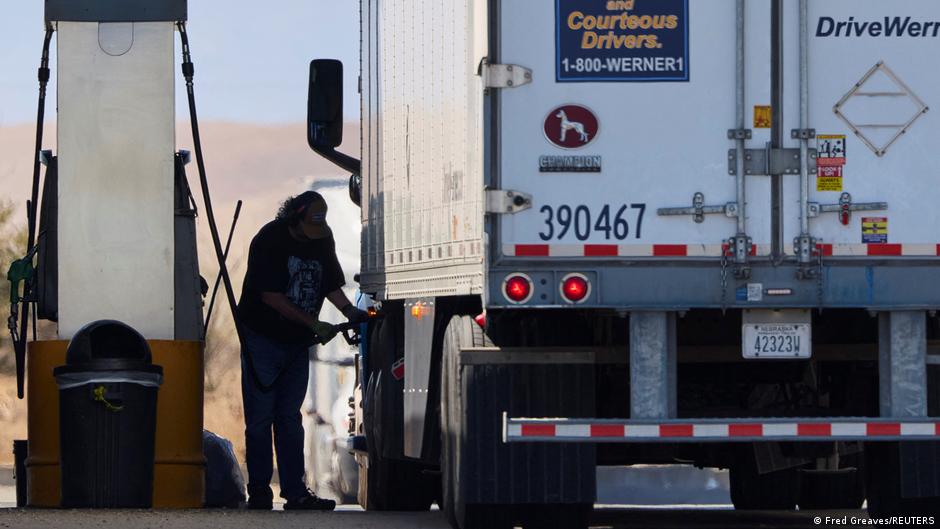
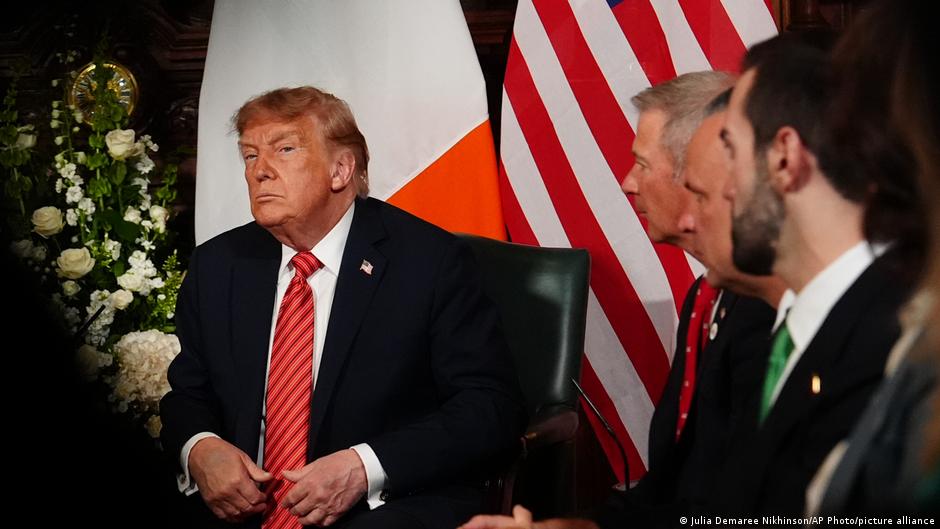
Two Russian fuel tankers have abandoned US-bound routes as sanctions and buyer caution undermine Trump’s effort to reduce soaring diesel prices.

Two Russian fuel tankers have abandoned US-bound routes as sanctions and buyer caution undermine Trump’s effort to reduce soaring diesel prices.

EU leaders remain divided over a nearly €2 trillion seven-year budget as fiscal restraint, proposed bloc-wide levies and election risks complicate a compromise.

A bipartisan group of U.S. senators says Trump’s Russian diesel deal would aid Moscow while offering little relief to American fuel consumers.

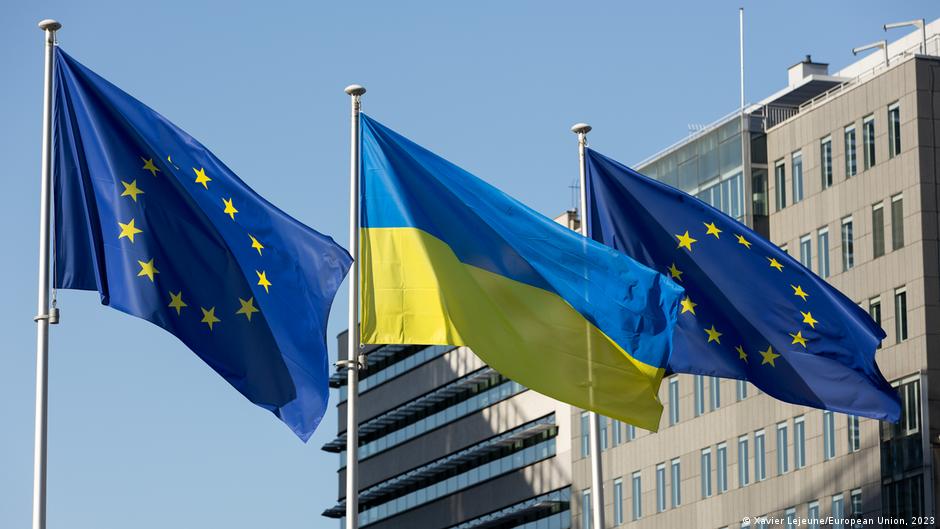
EU states agreed to open internal market and competitiveness accession clusters for Ukraine and Moldova, deepening reform and economic integration talks.

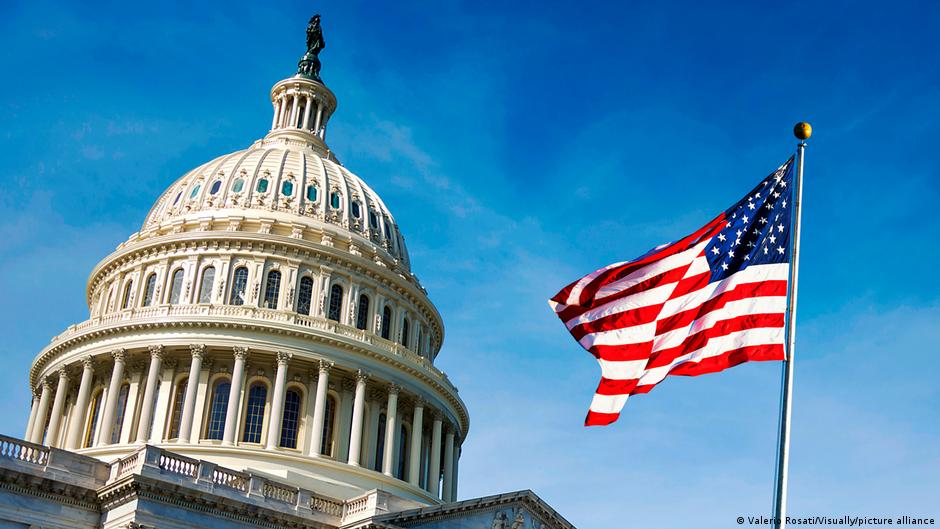
A bipartisan House bill would seek to ban Russian oil purchases after Trump announced an agreement on Russian diesel supplies.

Zelensky warned that a U.S.-Russia diesel deal could strengthen Moscow’s war economy unless tied to clear de-escalation commitments.

Kyiv denied a report that Trump proposed Zelensky travel to Moscow, as energy prices and venue disputes shape Ukraine diplomacy.

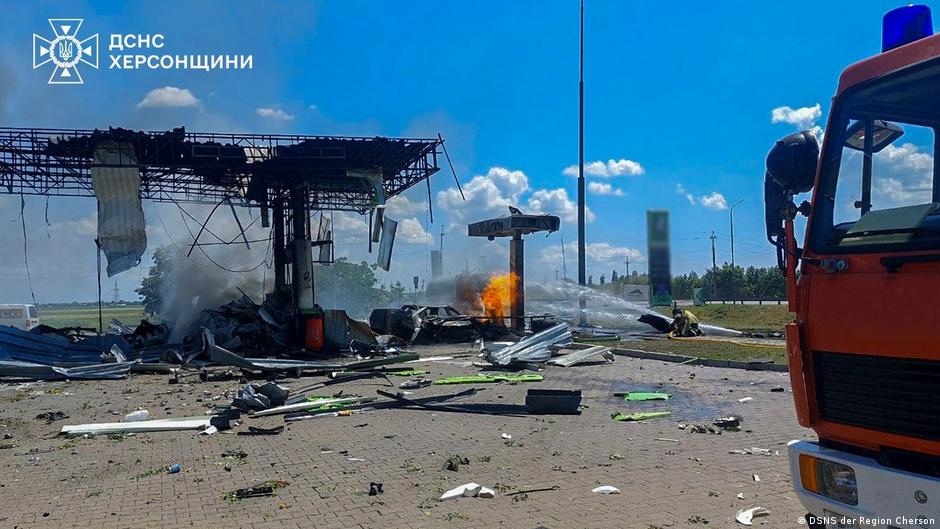
Russian attacks killed four people in Ukraine and damaged homes, a hospital, administrative buildings and warehouses across several regions.

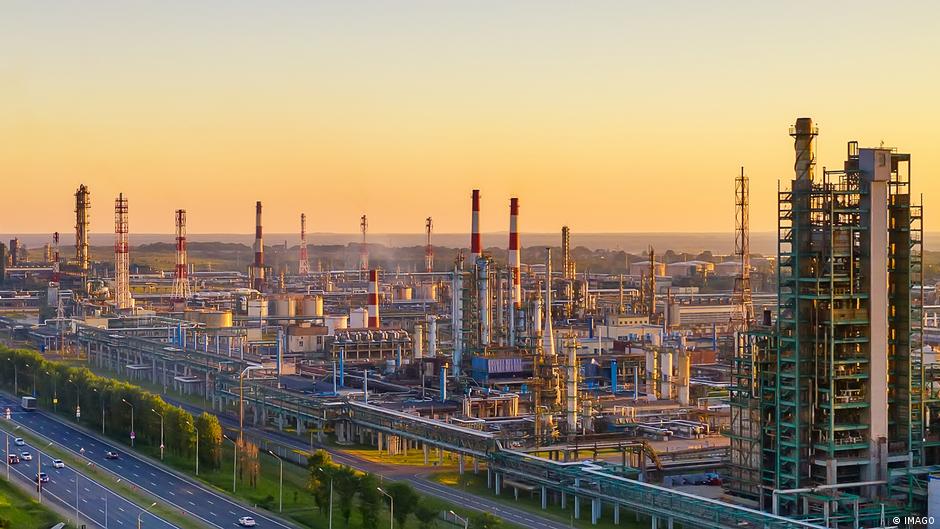
Drone damage has halted the Yaroslavl refinery, adding to Russia’s fuel shortages and exposing vulnerabilities in wartime refining capacity.

Zelensky says Ukraine’s parliament must pass difficult bills tied to billions in Western aid as defense costs and war damage widen the budget gap.

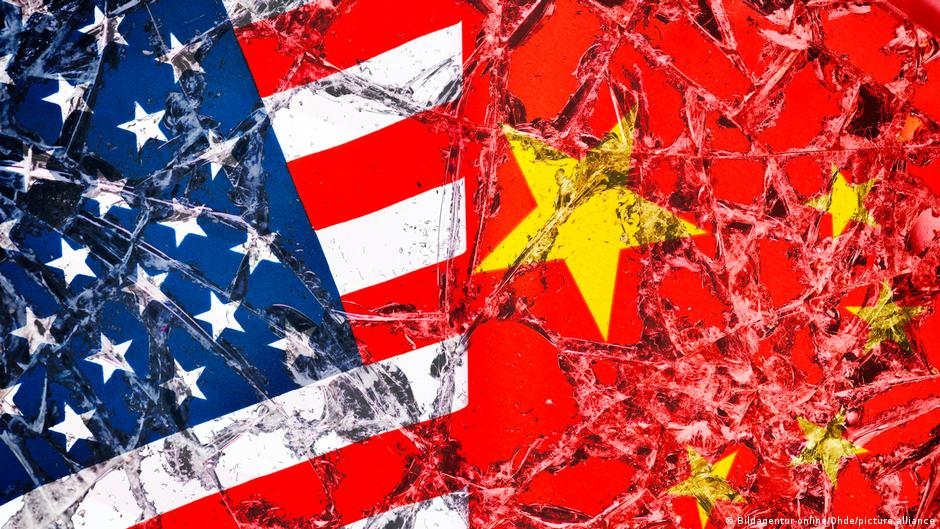
China warned the US against preparing for space warfare after Washington confirmed orbital military systems for offensive and defensive use.

Trump said the United States will remove a 10 percent tariff on Irish whiskey, a move welcomed by Ireland’s whiskey industry.

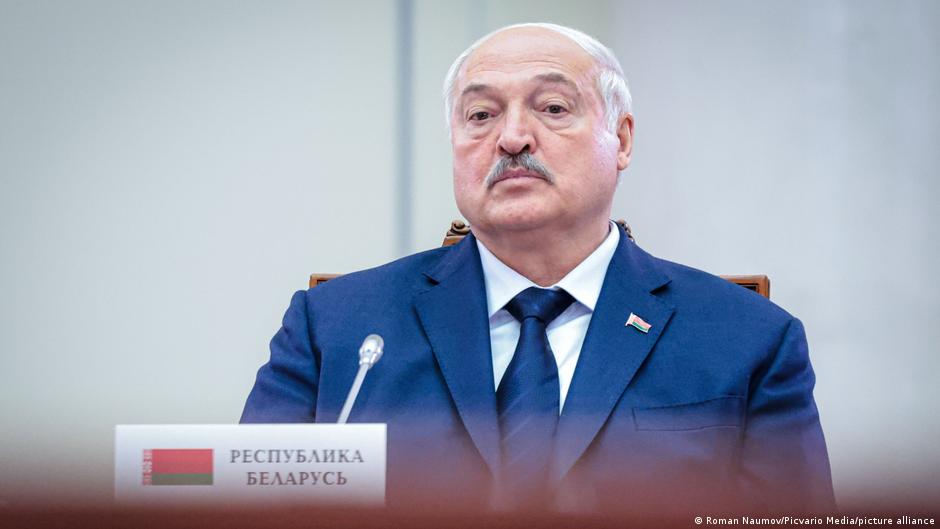
Belarus mandates military training for underperforming agricultural workers to enforce discipline and secure harvest productivity amid economic and geopolitical challenges.

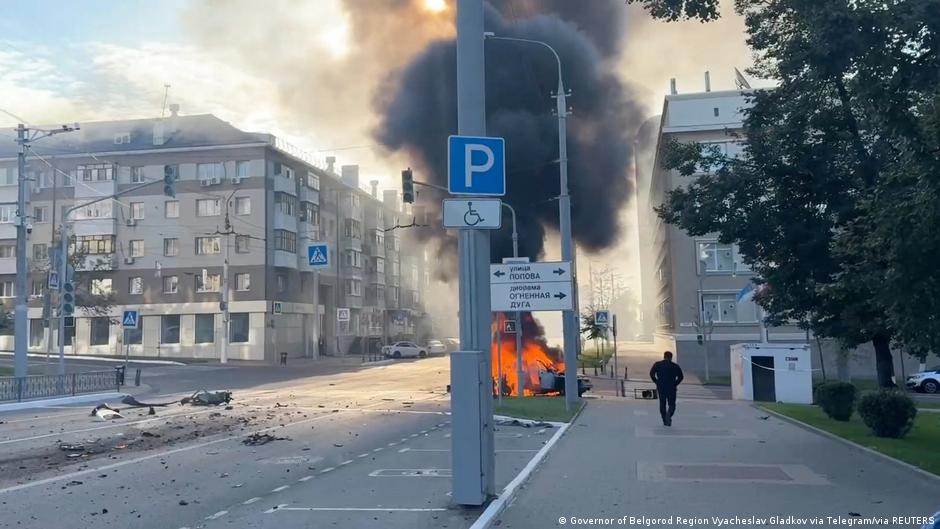
Recent Ukrainian drone attacks have caused civilian casualties in Russian border regions, while Russia continues missile and drone strikes across Ukraine, escalating the conflict's impact.

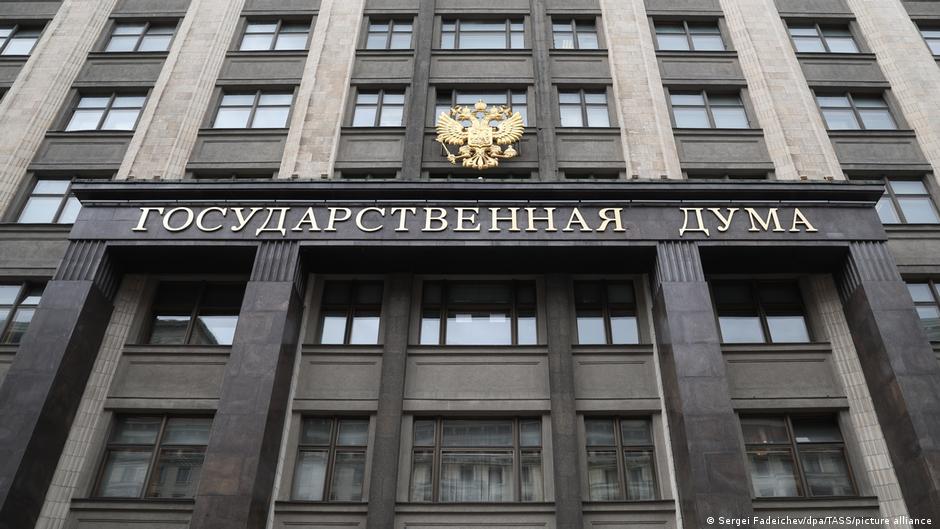
Russia’s State Duma amends fuel dampener rules and import compensations to stabilize domestic fuel prices amid refinery disruptions and export limits.

Russian forces conducted a combined strike on Izium using guided bombs and Shahed drones, causing civilian casualties and significant damage to infrastructure and agriculture.

Uzbekistan’s water reforms and digital innovations have significantly reduced water stress, offering a replicable model for sustainable management amid regional challenges.

Bolivia and the United States have signed their first drug control cooperation agreement in 18 years, marking a tentative renewal of collaboration amid Bolivia’s status as a leading cocaine producer.

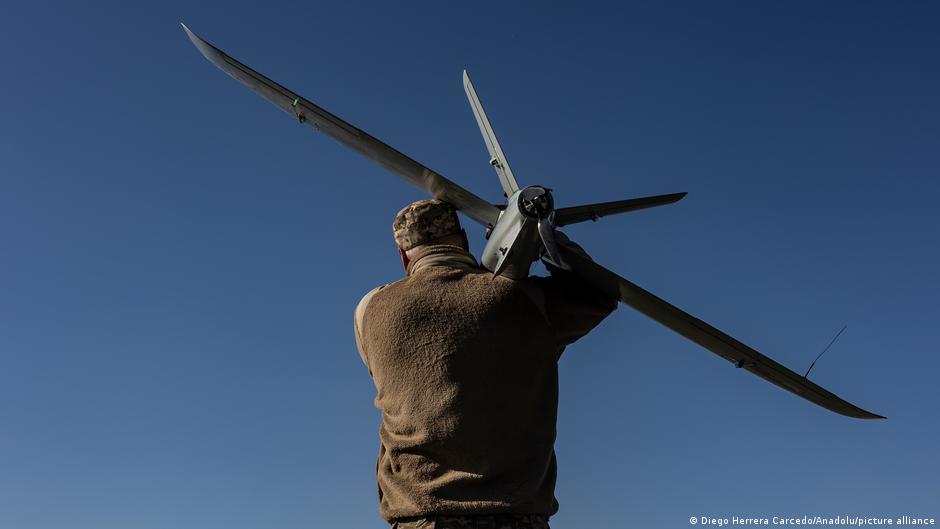
Drone attacks on Russian chemical and oil facilities caused fires and disrupted operations, exposing vulnerabilities in critical industrial infrastructure amid geopolitical conflict.

The US Congress approved $70 billion funding for immigration enforcement agencies amid controversy over fatal shootings and internal leadership changes.

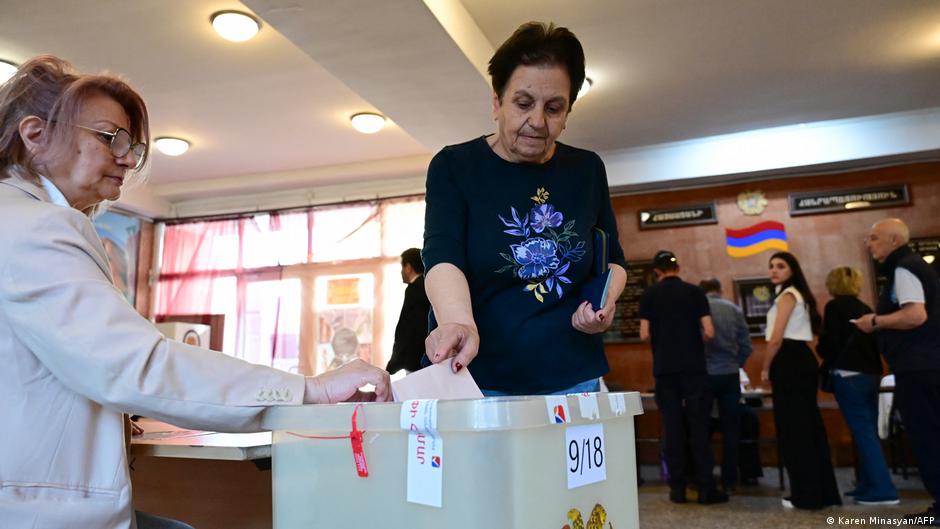
Armenia’s June 2025 parliamentary elections signal a strategic shift toward EU integration under Prime Minister Pashinyan, challenging traditional Russian influence and impacting the nation’s economic trajectory.

Hungary reinstates a ban on Ukrainian agricultural imports to protect domestic farmers and reverses its withdrawal from the International Criminal Court, highlighting economic and political recalibrations.

Uzbekistan's banks expanded their loan portfolios in Q1 2026 but faced a rise in problematic loans, especially in state-owned banks, highlighting growing credit risks amid economic growth.

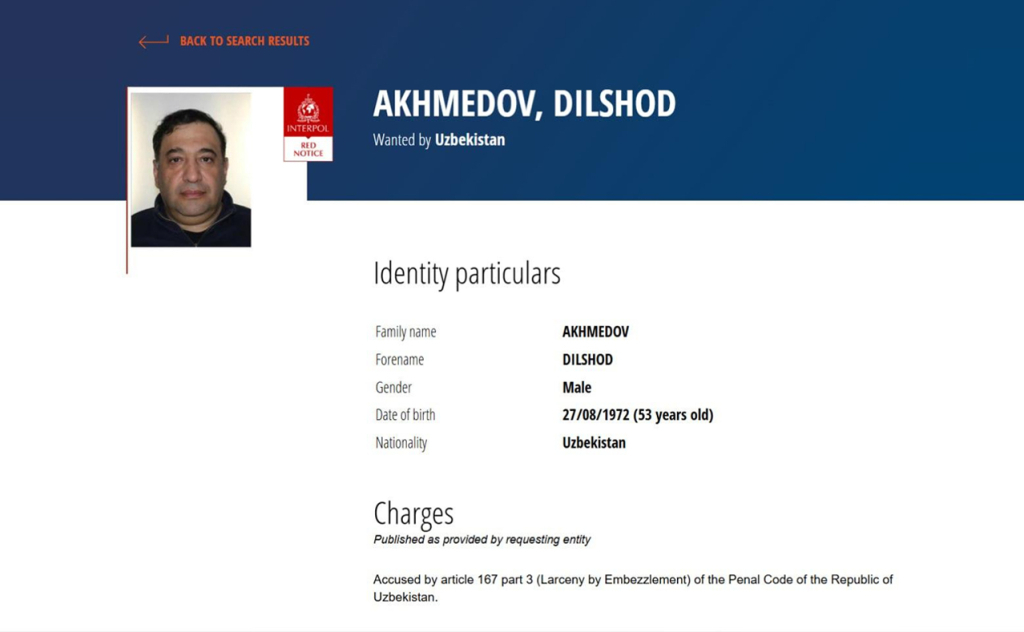
Former chairman of Uzbekistan's O‘zmetkombinat, Dilshod Ahmedov, is internationally wanted over large-scale embezzlement amid ongoing investigations into state asset misappropriation.

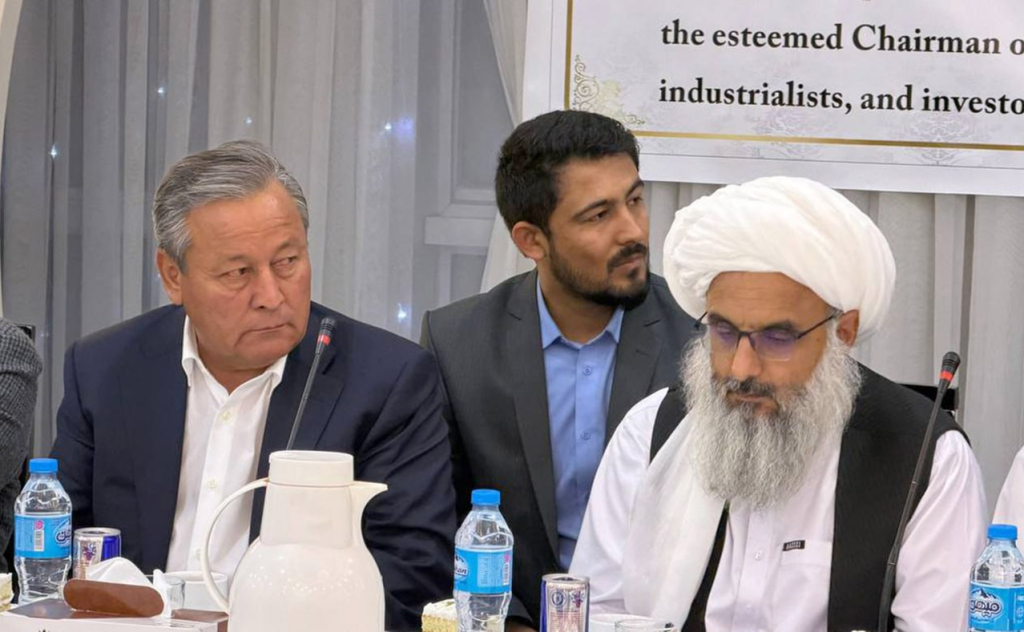
A business forum in Herat led to $300 million in trade agreements between Uzbek and Afghan entrepreneurs, highlighting evolving economic cooperation and integration.