Russian Diesel Cargoes Reverse Course, Testing Trump’s Fuel Strategy
Sanctions risk and buyer caution are disrupting a politically sensitive plan to curb record US diesel costs through Russian imports.
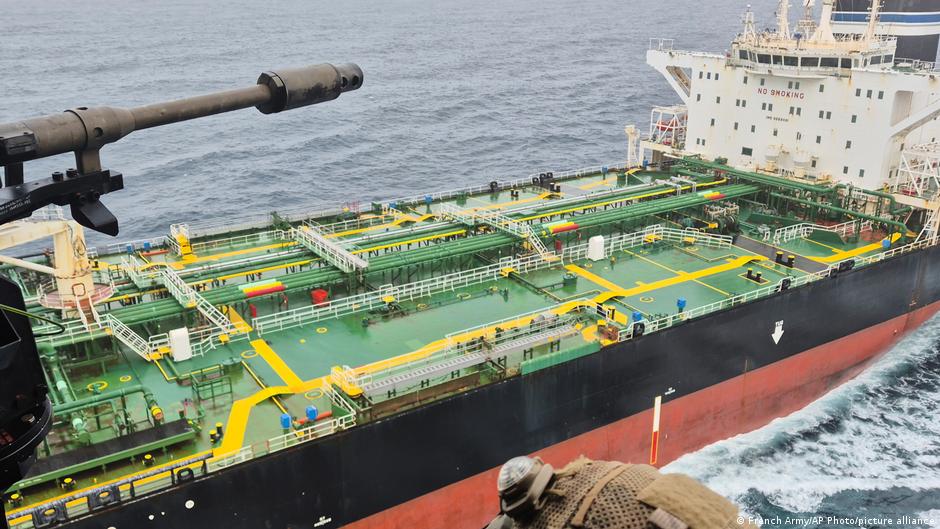
A politically charged effort to bring Russian diesel fuel into the United States is at risk of unraveling after two of three tankers initially sailing toward the US changed course, according to the Financial Times. The diversions expose the gap between a government-level agreement and the commercial, legal and logistical machinery required to deliver sanctioned energy cargoes.
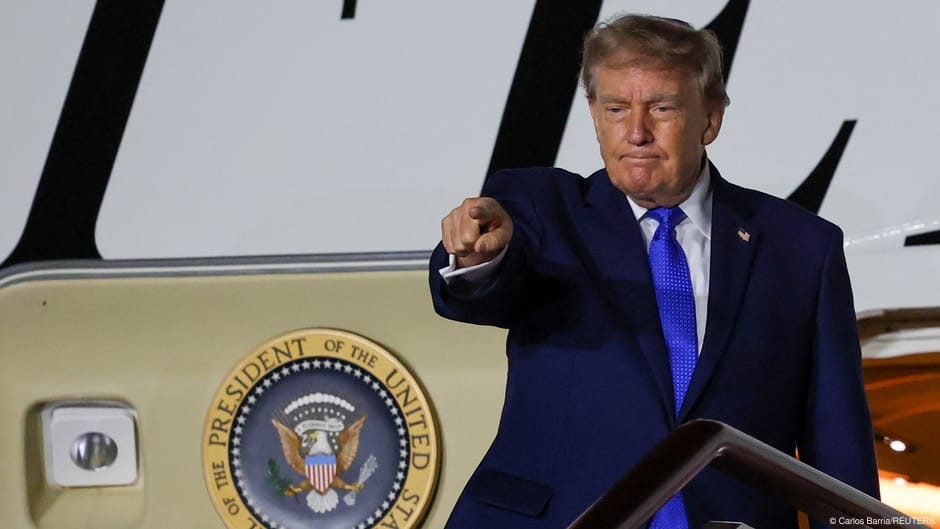
The arrangement, reached between US President Donald Trump and Russian President Vladimir Putin only weeks before the congressional midterm elections, was intended to ease severe pressure on American fuel prices. Trump hoped that additional diesel supplies would reduce costs for consumers and reinforce political support. Instead, uncertainty surrounding the shipments has underscored how sanctions can constrain trade even when national leaders favor a transaction.
The Russian tanker Talisman and the Leruo, a Sierra Leone-flagged vessel owned by a Hong Kong company, no longer list the US Atlantic coast as their destination. Since November 2, the Leruo has redirected toward Brazil. The Talisman entered the Mediterranean and was located off Algeria while transmitting the signal “for orders,” indicating that its cargo did not yet have a confirmed buyer or destination port.
Both vessels are under European Union sanctions. That status can complicate far more than the ships’ physical access to ports. A fuel cargo depends on a network of buyers, insurers, banks, brokers, port operators and other service providers, each conducting its own assessment of sanctions exposure and regulatory risk. A political commitment to purchase fuel cannot automatically compel those private actors to participate.
Sanctions Friction Meets a Supply Shock
The third tanker identified as part of the original group, the Agioi Fanendes, continues to sail toward the United States but is also transmitting “for orders.” Owned by the Greek shipping company Eastern Mediterranean Maritime, it was expected to reach New York over the weekend. Its status leaves open the possibility that it, too, could be redirected before entering a US port.
“Given the apparent caution of US buyers because of regulatory, legislative and sanctions risks, it would not be surprising if this tanker also changed course and abandoned its US call,” Kpler analyst Matt Smith told the Financial Times.
Another sanctioned vessel, the Beast, loaded fuel at Russia’s Primorsk port on October 27 and was continuing toward the US Atlantic coast. The tanker is owned by companies based in the Seychelles. Its voyage shows that the route has not closed entirely, but it also reinforces the central commercial problem: a ship’s heading does not guarantee that a buyer, terminal or payment channel will be available when it arrives.
The disruption comes during an acute diesel-price shock. Diesel futures have risen by more than 60% since the beginning of the war in Iran. At the start of November 2026, the average price of diesel at US filling stations was about $6.30 a gallon, equivalent to $1.66 a liter. Such prices affect not only motorists but also the broader economy because diesel is a critical input for trucking, agriculture, construction and distribution.
That transmission mechanism gives diesel inflation unusual economic and political force. Higher transport costs can move through supply chains and increase the cost of delivering food, industrial goods and consumer products. Businesses can absorb part of the increase through lower margins, but persistent fuel inflation creates pressure to pass costs on to customers. The result can be a wider price effect even if the initial disruption is concentrated in energy markets.
A Political Deal Without a Commercial Foundation
The episode has historical parallels with previous energy crises in which governments sought rapid supply relief but encountered infrastructure, contractual or geopolitical constraints. Oil products are not fully interchangeable, and physical availability is only one part of the market. Refinery configurations, product specifications, shipping capacity, insurance and legal compliance determine whether a nominal supply can become usable inventory.
In this case, sanctions add a structural layer of uncertainty. Companies may avoid a transaction even if it appears legally possible because the cost of an enforcement dispute, delayed payment or reputational damage could exceed the expected trading profit. That caution can produce a chilling effect beyond the formal scope of restrictions, reducing market liquidity and narrowing the pool of potential buyers.
The timing also magnifies the political consequences. Trump reached the agreement with Putin shortly before the midterm elections, calculating that cheaper diesel could strengthen support for Republicans. The initiative did not deliver that result. In the November 3 elections, Democrats secured majorities in both the Senate and the House of Representatives.
The reversals therefore represent more than a shipping problem. They illustrate the limits of using bilateral political agreements to obtain immediate relief in a market governed by sanctions, private risk controls and complex supply chains. Even if some Russian diesel ultimately reaches the United States, the uncertainty surrounding the cargoes weakens the plan’s ability to provide fast, predictable price relief. For an economy already confronting elevated transport costs, that leaves the underlying diesel shock—and its inflationary consequences—largely unresolved.