Russian Drone Strike Damages Residential Building in Pavlohrad, Injures 12 Amid Ongoing Ukraine Conflict
Russian drone attacks on Ukraine’s Dnipropetrovsk region resulted in civilian injuries and infrastructure damage, highlighting escalating wartime economic repercussions.
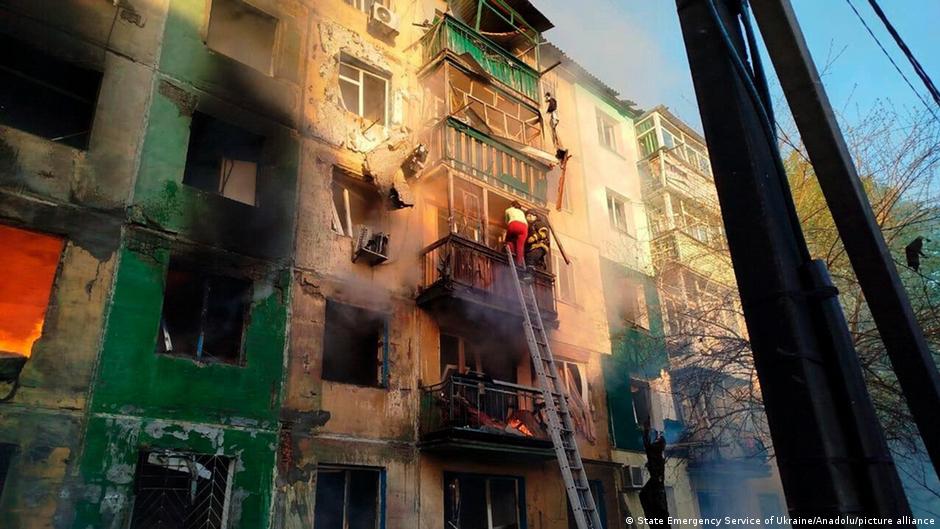
On June 10, Russian unmanned aerial vehicles (UAVs) targeted Pavlohrad, a city in Ukraine’s Dnipropetrovsk region, inflicting damage on both industrial and residential infrastructure. A multi-storey residential building suffered significant structural harm, resulting in injuries to 12 civilians, including a 75-year-old woman in critical condition.
Context and Economic Implications of Repeated Attacks
The attack on Pavlohrad is part of a series of drone strikes in the region, underscoring the intensification of Russia’s military tactics targeting not only military but also civilian infrastructure. In the Kryvyi Rih district, two men were wounded, and damage was recorded to transportation assets and other critical infrastructure. Meanwhile, in Synelnykove district, a private residence was completely destroyed, although no casualties have been reported.
These incidents signal a growing strain on Ukraine’s regional economies, particularly in industrial hubs like Dnipropetrovsk. The damage to industrial enterprises disrupts production chains and threatens employment stability. Simultaneously, harm to residential buildings exacerbates the humanitarian crisis, forcing reallocations of public resources toward emergency response and reconstruction, thereby diverting funds from economic development.
"The targeting of civilian residential areas and infrastructure not only causes immediate human suffering but also has ripple effects that undermine economic resilience and regional stability," noted economic analysts monitoring the conflict.
Historically, wartime damage to industrial centers has had prolonged consequences on regional economies, often leading to decreased productivity and long-term unemployment. The current drone strikes, integrating precision technology, amplify the destructive potential while complicating defense measures. Ukraine faces the dual challenge of safeguarding its population and critical infrastructure amid evolving military tactics.
As these attacks continue, the structural economic consequences are becoming increasingly apparent. The need for reconstruction, healthcare for the injured, and humanitarian aid increases public expenditures, potentially inflating deficits. At the same time, uncertainty deters investment and prolongs economic recovery, impacting both local and national economic trajectories.
Comprehensive strategies to mitigate these effects require international support, targeted economic assistance, and enhanced civil defense mechanisms. The resilience of Ukraine’s economy hinges on balancing immediate crisis management with long-term economic planning to rebuild and modernize infrastructure under wartime conditions.