Russian Drone Strikes Hit Ukraine’s Zaporizhzhia and Odesa Regions
At least three civilians were killed and four injured as attacks on settlements and port infrastructure underscored the war’s widening economic costs.
Russian attack drones struck Ukraine’s Zaporizhzhia and Odesa regions overnight on Sunday, September 27, killing at least three civilians and injuring four others, according to preliminary information from Ukrainian local authorities. The strikes hit both residential areas and infrastructure linked to civilian and port activity, illustrating how the war continues to impose human losses while disrupting the economic geography of southern Ukraine.
In Zaporizhzhia region, acting head of the regional military administration Mykhailo Semykin said Russian forces struck the settlement of Kamyshevakha and the village of Novotavriiske. According to preliminary data cited by the authorities, three civilians were killed and four more were wounded. The reported targets included a vehicle moving through Novotavriiske and homes in Kamyshevakha.
Russian forces attacked a car that was driving through Novotavriiske; after the strike, the vehicle caught fire, and a man and a woman died at the scene, according to local officials.
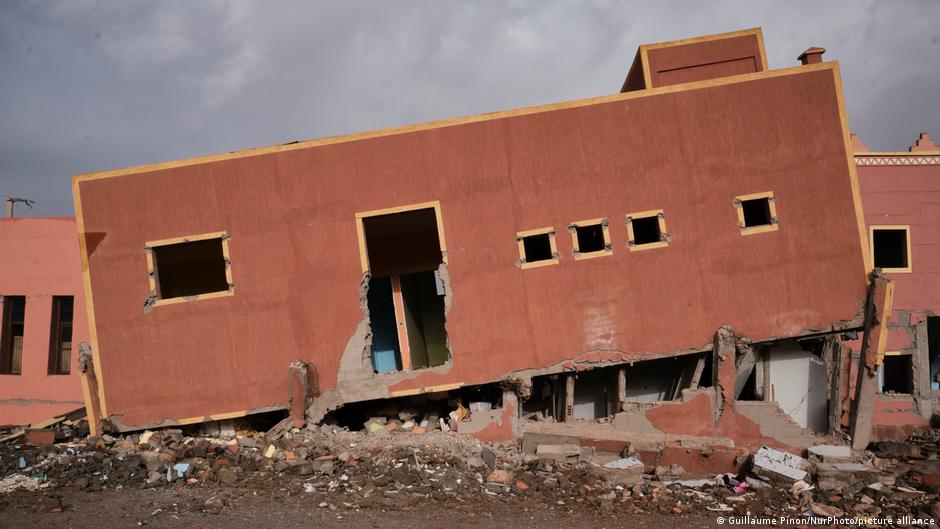
Authorities said one house was destroyed in Kamyshevakha and several neighboring homes were damaged. The casualty figures remain preliminary, but the pattern of destruction described by regional officials points to the vulnerability of smaller communities near active or exposed areas of Ukraine’s south and southeast, where civilian transport, housing, and local services are repeatedly drawn into the radius of military strikes.
Pressure on the Southern Economic Corridor
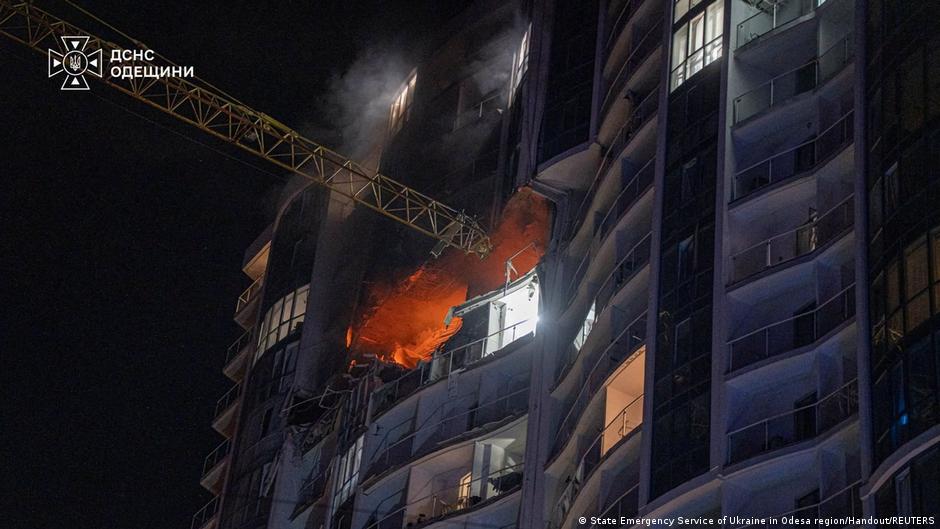
The same night, Russia also struck port and civilian infrastructure in the city of Kiliia in Odesa region, according to the Izmail district administration. Preliminary information indicated that no one was injured in that attack. A fire that broke out at the strike site was extinguished by emergency workers.
Kiliia’s location in Odesa region gives the strike a broader economic significance beyond the immediate damage. Since the full-scale invasion began, southern Ukraine has been central to the country’s ability to move agricultural commodities, sustain export revenues, and maintain links with global markets. Attacks on port and civilian infrastructure do not only affect the physical sites hit; they can also raise insurance costs, complicate logistics planning, delay shipments, and force businesses to hold larger reserves against disruption.
For an economy under wartime strain, those second-order effects matter. Ukraine’s fiscal capacity, trade balance, and employment base are all tied in part to the continued functioning of transport arteries in the south. Even when a strike causes no casualties, damage to port-related infrastructure can ripple through supply chains, municipal budgets, and private-sector confidence. Emergency repairs, rerouting, and security measures absorb resources that might otherwise go toward reconstruction, investment, or basic public services.
The reported attack on a civilian car in Novotavriiske also highlights another structural cost: the erosion of ordinary mobility. In wartime regions, every journey can become an economic decision. Farmers, repair crews, shop owners, medical workers, and local officials depend on roads to keep communities functioning. When vehicles themselves become targets or are caught in strikes, local economies lose more than property; they lose predictability, labor time, and the social trust required for daily exchange.
Historical Pattern of Infrastructure Warfare
The strikes fit a wider historical pattern in which transport nodes, ports, housing, and energy-linked assets become central pressure points in prolonged wars. In Ukraine, that dynamic has been visible across repeated attacks on cities, grain logistics, power systems, and municipal infrastructure. The immediate intent and tactical circumstances may vary from strike to strike, but the cumulative effect is economic attrition: higher costs, lower certainty, and a narrowing margin for recovery.
Zaporizhzhia and Odesa occupy different places in this wartime map. Zaporizhzhia region has faced persistent insecurity linked to its position near the front and its industrial importance. Odesa region, by contrast, is central to maritime and river-linked trade routes. When both are hit in the same overnight wave, the economic message is one of breadth. Residential settlements, road movement, port infrastructure, and emergency services are all pulled into the same cycle of damage and repair.
The human toll remains the central fact of the latest attacks. At least three people were reported dead in Zaporizhzhia region, including a man and a woman killed when the vehicle they were traveling in was hit and caught fire. Four others were reported injured. In Kiliia, officials said there were no casualties, and emergency services put out the fire caused by the strike.
For policymakers and investors watching Ukraine’s wartime economy, the episode reinforces a difficult reality: recovery and destruction are occurring simultaneously. Ports may reopen, routes may adjust, and homes may be repaired, but each new strike adds to a balance sheet that includes lives lost, capital destroyed, risk repriced, and public resources diverted toward immediate response. The economic consequences are therefore not confined to the sites of impact. They accumulate across households, firms, insurers, local administrations, and national budgets.
As of the preliminary reports from regional and district authorities, the overnight drone attacks left Zaporizhzhia region facing deaths, injuries, and damaged homes, while Odesa region dealt with a strike on port and civilian infrastructure in Kiliia without reported casualties. Together, the incidents show how Russia’s drone campaign continues to combine direct civilian harm with pressure on the infrastructure that sustains Ukraine’s economy under war conditions.