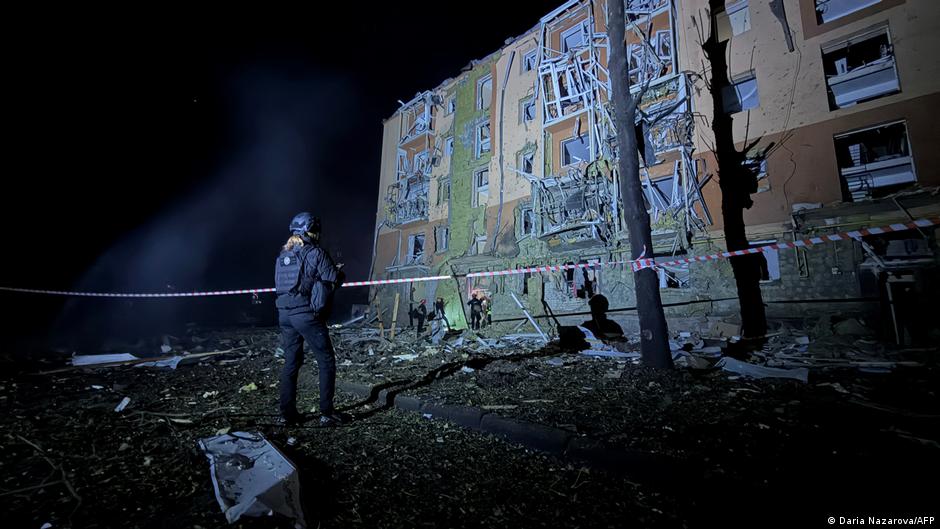
Russian Drone Strikes on Chernihiv’s Energy Infrastructure Deepen Regional Economic Strain
Recent drone attacks on Chernihiv’s critical infrastructure have caused widespread power outages, revealing persistent vulnerabilities in Ukraine’s energy sector amid ongoing conflict.
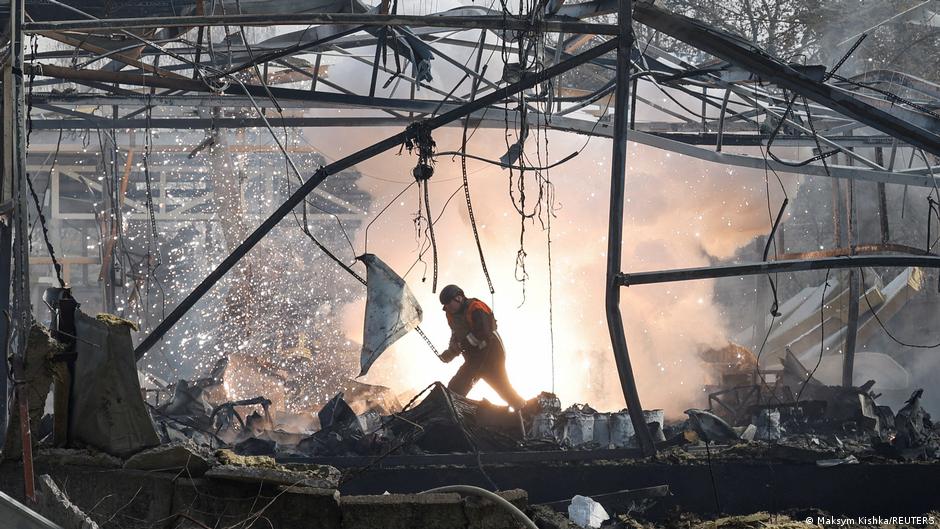
On the night of April 17, Russian forces launched a concentrated drone assault targeting Chernihiv’s critical infrastructure, igniting fires and leaving approximately 6,000 electricity consumers in the city without power. The attacks represent the latest episode in a sustained campaign against Ukraine's energy facilities, which has repeatedly disrupted civilian life and economic activity in the region.
Repeated Strikes Undermine Regional Stability and Economic Recovery
The Chernihiv City Military Administration confirmed the attacks, noting that information on casualties remains preliminary. According to local authorities, one industrial site was hit directly, resulting in a blaze, while multiple other infrastructure targets were also damaged. The utility company Chernihivoblenergo reported the outage in a Facebook post, emphasizing that repair crews will commence restoration efforts only when security conditions permit.
This incident echoes earlier strikes that have systematically targeted the energy grid in Chernihiv and surrounding districts. On April 6, a similar Russian drone attack on an energy facility in the Nizhyn district caused power loss for around 340,000 customers across Chernihiv and Pryluky cities and districts. Just weeks prior, on March 21, the entire city of Chernihiv experienced a blackout following assaults on the region’s energy infrastructure, forcing critical facilities to switch to alternative power sources.
These repeated disruptions have cascading effects beyond immediate power loss. Rail operations under Ukrzaliznytsia faced delays due to the absence of electrical supply, highlighting how infrastructure interdependencies intensify the economic fallout. The October 2025 drone strikes, which induced a full blackout in Chernihiv, similarly underscored the vulnerability of Ukraine’s energy network to asymmetric warfare tactics.
“Repeated drone strikes on energy assets are not merely tactical military maneuvers but strategic efforts to erode economic resilience and civilian morale,” noted analysts monitoring the conflict’s infrastructural impacts.
Over the longer term, these persistent attacks risk undermining investor confidence and complicating reconstruction efforts in liberated areas. The destruction of energy infrastructure hampers industrial output, disrupts essential services, and increases operational costs for businesses and public utilities alike.
Historical Parallels and Structural Economic Consequences
Historically, targeting energy infrastructure has been a classic wartime strategy designed to weaken the enemy’s logistical and economic capabilities. The current campaign against Ukraine’s grid infrastructure resurrects echoes from conflicts in the 20th century, such as the strategic bombings in World War II. However, the precision and persistence of drone strikes represent a modern evolution with amplified economic and humanitarian stakes.
Ukraine’s energy grid, already strained by decades of underinvestment and systemic inefficiencies, faces an existential threat from repeated physical damage and attendant operational disruptions. The shift to alternative energy sources during blackouts, while necessary, is a costly stopgap that cannot replace a fully functioning grid. Moreover, the frequency of attacks imposes cumulative damage that will require significant capital injection and time to repair, slowing economic recovery in a country simultaneously grappling with military conflict and structural reforms.
The targeting of civilian infrastructure such as energy utilities also raises broader questions regarding the resilience of critical infrastructure in contested zones and the role of international support for rebuilding efforts. The economic consequences extend beyond immediate repair costs, affecting labor productivity, supply chains, and social welfare.
As the conflict endures, the interplay between military tactics and economic infrastructure continues to shape the prospects for regional stability and long-term growth. Observers emphasize the importance of strategic investments in grid modernization, decentralized energy systems, and enhanced civil defense measures to mitigate vulnerabilities exposed by these attacks.
In sum, the recent drone strikes on Chernihiv’s energy infrastructure exemplify a deliberate strategy to disrupt Ukraine’s socio-economic fabric and highlight the urgent need for resilient infrastructure solutions capable of withstanding modern warfare’s multifaceted challenges.