Russian-Linked Hacker Group Cl0p Claims Data Breach of Nearly 50 Global Corporations
Cybercriminal group Cl0p reportedly exploited software vulnerabilities to steal data from major multinational firms, raising concerns over systemic cybersecurity risks.
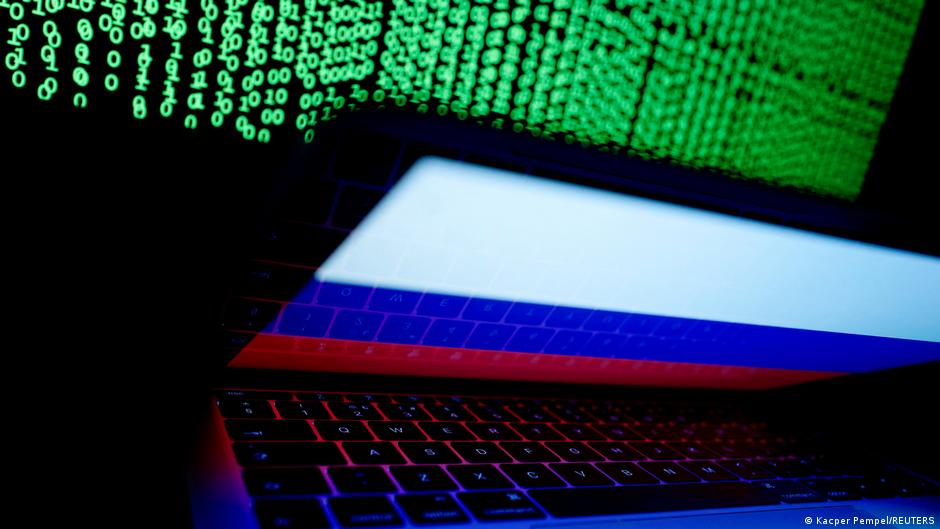
The hacker group Cl0p, widely reported to have ties to Russia, has declared responsibility for infiltrating nearly 50 major global companies, including Philips, Shell, Fiserv, and General Electric. This development signals a potentially significant escalation in cyber threats targeting global corporate infrastructure.
Scope and Implications of the Cl0p Attacks
Cl0p operates by exploiting known software vulnerabilities to launch simultaneous attacks across multiple targets. The group’s recent claims were reported on August 14 by various news agencies, identifying affected companies spanning across Europe and North America.
Philips acknowledged detecting an attempt to breach a corporate server containing internal data but emphasized that customer-facing systems remained unaffected. Similarly, Fiserv, a fintech giant, stated that a thorough investigation has found no evidence of compromise affecting clients’ data, financial transactions, or operational infrastructure.
"We identified and contained the cyber threat on specific corporate servers without impacting client environments," said a Philips spokesperson.
Independent verification of Cl0p's claims regarding the volume and nature of stolen data remains elusive, as the hackers have not responded to requests for comment and investigative agencies have yet to confirm the extent of the breach.
Broader Context: Russian Cyber Operations and Economic Security
The Cl0p incident fits into a broader pattern of cyberattacks attributed to groups linked to Russia, highlighting persistent vulnerabilities in global digital infrastructure. Earlier in 2023, intelligence from the Netherlands revealed attempts by Russian cybercriminals to infiltrate encrypted messaging services such as Signal and WhatsApp, potentially compromising sensitive communications of officials and journalists.
Further attacks attributed to Russian-affiliated groups like Fancy Bear have targeted government agencies in various countries, involving router breaches and unauthorized access to sensitive data. In July, the European Union and the United Kingdom imposed sanctions against Russian FSB-linked hackers, signaling heightened geopolitical tensions and the recognition of cybercrime as a vector of state influence.
Economic and Structural Consequences
The increasing frequency of such large-scale cyber intrusions has critical implications for the global economy. Corporations face not only direct financial losses but also reputational damage, regulatory scrutiny, and disruptions to supply chains. The sophistication and scale of attacks like those orchestrated by Cl0p emphasize the need for robust cyber defense frameworks and international cooperation to mitigate systemic risks.
Moreover, cyberattacks associated with state-linked actors complicate geopolitical relationships and raise concerns about the weaponization of digital tools in economic competition. The targeting of key players in energy, finance, manufacturing, and technology sectors underscores a strategic dimension beyond mere criminal profit.
As cyber threats evolve, companies and governments must adapt by investing in cybersecurity infrastructure, enhancing threat intelligence sharing, and developing comprehensive policies to ensure resilience against such disruptive events.