Ukraine anti-corruption raids expose economic risks around scam call centers
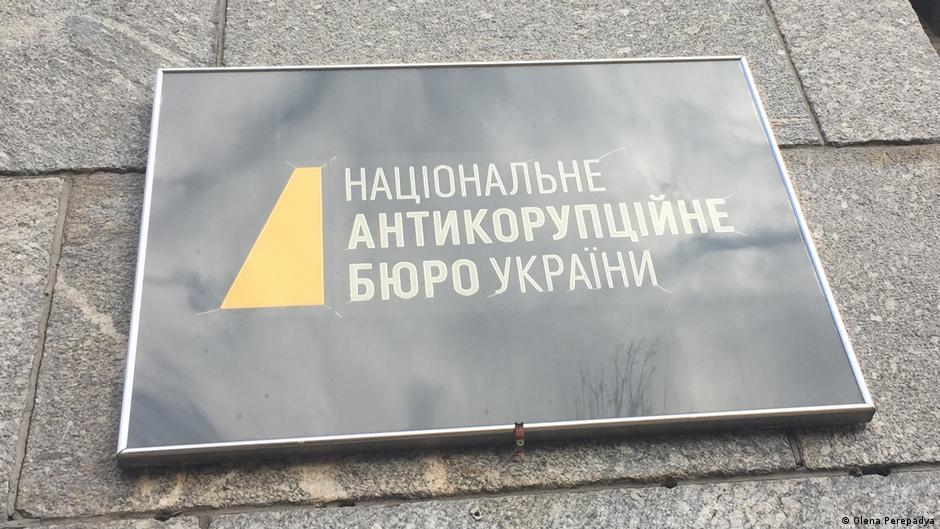
Ukraine’s anti-corruption raids point to a wider wartime economy of scam call centers, asset laundering and alleged official protection.

Ukraine’s anti-corruption raids point to a wider wartime economy of scam call centers, asset laundering and alleged official protection.

The Cl0p hacker group linked to Russia claims to have breached nearly 50 multinational corporations, highlighting growing cybersecurity risks with broad economic consequences.

The US imposes tariffs up to 100% on imported drones over 25 kg with thermal imaging, aiming to reduce reliance on foreign suppliers amid national security concerns.

International browsers block Russian bank websites after foreign TLS/SSL certificate revocations, signaling deeper geopolitical and economic digital decoupling.
Uzbekistan advances its digital transformation with plans for a national navigation system, unified public administration platform, and expanded IT sector incentives.

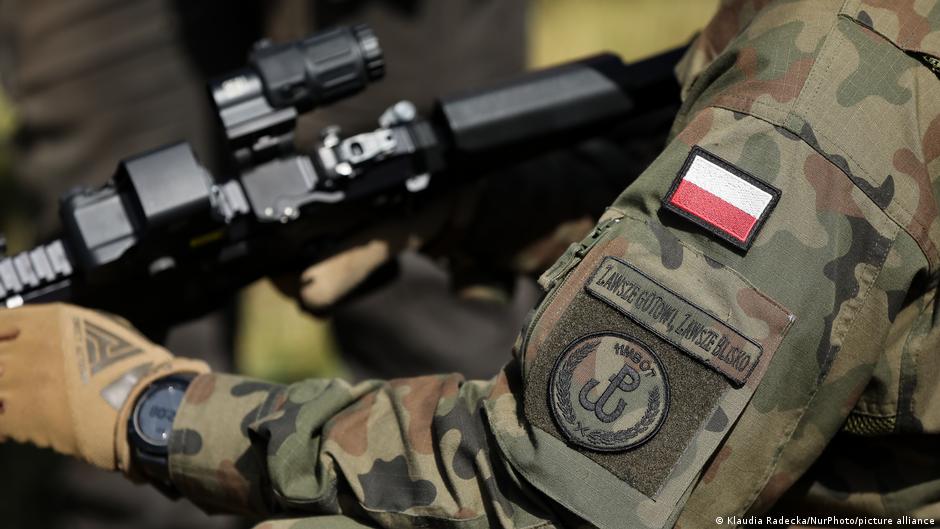
Poland signs a €44 billion EU loan agreement under SAFE to modernize its defense forces despite presidential veto, raising important questions about future fiscal impacts.

Germany attributes recent phishing attacks via Signal messenger targeting politicians and military personnel to Russia, raising concerns about cybersecurity and espionage.

German Bundestag’s Julia Klöckner’s Signal account was hacked amid ongoing phishing attacks targeting political leaders, revealing systemic vulnerabilities in secure digital communications.