Russian Missile Strike Damages Kyiv’s Chernobyl Museum and Cultural Institutions
Russian attack destroys 40% of Chernobyl Museum exhibits and damages multiple cultural landmarks in Kyiv, raising concerns about heritage loss amid war.
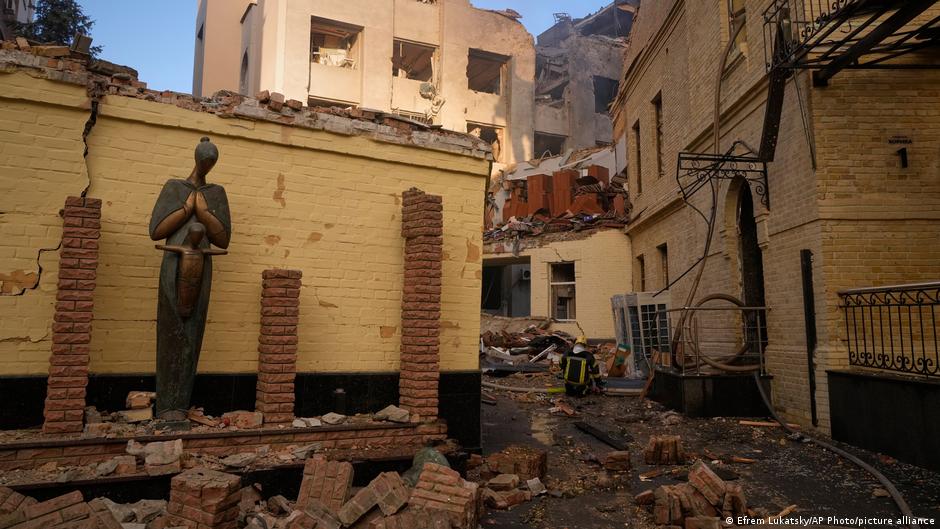
On the night of May 24, 2024, a large-scale missile and drone attack by Russian forces struck Kyiv, inflicting significant damage on the National Museum "Chernobyl" and numerous other cultural institutions. Approximately 40% of the museum’s exhibits were destroyed, forcing its temporary closure and marking a major blow to Ukraine’s efforts to preserve the memory of one of the most catastrophic nuclear disasters in history.
Heritage Under Fire: The Impact on Kyiv’s Cultural Sector
The National Museum "Chernobyl," which reopened only weeks earlier after extensive renovations, suffered severe structural damage and internal fires, leading to the loss of a substantial portion of its collection. The Ukrainian Ministry of Internal Affairs confirmed that around 40% of exhibits were irretrievably lost, though emergency responders and museum staff were able to salvage key items including artworks by Maria Prymachenko and the Ukrainian flag raised at the Chernobyl site after its liberation in 2022.
“Rescuers and museum workers immediately began evacuating exhibits, managing to preserve key artifacts despite the destruction.”
Moreover, the shelling extended beyond the museum, targeting various cultural landmarks across Kyiv. The Ukrainian Minister of Culture, Tetyana Berezhna, described the attack as the most extensive assault on cultural institutions since the onset of the war. Among the damaged sites were the National Art Museum, National Philharmonic, National Music Academy, Yaroslav Mudryi Library, and the Kyiv Opera.
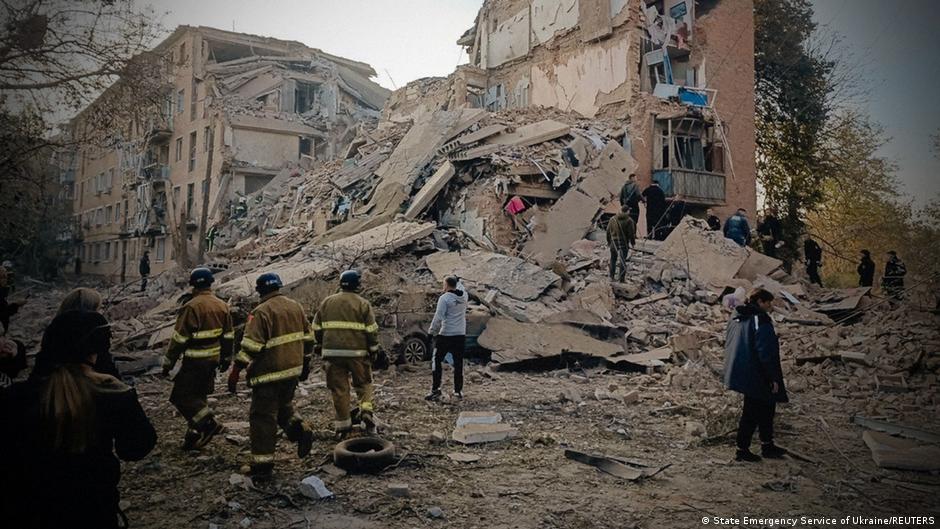
Other affected cultural spaces included the Hinaus cultural center, Ukrainian House, Kyiv Small Opera, and the historic Podil Church of the Nativity of Christ. Architecturally significant structures such as the Contract House and Postal Station also sustained damage. The attack additionally targeted media offices, including those of German broadcasters Deutsche Welle and ARD, as well as residential buildings and commercial centers. Casualty reports indicate at least four deaths and over 80 injuries across Kyiv and its region.
Strategic and Economic Implications of Targeting Cultural Assets
The assault involved a massive barrage: 90 missiles and 600 drones launched primarily against Kyiv and the city of Bila Tserkva. Notably, Russia deployed the "Oreshnik" medium-range ballistic missile for the third time since the war's outbreak, striking a military-related target in Bila Tserkva, damaging a garage cooperative and other facilities.
While the Russian Ministry of Defense claims the strikes targeted military command centers, airbases, and defense industry enterprises, the collateral damage to civilian cultural infrastructure has sparked widespread condemnation. This systematic destruction of cultural heritage has significant long-term consequences for Ukraine's economic recovery and identity preservation.
Beyond immediate physical losses, the targeting of key cultural institutions disrupts tourism potential and undermines the social fabric critical for post-war reconstruction. As cultural diplomacy has been a vital tool for Ukraine in garnering international support, these attacks deepen the challenges of maintaining global engagement and economic resilience.
President Volodymyr Zelensky condemned the missile strikes as an assault on civilian life and infrastructure, emphasizing the senseless targeting of residential buildings, schools, and markets amid claims of military objectives.
Historical Parallels and the Role of Cultural Preservation in Conflict
The damage to the Chernobyl Museum echoes historical precedents where cultural sites have been caught in the crossfire of geopolitical conflicts, from the destruction of European art during World War II to more recent losses in Middle Eastern heritage centers. Such acts not only erase physical artifacts but also attempt to undermine national identity and morale.
Ukraine’s experience highlights the critical need for international frameworks to protect cultural property during armed conflict and for strategic investment in restoration efforts as part of broader economic recovery programs. Maintaining and rebuilding cultural infrastructure remains vital for national cohesion and economic revitalization post-conflict.
As hostilities continue, the preservation of Ukraine’s cultural heritage stands as a testament to resilience and a crucial component of its long-term economic and social strategy.