Slovakia to Continue Blocking EU Sanctions on Russia Until Oil Pipeline Resumes
Slovakia ties approval of EU’s 20th sanctions package on Russia to restoration of Druzhba pipeline oil supplies via Ukraine.
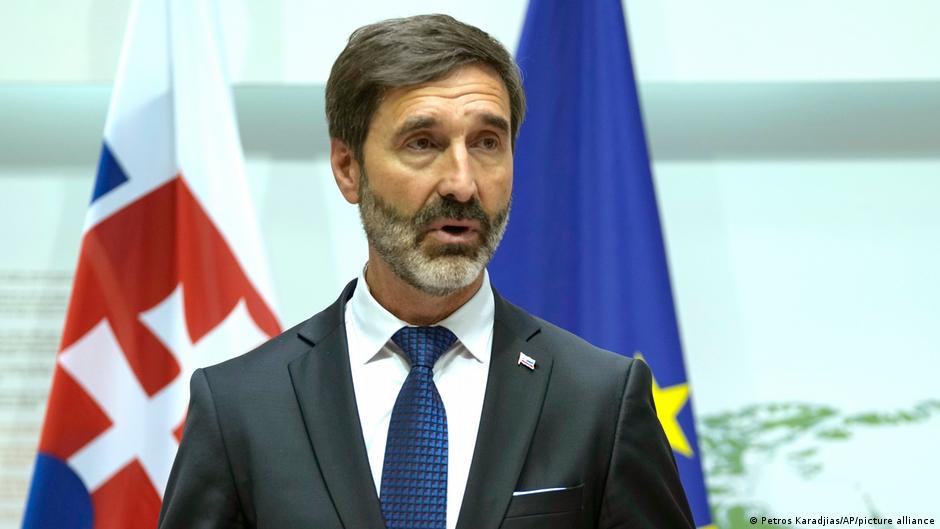
Slovakia has announced it will block the adoption of the European Union’s 20th sanctions package against Russia until it resumes receiving Russian oil through the Druzhba pipeline, which runs via Ukraine. This position was articulated by Slovakia’s Foreign Minister Juraj Blanár during a parliamentary session on April 16.
Energy Security and Political Leverage in EU-Russia Relations
Minister Blanár stated explicitly that "if the Druzhba pipeline does not resume operation and the vote on the 20th sanctions package is on the agenda, we will not vote in favor." Bratislava has reportedly found itself without alternative means to compel Ukrainian President Volodymyr Zelenskyy and the European Commission to coordinate reopening the pipeline. This stance underscores how intertwined energy supply concerns are with broader geopolitical sanctions strategies within the EU.
"Slovakia has no other tools to compel Ukraine and the European Commission to reopen the Druzhba pipeline," said Foreign Minister Juraj Blanár.
Despite blocking sanctions linked to the pipeline, Blanár affirmed Slovakia’s support for a separate €90 billion EU credit package to Ukraine, indicating a nuanced approach balancing economic interests and political priorities.
Similarly, Hungary, under the leadership of the victorious "Tisa" party and politician Péter Magyar, has pledged not to block the multi-billion euro EU loan to Ukraine, although Budapest does not plan to participate directly in its funding.
Earlier in March, Slovak Prime Minister Robert Fico threatened to "inherit Hungary's mantle" of blocking the EU’s Ukraine credit if Viktor Orbán’s ruling party lost power in Hungary. This demonstrates how Central European states with significant reliance on Russian energy supplies are leveraging their political weight within the EU to influence sanctions policy.
Background: Druzhba Pipeline Disruptions and Regional Energy Implications
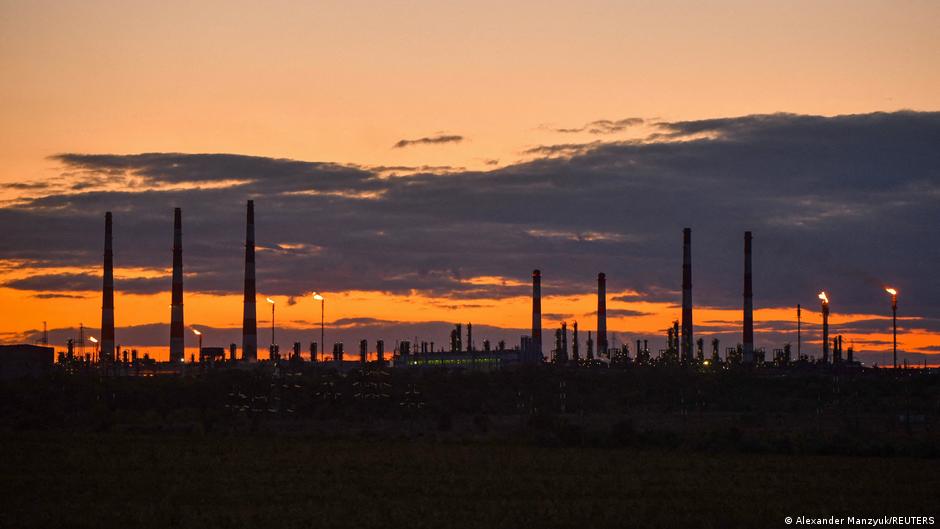
Russian oil deliveries to Hungary and Slovakia through the Druzhba pipeline ceased at the end of January, following damage to the pipeline on Ukrainian territory reportedly caused by a Russian drone strike. In mid-February, Slovakia declared a "state of emergency" in its oil sector due to the halt in supply.
Both Hungary and Slovakia accused Kyiv of delaying repairs and using the damage as a pretext to stop oil transit. This dispute has been a critical factor in Hungary’s Prime Minister Orbán vetoing the 20th EU sanctions package against Russia and blocking the EU’s credit allocation to Ukraine.
In March, Kyiv agreed to accept EU assistance to repair the pipeline. On April 14, President Zelenskyy announced that Druzhba could become operational by the end of the month, signaling a possible resolution to the standoff.
Economic and Structural Consequences for the EU
The Slovak and Hungarian blocking of sanctions highlights the persistent structural tensions within the EU when it comes to balancing energy security, economic interests, and geopolitical strategy. Both countries remain heavily dependent on Russian oil, and the pipeline dispute underscores the vulnerability of Europe’s energy infrastructure to both physical damage and political leverage.
The incident echoes historical precedents where energy transit routes have become bargaining chips in broader geopolitical conflicts. The EU’s internal divisions risk undermining the unity and effectiveness of its sanctions regime against Russia, with possible long-term ramifications for the bloc’s cohesion and credibility.
Moreover, the situation points to the urgent need for the EU to diversify energy sources and routes to reduce member states’ exposure to such vulnerabilities. Failure to address these structural weaknesses could prolong reliance on Russian energy supplies and constrain the EU’s ability to respond decisively to geopolitical crises.
In conclusion, Slovakia’s continued blocking of the sanctions package reflects not only immediate energy supply concerns but also deeper systemic challenges for the EU’s economic and political integration in the face of external shocks and strategic dependencies.