SpaceX Files for Potentially Largest IPO Ever, Raising $75 Billion Amidst Heavy Investment
Elon Musk’s SpaceX reveals robust revenue growth and operational losses as it prepares for historic Nasdaq IPO.
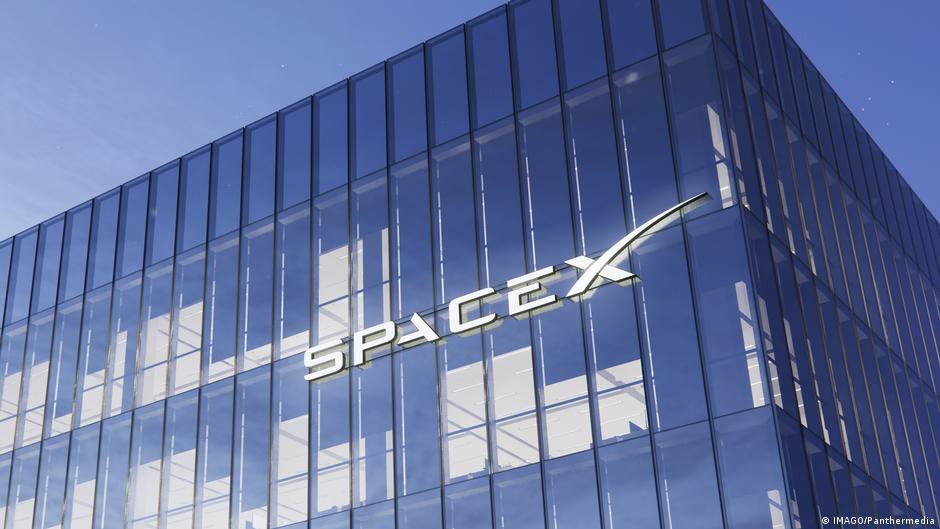
On May 20, 2024, SpaceX, the aerospace company founded by Elon Musk, submitted a filing with the U.S. Securities and Exchange Commission (SEC) to launch an initial public offering (IPO) that could raise up to $75 billion. If successful, this would represent the largest IPO in history, highlighting the growing significance of private space enterprises in the global economy.
Financial Overview and Strategic Investments
In its first detailed financial disclosure since the company’s inception in 2002, SpaceX reported revenues of $18.7 billion for 2025. Despite this impressive revenue figure, the company recorded an operating loss of $2.6 billion. This loss is largely attributed to heavy investments in next-generation rocket development and artificial intelligence technologies, underscoring SpaceX’s commitment to innovation at the expense of short-term profitability.
“SpaceX’s financials reveal a classic growth-stage profile where significant capital is funneled into pioneering technologies that could redefine aerospace and communications.”
Notably, the company has stated it does not intend to pay dividends to shareholders in the near future, signaling a focus on reinvestment and expansion rather than immediate returns.
Historical and Structural Economic Implications
SpaceX’s anticipated $75 billion IPO dwarfs many previous record-setting offerings, reflecting the maturation of the aerospace sector and increasing investor appetite for space-based ventures. This move also illustrates a broader economic trend where cutting-edge technology firms in previously government-dominated industries are leveraging public capital markets to fund ambitious projects.
Founded in 2002, SpaceX revolutionized the aerospace industry with innovations such as reusable rockets and the Starlink satellite network, which currently comprises approximately 10,000 satellites providing global broadband internet access. These technological advancements have positioned SpaceX as both a commercial and strategic player in space exploration and telecommunications.
From a structural economic perspective, SpaceX’s IPO represents the ongoing privatization and commercialization of space infrastructure, a domain historically controlled by nation-states. This shift facilitates a new ecosystem of space-based economic activities, potentially catalyzing growth in downstream industries such as satellite services, space tourism, and interplanetary colonization.
Elon Musk’s vision extends beyond Earth’s orbit, with plans for establishing a permanent human colony on Mars. Realizing such ambitions will require sustained capital inflows and technological breakthroughs, which this IPO aims to secure.
As SpaceX transitions from a privately held venture to a publicly traded company, investors and analysts will closely monitor its ability to balance heavy R&D expenditures with eventual profitability, while navigating regulatory and geopolitical complexities inherent in aerospace endeavors.