Tensions Surface in London Amid Ultra-Right and Pro-Palestinian Marches
Simultaneous mass protests highlight deep divisions over migration and Middle East conflict in the UK capital.
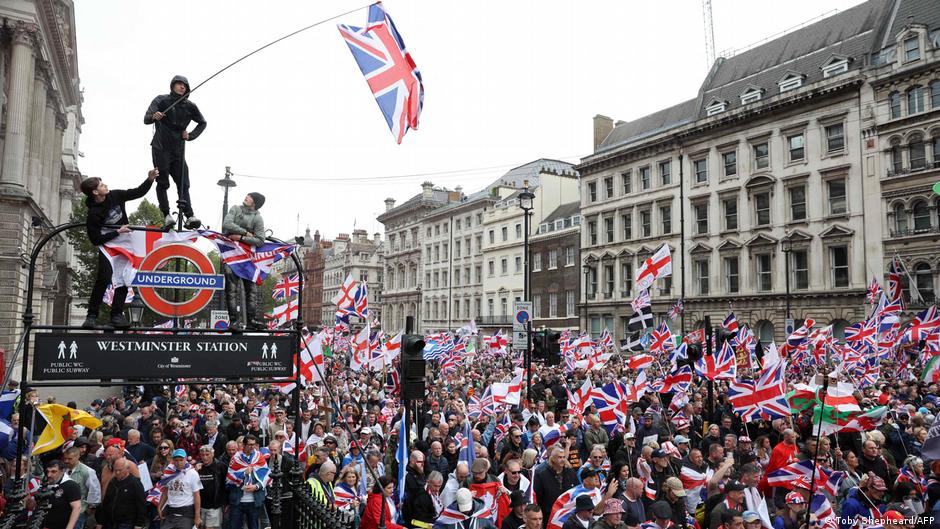
On May 16, London witnessed two large-scale demonstrations that vividly exposed the city’s ongoing social and political fractures. Tens of thousands of participants gathered to express opposing views—one rallying against migration and another commemorating the Palestinian Nakba, the mass displacement of Palestinians in 1948 following the creation of Israel.
Clashing Narratives and Crowds
The ultra-right march, organized under the banner "Unite the Kingdom" by activist Stephen Yaxley-Lennon, also known as Tommy Robinson, voiced strong opposition to the scale of asylum seekers and immigration. Robinson’s previous anti-immigration demonstration in September 2025 drew around 150,000 attendees, underscoring his continued influence in nationalist circles.
Concurrently, the annual Nakba remembrance march drew those seeking to highlight the historical trauma of approximately 700,000 Palestinians displaced in 1948. This event also included criticism of international and domestic political figures, including former U.S. President Donald Trump and British right-wing politician Nigel Farage, whose party recently gained local election victories.
While organizers from both camps claimed vastly different attendance figures—with the ultra-right suggesting "millions" and Palestinian supporters citing 250,000—Reuters estimated total numbers on the streets to be several tens of thousands. The demonstrations coincided with the FA Cup final, an unrelated event that nonetheless brought thousands of football fans into the city.
"Both demonstrations proceeded without significant incidents, despite the starkly opposed messages and large crowds," police reported.
Security and Social Implications
Approximately 4,000 police officers were deployed across three events, resulting in 43 arrests. Authorities had warned against antisemitic slogans, aiming to prevent hate speech and violence. Nonetheless, Reuters reported some attendees shouted "Death to the IDF," reflecting the heightened emotions tied to the Israeli-Palestinian conflict.
The dual protests in London highlight the persistent social cleavage over immigration and foreign policy that shapes the UK’s political landscape. The ultra-right’s mobilization points to ongoing anxieties about national identity, immigration control, and government policy under Prime Minister Keir Starmer, whom critics accused of fostering division. Conversely, the Palestinian solidarity march underscores the resonance of international issues within local communities, reflecting Britain’s diverse demographic composition.
Historically, London has served as a focal point for both nationalist and diasporic expressions, with street demonstrations often echoing broader geopolitical tensions. The convergence of these events on the same day illustrates the increasingly interconnected nature of domestic and international politics in urban centers.
These developments suggest that migration and Middle East conflicts will remain salient issues in the UK’s public discourse, influencing electoral dynamics, social cohesion, and security policies going forward.