Trump Orders Probe of Democrats as Election Result Reshapes Washington
The president accepted the midterm outcome but accused the new congressional majority of coercion, raising risks for governance and economic policy.
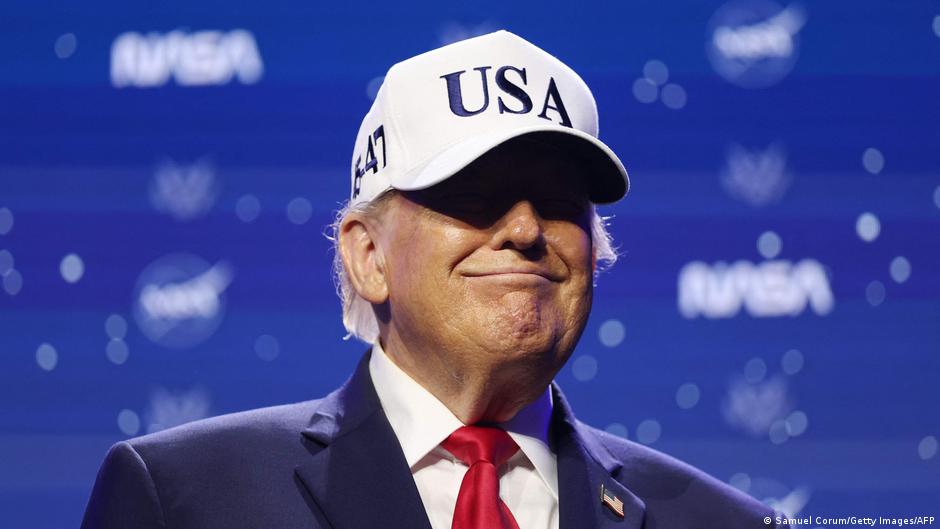
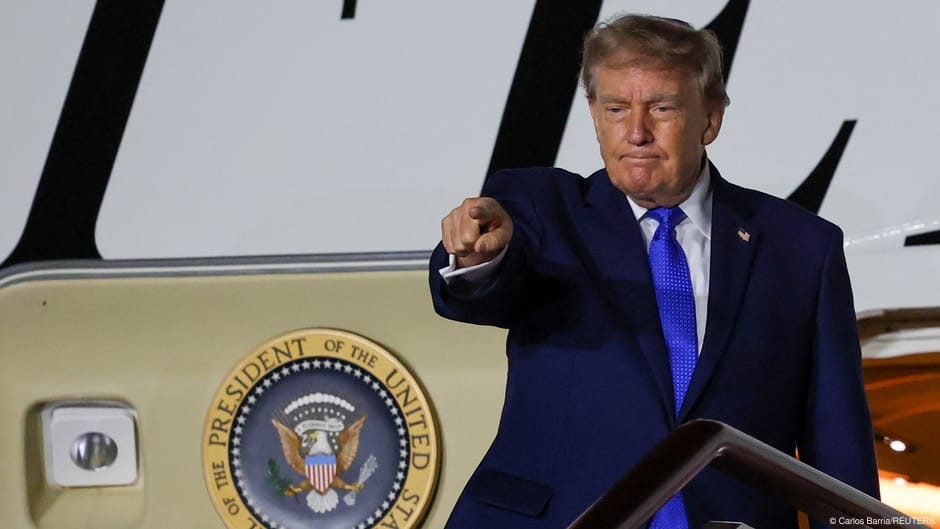
US President Donald Trump has ordered the Justice Department to investigate Democratic Party members, accusing them of using threats of impeachment and other punishment to pressure the attorney general and other public officials after winning the congressional midterm elections.
Trump announced the directive on Saturday, November 7, through his Truth Social platform. He alleged that Democrats had no legitimate basis for the measures they were threatening and characterized their conduct as coercion directed at senior officials.
“This is blackmail at the highest level, and they must be punished,” Trump said.
The order opens a new front in the confrontation between the White House and a Congress in which Democrats secured majorities in both the House of Representatives and the Senate. Although Trump publicly recognized the election result and said he was willing to work with Democrats, the proposed investigation suggests that divided government could quickly become dominated by institutional conflict.
Oversight battle carries economic consequences
Congressional investigations and impeachment threats are political and constitutional instruments, but their economic effects can extend well beyond Washington. A sustained confrontation may consume legislative time, complicate budget negotiations and reduce the administration’s ability to reach agreements on taxation, spending and other economic priorities.
That does not mean political conflict automatically produces an economic crisis. The United States has repeatedly operated under divided government, and markets and businesses often adapt to legislative stalemate. Yet the present dispute involves more than ordinary bargaining over policy. Trump is asking the executive branch’s principal law-enforcement department to investigate members of the party that will control congressional oversight, while Democrats are preparing inquiries into alleged abuses by officials appointed by the president.
This reciprocal use of investigative authority could deepen uncertainty over the functioning of federal institutions. For companies, investors and households, the practical concern is whether confrontations over subpoenas, impeachment proceedings and executive power begin to disrupt routine fiscal decisions or delay legislation. The structural risk lies in governance capacity: when political resources are redirected toward investigations, fewer remain available for addressing economic policy.
Democrats have said they intend to launch congressional investigations into alleged abuses of power by Trump-appointed officials, including members of the president’s family. Trump, meanwhile, claims Democrats are threatening Republican donors with prison terms because of their political views. He has also accused Michigan Senator Elissa Slotkin of planning to prosecute young Americans for supporting the Republican Party. The source article provides no evidence supporting those allegations.
Republican divisions complicate the White House response
The Republican defeat has also intensified disagreements inside the White House and the wider party. Republican Representative Thomas Massie of Kentucky, a Trump critic, said he wanted to bring the impeachment of Defense Secretary Pete Hegseth to a vote.
Massie’s position is significant because it shows that the administration’s exposure may not be limited to Democratic oversight. Internal Republican dissent could make it harder for the White House to maintain a unified defense of its officials or negotiate with the new congressional majority. In economic terms, fragmented party discipline can make legislative outcomes less predictable even when both sides have incentives to avoid disruption.
Historical periods of divided government have often produced a mixture of confrontation and selective compromise. Investigations may proceed alongside agreements on essential funding or narrowly defined economic measures. Whether that pattern can be repeated will depend on the administration’s willingness to separate institutional disputes from routine governing and on Democrats’ ability to balance oversight with their responsibility for congressional majorities.
Acceptance of the vote does not end uncertainty
Trump’s recognition of the midterm results reduced one immediate source of political risk. Some Democrats had feared that he would challenge the outcome and attempt to overturn it, as he did after losing the 2020 presidential election. His acknowledgment of the result therefore marked an important departure from those concerns.
The president also said he was prepared to cooperate with Democrats after they gained control of both chambers. That commitment could provide a basis for negotiations, particularly where failure to act would impose visible costs on government operations or the broader economy.
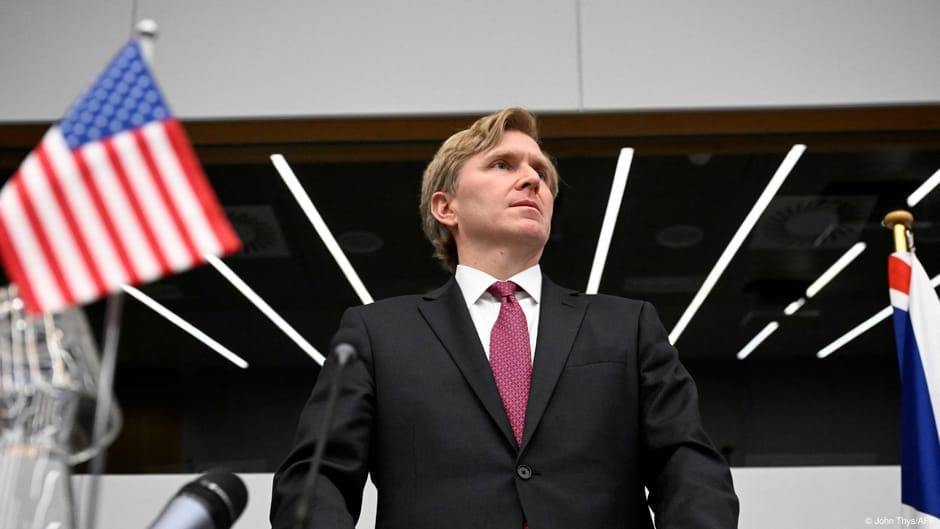
At the same time, Trump appointed Stephen Miller as White House chief of staff on the eve of the dispute. Miller is associated with restrictive immigration policies and a hard-line national-conservative agenda, and the appointment was interpreted as a challenge to Democrats. Immigration policy has direct structural implications for labor supply, population growth and the composition of economic activity, making the choice relevant beyond its immediate political symbolism.
The emerging balance is therefore contradictory. Trump has accepted the voters’ decision and publicly offered cooperation, yet he has paired those gestures with a Justice Department investigation and a senior appointment likely to sharpen ideological conflict. For economic policymakers, the central question is whether this combination produces negotiated coexistence or prolonged institutional escalation.
The consequences will not be measured only by the number of investigations or impeachment resolutions. They will also be visible in the government’s capacity to pass budgets, provide regulatory clarity and make credible long-term policy commitments. With Democrats controlling Congress and the White House preparing for confrontation, political uncertainty is becoming an economic variable in its own right.