Trump Postpones Planned Military Strike on Iran Amid Gulf Mediation Efforts
US President Donald Trump delays Iran attack citing requests from Gulf leaders and ongoing serious negotiations.
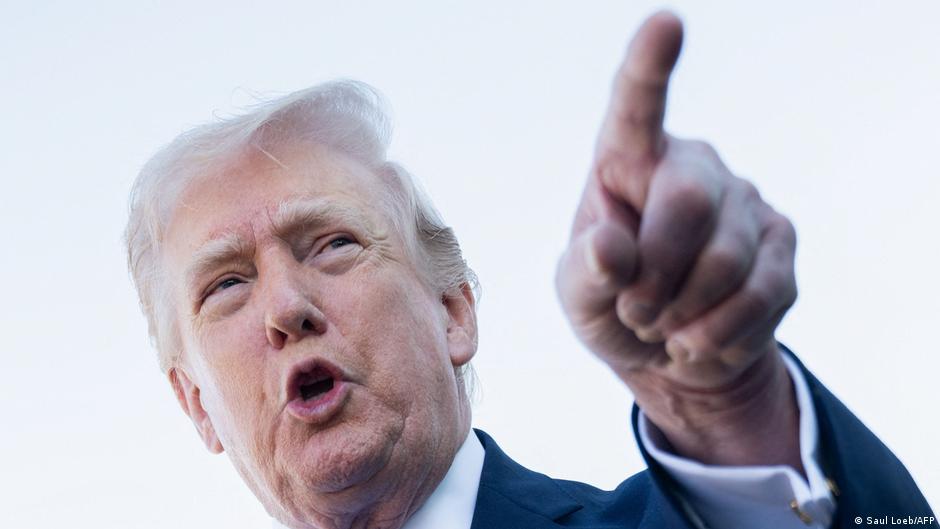
On May 18, 2020, US President Donald Trump announced via social media that he had postponed a planned military strike on the Islamic Republic of Iran, originally scheduled for May 19. According to Trump, the decision came after appeals from key Gulf allies, including the Emir of Qatar, the Crown Prince of Saudi Arabia, and the President of the United Arab Emirates. The president described ongoing negotiations as "serious" and expressed optimism about reaching an agreement that would be acceptable to the United States and the broader Middle East region.
Context and Strategic Implications of the Postponement
Trump revealed that Emir Sheikh Tamim bin Hamad Al Thani of Qatar, Saudi Crown Prince Mohammed bin Salman, and UAE President Sheikh Mohammed bin Zayed Al Nahyan personally requested the US to hold back from military action. The US administration reportedly continues to demand a prohibition on Iran’s nuclear weapons program as a central condition of any potential deal.
"The deal will include a ban on nuclear weapons for Iran," Trump stated, emphasizing US objectives in the negotiations.
Despite the postponement, Trump instructed Defense Secretary Mark Esper, Chairman of the Joint Chiefs of Staff General Mark Milley, and the US Armed Forces to remain ready for a full-scale offensive against Iran if negotiations fail to yield an acceptable resolution. This dual approach highlights the administration’s preference for diplomacy backed by credible military pressure.
Reuters reported that the planned May 19 strike date had not been previously disclosed, illustrating the sensitive and rapidly evolving nature of US-Iran tensions. Meanwhile, Iran’s Foreign Ministry confirmed communications with the US had been conducted indirectly through Pakistan, reflecting the complex diplomatic channels involved.
Negotiation Stalemate and Competing Demands
The Iranian state news agency Fars published a list of five demands reportedly presented by the US for the second round of peace talks. These include no compensation for damages caused by US and Israeli actions since February 28, removal of 400 kg of enriched uranium from Iran, limiting Iran’s nuclear program to a single facility, refusal to unfreeze even 25% of Iran's frozen assets, and linking the end of hostilities directly to negotiation outcomes.
Iranian authorities view these demands as attempts to achieve objectives unattainable through ongoing conflict and argue that even meeting these conditions would not eliminate the threat of US and Israeli aggression. The Iranian-backed Mehr news agency described the negotiations as effectively deadlocked.
Conversely, Iran has stipulated its own conditions for returning to dialogue: cessation of war including in Lebanon, lifting of sanctions, unfreezing of all Iranian assets, compensation for war-related damages, and recognition of Iran’s sovereignty over the Strait of Hormuz. These demands were made public prior to the US proposals, underscoring the reciprocal nature of negotiation stances.
Iranian officials consider their demands the minimum confidence-building measures necessary for meaningful talks. The fragile ceasefire brokered in April with Pakistani mediation has been frequently violated, with the US Navy blockading Iranian ports since mid-April and Iranian drones attacking vessels in the Strait of Hormuz and targets across the Persian Gulf.
Economic and Regional Consequences
The postponement of military action comes amid heightened uncertainties over regional stability and global energy markets. The Strait of Hormuz is a critical chokepoint through which approximately 20% of global petroleum trade passes. Any escalation into open conflict could disrupt oil exports, exacerbate price volatility, and deepen the economic fallout from COVID-19.
From a structural perspective, the US’s insistence on stringent nuclear constraints and harsh economic conditions reflects a broader strategy of strategic containment combined with maximum economic pressure. However, this approach risks further entrenching hostility and undermining potential for a sustainable diplomatic resolution.
The Gulf leaders’ intervention to delay the strike highlights the delicate balancing act regional powers face—seeking to avoid direct conflict while managing their own strategic interests amid great power rivalry.
In sum, the current impasse exemplifies the complex interplay between military brinkmanship, diplomacy, and economic sanctions shaping US-Iran relations and the broader Middle East geopolitical landscape. The outcome of these negotiations will have significant implications not only for regional security but also for global economic stability.