Trump, Putin and Xi Set for Nuclear Talks at APEC Summit in Shenzhen
The unprecedented three-way meeting could begin a new arms-control process while exposing divisions over Ukraine and global security.
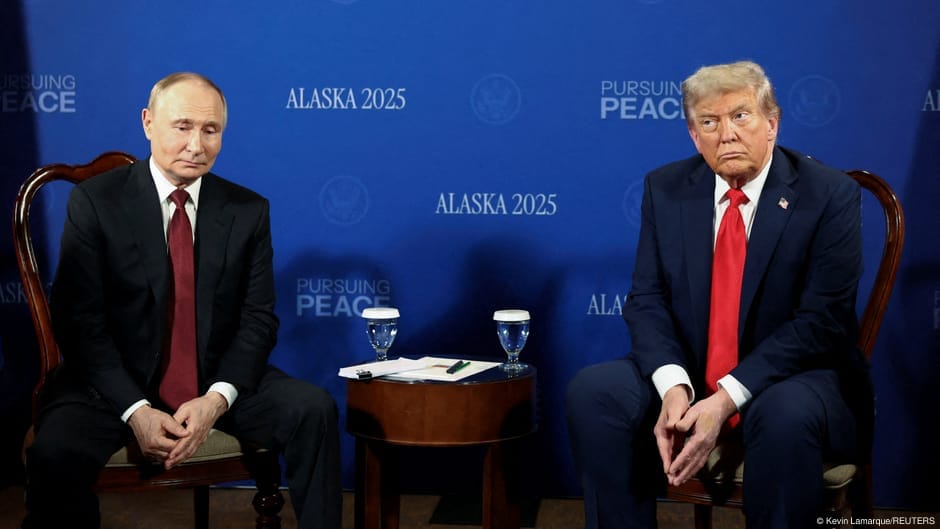
The leaders of the United States, Russia and China are expected to hold their first trilateral meeting on the sidelines of the annual Asia-Pacific Economic Cooperation summit in Shenzhen, according to the White House. The source report identifies the date as November 19, although its body also refers to Thursday, October 19, leaving an unresolved discrepancy in the announced timetable.
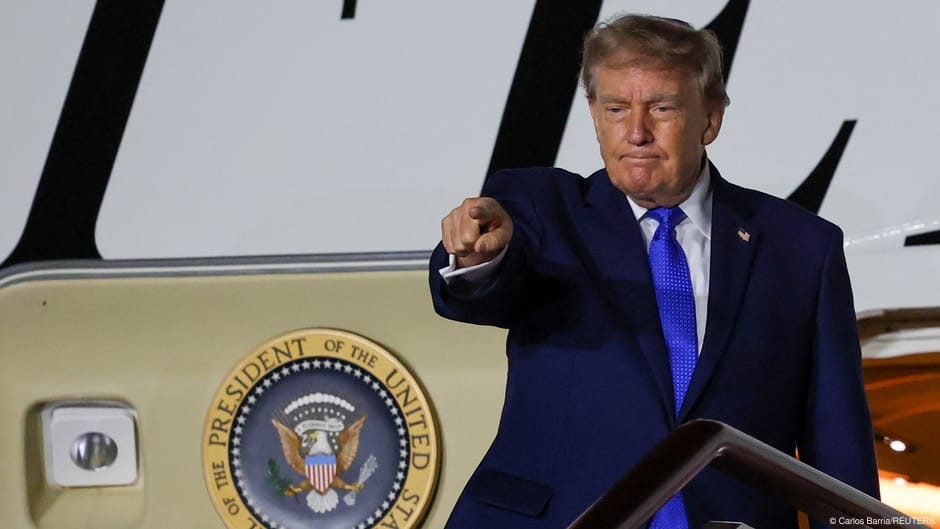
US President Donald Trump, Russian President Vladimir Putin and Chinese President Xi Jinping are set to focus primarily on the foundations of a broad nuclear arms-control agreement. White House representative Olivia Wales confirmed the planned meeting after earlier media reports indicated that the three leaders could convene during the APEC gathering.
No immediate accord is anticipated. A senior US official described the summit to CNN as an opening exchange rather than a negotiating endgame. The official said the administration did not expect an agreement and characterized the encounter as an initial conversation among the three countries at the leadership level.
“We do not expect any agreement. I would characterize this as an initial stage, as a first conversation — at least at the leaders’ level — between these countries.”
A three-power framework for a changing nuclear economy
The meeting would reflect a structural shift in the economics and politics of nuclear deterrence. Arms-control diplomacy was historically dominated by Washington and Moscow because the United States and the Soviet Union held the world’s largest arsenals. China’s expanding strategic role has made that bilateral framework less capable of addressing the full balance of power, while also complicating efforts to establish common limits, verification systems and long-term investment expectations.
Even preliminary talks could carry economic consequences. Nuclear competition requires sustained public spending on weapons production, delivery systems, command infrastructure and research. A credible negotiating process could eventually affect defense procurement and government budget priorities across all three economies. Conversely, an unsuccessful dialogue could reinforce expectations of a prolonged three-way arms race, placing additional demands on public finances and advanced industrial capacity.
The historical parallel is not a ready-made treaty but the earliest phase of Cold War arms-control diplomacy, when political contact preceded detailed technical bargaining. Any eventual framework involving three powers would be more complex than the bilateral US-Soviet model. The participants have different arsenal sizes, security doctrines and regional concerns, making agreement on comparable obligations difficult. The White House’s limited expectations therefore underline the exploratory character of the Shenzhen discussion.
Iran, North Korea and the boundaries of the agenda
The talks could also address the US war against Iran and the situation surrounding North Korea, The New York Post reported, citing a Trump administration representative. Both issues connect regional security risks with wider economic exposure, including military expenditure, trade disruption and uncertainty across Asian markets. North Korea also presents a direct test of whether Washington, Moscow and Beijing can coordinate where their strategic interests overlap only partially.
Ukraine, by contrast, is unlikely to be discussed. Another US official argued that China was not a participant in that process and that raising Ukraine in this setting would therefore be inappropriate. The official also said that no separate bilateral meeting between Putin and Trump was planned.
That exclusion marks a significant divergence from the format reportedly sought by Moscow. In October, The Wall Street Journal reported that Putin had proposed a three-way meeting with Trump and Xi during the APEC forum in China. According to that report, the Russian leader wanted to discuss terms for ending Russia’s war against Ukraine without representatives of the European Union or Kyiv at the table.
Trump said he was prepared to participate in such a meeting but wanted its focus to be nuclear disarmament rather than the war in Ukraine. The distinction is economically important: Moscow’s proposed format would have elevated a regional war with profound consequences for European energy, trade and defense spending, while Washington’s preferred agenda concentrates on the longer-term fiscal and strategic costs of nuclear rivalry.
Europe resists exclusion from Ukraine diplomacy
China has also indicated that it does not intend to use the trilateral summit for negotiations over Ukraine. In early November, German President Frank-Walter Steinmeier said in an interview with public broadcaster ARD that he had discussed the potential summit with Xi during an official visit to China.
According to Steinmeier, Xi emphasized that Beijing was not preparing for Ukraine negotiations at the meeting. The Chinese leader separately described the war as a European conflict and said Europeans would have to be present at any negotiating table devoted to it.
That position limits the possibility that the Shenzhen summit could become an alternative diplomatic channel excluding Kyiv and the European Union. It also highlights the fragmentation of global economic governance: the same three powers may be able to begin discussing nuclear risks while remaining unable, or unwilling, to combine that dialogue with negotiations over a conflict reshaping European budgets, investment flows and security policy.
The summit’s immediate significance will therefore depend less on a signed document than on whether the leaders establish a durable process. A first conversation could create the political mandate for expert-level negotiations, but the differences over agenda, participation and strategic priorities suggest that any comprehensive agreement would require a long and uncertain bargaining cycle.