US Mediates Extension of Israel-Lebanon Ceasefire Amid Complex Regional Dynamics
The United States brokered a three-week extension of the Israel-Lebanon ceasefire, signaling potential for renewed peace talks and addressing Hezbollah's influence.
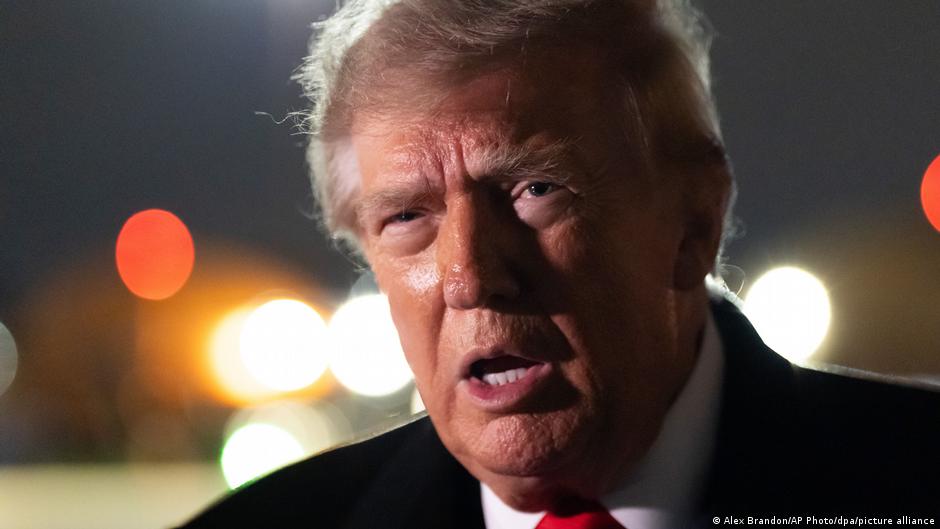
The recent announcement by former US President Donald Trump regarding the extension of the ceasefire between Israel and Lebanon for an additional three weeks underscores ongoing efforts to stabilize a historically volatile region. This development, facilitated through high-level diplomatic engagement in Washington, reflects broader geopolitical and economic considerations that merit deeper analysis.
Background and Diplomatic Context
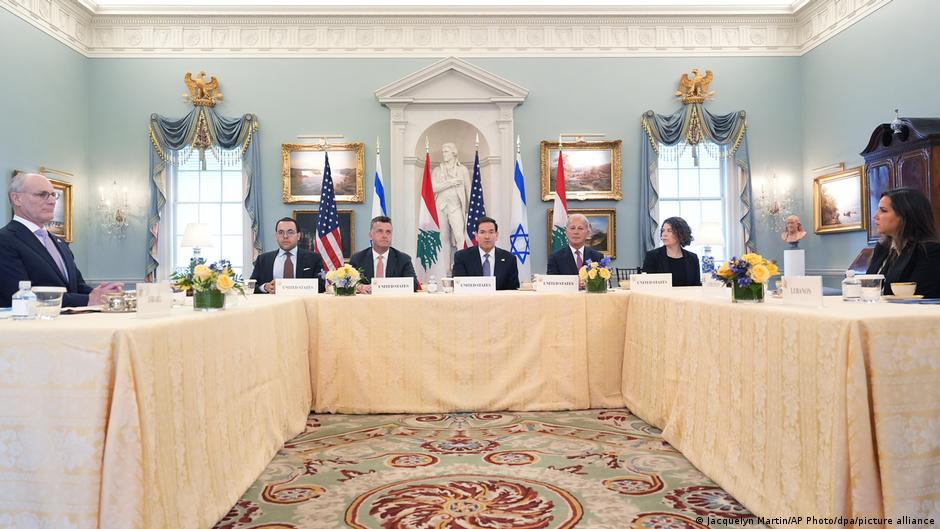
On April 23, Trump disclosed via his social media platform that the ceasefire agreement between Israel and Lebanon would be prolonged by three weeks. This announcement followed a pivotal meeting that included significant American officials such as Vice President J.D. Vance, Secretary of State Marco Rubio, and the US ambassadors to Israel and Lebanon, Mike Huckabee and Michelle Issa, alongside senior representatives from both Israel and Lebanon.
The meeting's success highlights the United States' continued strategic role as a mediator in Middle Eastern conflicts, particularly between Israel and its northern neighbor. Trump emphasized US cooperation with Lebanon to bolster its defense against Hezbollah, a powerful Iran-backed militant group whose activities have long complicated regional stability.
“The meeting was a historic milestone,” Trump noted, expressing eagerness to host Israeli Prime Minister Benjamin Netanyahu and Lebanese President Joseph Aoun, signaling a possible thaw in diplomatic tensions.
Indeed, the ceasefire extension serves both as a mechanism to maintain a fragile peace and as a foundation for further direct negotiations. These talks are especially noteworthy given that the first direct discussions between Israel and Lebanon since 1993 were conducted on April 14 in Washington by their respective ambassadors, marking a significant diplomatic breakthrough.
Economic and Structural Implications
The Israel-Lebanon conflict has long imposed heavy economic burdens on the involved states, as well as on regional trade and investment climates. Prolonged hostilities disrupt cross-border commerce, deter foreign direct investment, and contribute to economic volatility. The current ceasefire extension, therefore, offers a window of opportunity to reduce these economic frictions.
Lebanon's economy, already strained by political instability and a severe financial crisis, stands to benefit from decreased conflict risk, which could improve investor confidence and facilitate humanitarian and economic aid. For Israel, stability on its northern border can enable redirection of resources from military expenditures towards productive economic activities.
Furthermore, the targeted disarmament of Hezbollah, as initiated by Netanyahu’s directive for direct talks on April 9, would have profound structural consequences. Hezbollah's military capacity and political influence are intertwined with Lebanon's domestic politics and its economic orientation. Any meaningful disarmament or limitation of Hezbollah’s role would likely alter Lebanon's internal power balance and could open pathways for economic reforms and integration.
Historical Parallels and Future Prospects
The current diplomatic efforts echo earlier attempts in the 1990s post-Taif Agreement period, when Lebanon sought to rebuild after civil war, and Israel redefined its northern security stance. The long absence of direct talks since 1993 attests to the deep divisions and mistrust that have persisted.
US engagement in facilitating dialogue and ceasefire extensions reflects a strategic calculation to prevent escalation while encouraging incremental steps toward comprehensive peace. This approach aligns with patterns seen in other protracted conflicts where phased negotiations and confidence-building measures precede full agreements.
Should the ceasefire extension translate into sustained dialogue and eventual agreements on security, disarmament, and normalization, the economic dividends could be significant. Enhanced regional stability would likely attract investment, improve infrastructure development, and stimulate cross-border trade, helping to alleviate some of the systemic economic challenges faced by both countries.
Nevertheless, the complexity of regional alliances, especially the influence of Iran via Hezbollah, presents persistent obstacles. The United States’ active role and the willingness of Israeli and Lebanese leadership to engage in dialogue remain critical variables in this evolving scenario.
In sum, the US-mediated ceasefire extension is not merely a cessation of hostilities but a potentially transformative moment in the Israel-Lebanon relationship. Its success or failure will have enduring implications for regional security and economic development.