UK Plans to Increase Defense Budget by £18 Billion Amid Political Turmoil
Prime Minister Keir Starmer aims to boost defense spending by £18 billion to reinforce national security during a period of political crisis.
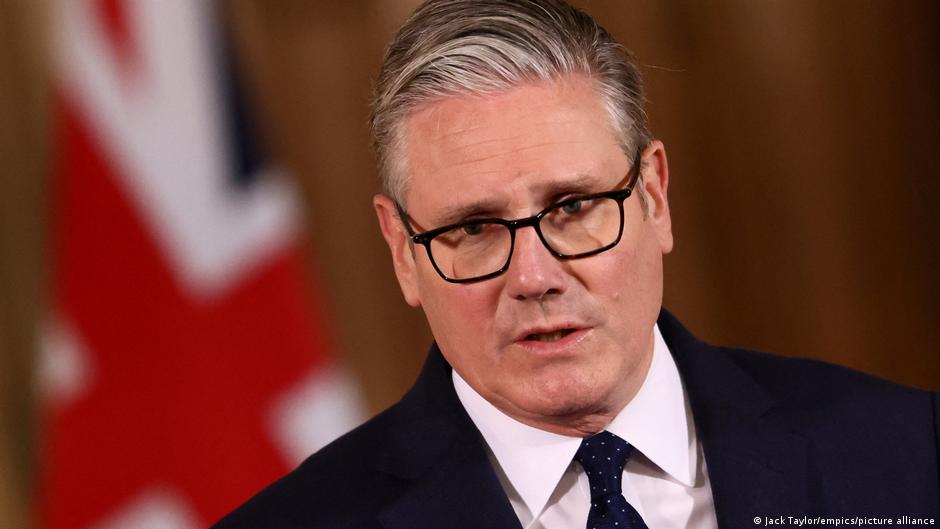
The United Kingdom is preparing to significantly increase its defense budget by £18 billion (approximately €20.6 billion), a move that carries substantial economic and political implications amid internal governmental instability. This initiative, reported by The Times, is central to Prime Minister Keir Starmer’s strategy to prioritize national security in the context of escalating global conflicts and domestic political challenges.
Context and Economic Implications
According to parliamentary data, the UK's defense expenditures for the 2025-2026 fiscal year are projected to reach £62.2 billion. The proposed increase would represent nearly a 30% rise compared to current planned spending levels. While the government has not disclosed the exact sources of funding for this expansion, official statements suggest that the new defense package will be manageable within the overall public budget framework.
This scale of augmentation signals a strategic shift in government priorities. Against a backdrop of geopolitical tensions—particularly in relation to the ongoing conflict in Ukraine and unrest in Iran—the UK is positioning itself to enhance its military readiness and global influence. The investment reflects an understanding of the evolving nature of security threats and the necessity for sustained financial commitment to defense infrastructure, personnel, and technology.
“This new defense package will be quite sustainable for the budget,” a government source stated, underscoring the balancing act between fiscal responsibility and strategic necessity.
Political Dynamics and Structural Consequences
The decision to increase defense spending also comes amidst a domestic political crisis. Prime Minister Starmer faces mounting pressure from within his own Labour Party, with dozens of MPs calling for his resignation. Critics argue that until now, Starmer has failed to translate his rhetorical commitment to national security into concrete policy action. The proposed budget increase may be an attempt to consolidate political support by demonstrating firm leadership on defense issues.
Historically, increased defense spending in the UK has often coincided with periods of political uncertainty or international instability. The post-Cold War era, the response to the 9/11 attacks, and the recent resurgence of great power competition have each prompted recalibrations of defense budgets. This pattern suggests that Starmer’s move is not just a reaction to immediate crises but part of a broader structural realignment of the UK’s economic priorities toward security and resilience.
Economically, such a substantial rise in defense expenditure may have ripple effects across public finance, affecting allocations for social programs and infrastructure investment. The government’s challenge will be to fund this increase without exacerbating fiscal deficits or undermining economic growth. The balancing of defense imperatives with economic sustainability will be a key test for the Starmer administration.
Looking Ahead
The announcement of the defense budget increase is expected imminently, possibly between May 18 and May 24. As details emerge, analysts will closely observe how the government plans to finance this expansion and what sectors will benefit the most. The impact on the UK’s defense industrial base, employment, and technological innovation could be significant, with potential long-term consequences for economic structure and geopolitical posture.
Ultimately, this development highlights the intricate linkage between domestic political stability, economic strategy, and international security policy. The UK’s approach to defense funding will serve as a critical indicator of its future trajectory amid a complex global environment.