Ukraine Imposes Sanctions on 32 Russian Companies and 34 Individuals Linked to Military Industry
Kyiv targets Russian defense sector entities and extends existing sanctions amid ongoing geopolitical tensions.
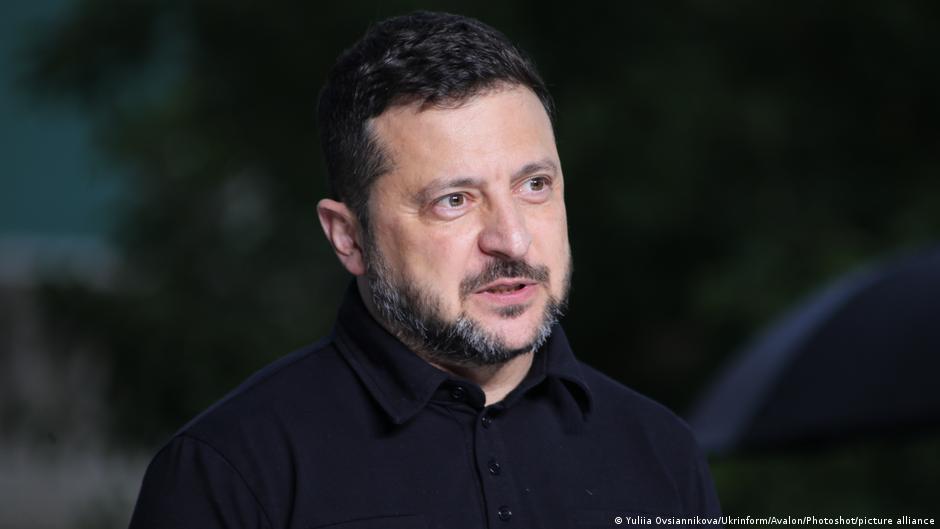
On May 12, Ukrainian President Volodymyr Zelensky signed a decree imposing sanctions on 32 Russian companies and 34 individuals, most of whom are tied to the Russian military-industrial complex (MIC). The measures, adopted following the decision of Ukraine’s National Security and Defense Council (NSDC), also include the extension of previously enacted sanctions.
Targeting the Military-Industrial Complex and Strategic Supply Chains
The sanctioned companies are primarily involved in supplying equipment and components critical to the production and maintenance of advanced Russian military systems. These include supply chains for the S-300 and S-400 surface-to-air missile systems, ballistic missile systems such as Topol, Yars, and Iskander, as well as the production of gunpowder, rocket fuel, and munition components.
Furthermore, the sanctions encompass Russian enterprises producing radio-technical reconnaissance equipment, airborne platforms for specialized military technology, and firms involved in circumventing international embargoes by supplying high-precision industrial machinery and electronic components.
"The sanctions target key nodes within Russia’s defense supply chains, aiming to disrupt the manufacturing and operational capabilities of their advanced weaponry," Ukrainian officials stated.
Among the individuals sanctioned are those who have actively lobbied for the lifting of US sanctions on Russia and sought to ease European Union restrictions, highlighting the geopolitical dimension of economic punitive measures.
Extension of Sanctions and Economic Implications
Alongside the new sanctions, Kyiv extended existing restrictions on 13 individuals and 21 corporate entities introduced in 2023. Notably, four companies previously sanctioned have ceased operations, reflecting the economic pressure on affected businesses.
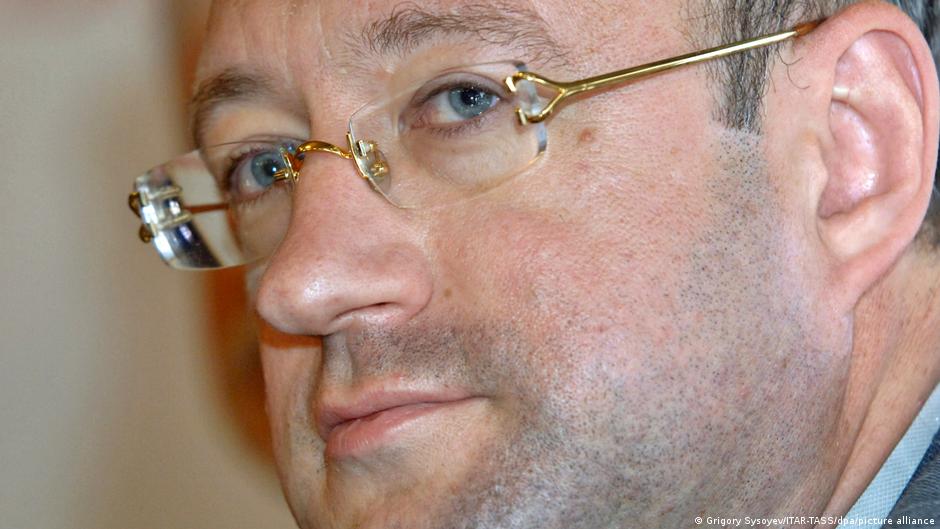
Among those facing extended sanctions are Russian nationals Irina Babakova, Natalia Selivanova, and Vadim Giner, linked to the Ukrainian financial-industrial group LLC "VS Group Management." This group was established by sanctioned Russian businessmen Alexander Babakov, Mikhail Voevodin, and Evgeny Giner, associated with the Russian "Luzhniki" structure.
In 2023, Ukraine's State Bureau of Investigation formally accused Babakov of "justifying Russia's actions" and Giner of "aiding attempts to alter Ukraine’s borders." According to the Ukrainian Ministry of Internal Affairs, Babakov, Voevodin, and Giner were covert owners of a firm possessing several regional energy companies, seven hotels, shopping centers, agricultural businesses, and the "First Investment Bank" in Ukraine.
Broader Economic and Strategic Context
Ukraine’s sanction strategy reflects a broader economic warfare approach, aiming not only to hamper Russia’s military capabilities but also to disrupt covert financial and industrial networks sustaining Russia's influence in Ukraine and beyond. By aligning sanctions with international partners, Kyiv seeks synchronized pressure to maximize economic isolation of implicated actors.
This latest wave of sanctions illustrates historical parallels with economic containment strategies used in geopolitical conflicts, where targeting supply chain vulnerabilities and financial backers is pivotal. The inclusion of entities involved in sanction circumvention underscores the evolving complexity of economic warfare in the digital and globalized age.
Ukraine’s emphasis on detailed economic intelligence and coordination with global allies signifies a growing reliance on economic instruments as critical tools alongside military and diplomatic efforts in contesting Russian aggression.
As Russia continues to face multifaceted pressures, the impact of sanctions on its defense sector and associated business networks could have long-term consequences for its military modernization and regional geopolitical ambitions.