Rising Meat Imports Highlight Structural Challenges in Uzbekistan’s Livestock Sector
Uzbekistan’s growing reliance on imported meat reflects slowed domestic production and rising global prices, signaling deeper economic vulnerabilities.
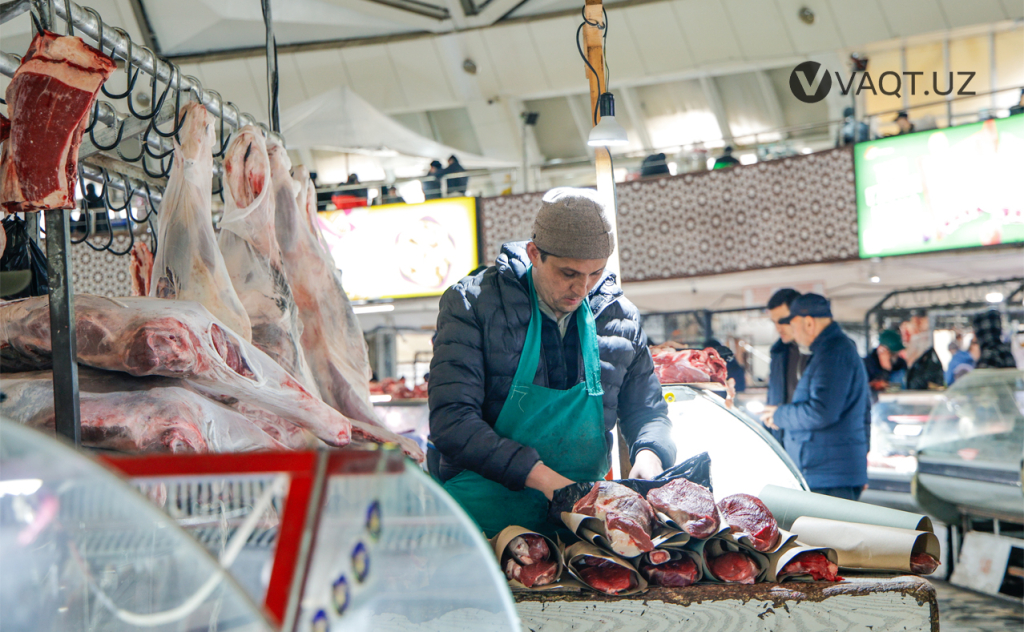
Since the beginning of 2026, Uzbekistan has imported meat products worth $320.6 million, marking a 62.8% increase compared to the same period in 2025. This surge in imports comes as domestic meat production growth slows, forcing the country to depend increasingly on costlier foreign supplies.
Import Growth Amid Domestic Production Slowdown
Data from the Customs Committee reveal that Uzbekistan imported nearly 98,000 tonnes of meat in the first four months of 2026, representing a 36.6% volume increase year-on-year. Beef leads imports with approximately 49,850 tonnes, followed by chicken at 22,700 tonnes.
However, import prices have also risen sharply. For instance, the unit price of imported beef increased from $4.07 per kilogram in 2025 to $4.80 in 2026. Mutton price rose dramatically from $1.03 to $2.87 per kilogram. Chicken prices remained relatively stable, dropping slightly from $1.22 to $1.20 per kilogram.
In contrast, domestic meat production increased by only 2.9% in the first quarter of 2026, producing 580,200 tonnes—a modest growth figure not seen since 2022. This slowdown is primarily attributed to rising feed costs for livestock, which has particularly impacted smallholder and household farmers who are key contributors to meat output.
"The deceleration in meat production growth and the rising cost of feed have compelled Uzbekistan to rely more heavily on expensive imported meat, raising concerns about long-term food security and price stability."
Inflationary Pressures and Market Implications
According to the Central Bank, prices for beef increased by 23.9% in 2025, boneless beef by 25%, and mutton by 26.9%. By March 2026, year-over-year price increases were 15.1% for beef, 15.5% for boneless beef, and 18.2% for mutton. Retail prices have reflected these trends, with market prices reaching up to 200,000 Uzbek soms per kilogram and supermarket prices as high as 259,000 soms.
April 2026 saw mutton prices increase by 3.7% and beef by 3.2%, making meat one of the fastest-growing cost items in Uzbekistan's consumer basket. The growing dependence on imports—already more expensive due to global inflation and logistics disruptions—exacerbates upward pressure on domestic meat prices.
Structural Economic Consequences
The rising import dependency is symptomatic of broader structural issues within Uzbekistan's livestock sector. The increased cost of feed, coupled with limited investment in modernizing animal husbandry, restricts production growth. This dynamic exposes the agro-food sector to external shocks such as global price volatility and supply chain disruptions.
Without strategic interventions to enhance domestic production efficiency and reduce feed costs, Uzbekistan risks sustained inflationary pressures on essential food items like meat. This scenario could have ripple effects on household budgets, nutrition, and economic stability, particularly among lower-income populations.
Overall, the current trends reveal a critical juncture for Uzbekistan’s agricultural policies. Balancing import needs with domestic production capabilities will be essential to ensuring sustainable food security and mitigating inflationary risks in the coming years.