US Intelligence Indicates Iran Retains Majority of Its Military Missile Capabilities
Despite public claims, US intelligence reveals Iran has restored significant missile assets, challenging assumptions about its military degradation.
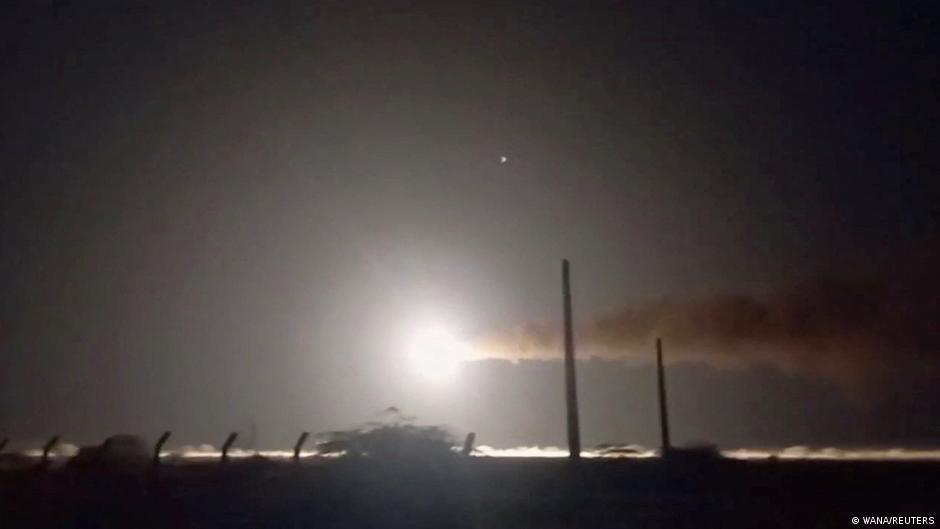
Recent US intelligence assessments challenge prior official claims regarding the degradation of Iran's military missile capabilities. While former US President Donald Trump and his defense advisors publicly asserted that Iran’s military potential had been severely damaged, classified intelligence indicates that the Islamic Republic has preserved approximately 70% of its pre-conflict missile arsenal and maintains control over most of its mobile launchers.
Discrepancies Between Public Statements and Intelligence Reports
The New York Times reported on May 12 that US intelligence sources estimate Iran still controls around 70% of its mobile missile launchers within its borders and about 70% of its entire pre-war missile inventory. This arsenal includes both ballistic missiles capable of striking targets across the region and a smaller stockpile of cruise missiles suitable for shorter-range attacks on land and maritime targets.
Of particular concern are reports indicating Iran has restored operational status to 30 of 33 missile complexes positioned along the strategically critical Strait of Hormuz. These installations present a tangible threat to US naval vessels and commercial oil tankers transiting the vital shipping lane.
"The new intelligence data suggests that the US overestimated the damage inflicted on Iranian missile facilities and underestimated Tehran's resilience and recovery capabilities," writes The New York Times.
Satellite imagery and other intelligence sources reveal that about 90% of Iran’s underground missile storage facilities and launch sites are now partially or fully operational. Similar figures were reported by The Washington Post, which noted Iran has regained approximately 75% of its mobile launch platforms and 70% of its pre-conflict missile stockpile.
These findings directly contradict assertions made by President Trump and then-Defense Secretary Mark Esper that Iran's military capabilities were "destroyed" or no longer posed a significant threat.
Strategic and Economic Implications for the US and Its Allies
The intelligence revelations coincide with concerns about the depletion of US military munitions stocks. The US Armed Forces have reportedly exhausted significant quantities of key precision munitions, including Tomahawk cruise missiles, Patriot missile interceptors, and ground-launched Precision Strike and ATACMS rockets. Any orders for intensified strikes to further degrade Iran’s capabilities risk further draining US inventories.
Such depletion raises alarm among European allies, who have placed multibillion-dollar orders for US munitions to support Ukraine but now fear that these supplies may be delayed or reduced as US forces prioritize replenishment for their own operational needs.
Despite these intelligence assessments, White House spokeswoman Olivia Dalton reiterated the official stance that Iran’s military potential has been "crushed," emphasizing the administration’s belief that Iran’s current situation is unsustainable. She characterized any contrary assessments as either mistaken or influenced by Iranian Revolutionary Guard rhetoric.
Meanwhile, Pentagon spokesperson Sean Parnell affirmed that US forces remain sufficiently equipped to defend national interests and personnel.
Historical Context and Future Considerations
The divergence between intelligence realities and public political narratives is not unprecedented in the history of US military engagements. The underestimation of an adversary’s capacity to regenerate weapons systems parallels previous conflicts where initial damage assessments proved overly optimistic.
From an economic and structural perspective, the strain on US munitions manufacturing capacity highlights broader challenges in sustaining prolonged military operations. Increased demand for advanced precision weapons amid global geopolitical tensions exposes vulnerabilities in defense industrial base resilience and supply chain robustness.
Given these factors, US strategic planners must balance immediate operational objectives with longer-term industrial sustainability. The economic implications extend to allied nations reliant on US arms supplies, potentially impacting multinational coalition dynamics and defense readiness.
In sum, the evolving assessment of Iran’s missile capabilities underscores the complexity of modern conflict dynamics where military resilience, intelligence accuracy, and industrial capacity intersect with geopolitical strategy.