Ukraine Imposes Sanctions on Vessels and Firms Over Illegal Grain Exports from Occupied Territories
Kyiv targets 13 ships and 28 companies to curb unlawful grain exports amid ongoing conflict with Russia.
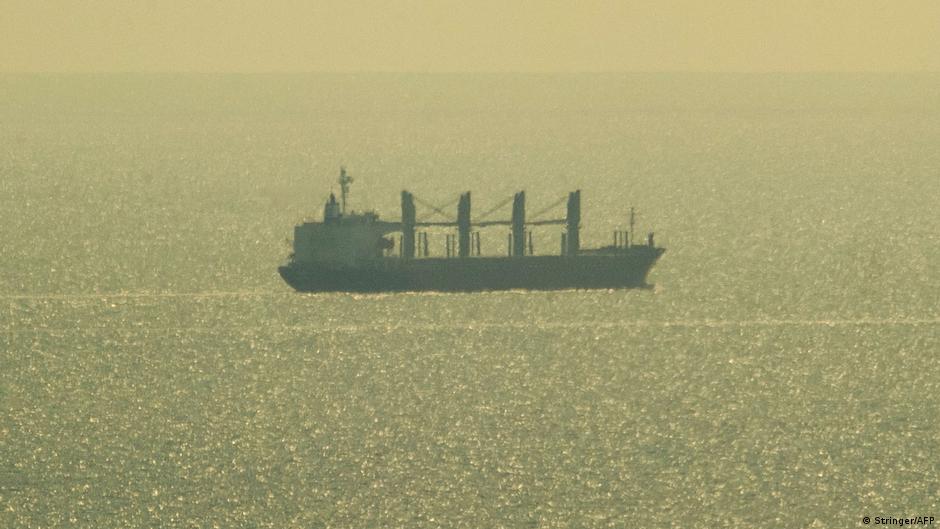
On August 14, 2025, Ukrainian President Volodymyr Zelensky signed a decree imposing sanctions on 13 vessels and 28 companies involved in the illegal export of grain from territories occupied by Russia. This latest move aims to disrupt unauthorized grain shipments and prevent their sale on international markets.
Context and Implications of Sanctions on Grain Exports
The sanctions stem from a decision by Ukraine's National Security and Defense Council to penalize entities facilitating the illicit removal of Ukrainian grain. The vessels targeted fly flags from Russia (8 ships), Panama (3), Belize (1), and Saint Kitts and Nevis (1). Additionally, 11 Russian nationals and 28 legal entities have been sanctioned.
According to the Ukrainian Presidential Office, Kyiv plans to share comprehensive information with allied countries to ensure coordinated international sanctions enforcement. Vladyslav Vlasiuk, Ukraine's Presidential Commissioner for Sanctions Policy, emphasized the broad scope of accountability, stating,
“Illegal export of Ukrainian grain from temporarily occupied territories must have consequences for all parties involved—from companies and owners to captains and vessels.”
This strategy reflects Ukraine’s broader effort to safeguard its agricultural assets and disrupt economic gains derived by occupying forces through unauthorized commodity sales.
Historically, grain exports have been a critical component of Ukraine's economy, often referred to as the "breadbasket of Europe." The ongoing conflict has severely disrupted these supply chains, with occupying forces exploiting agricultural outputs as a source of revenue. By imposing sanctions, Ukraine seeks to curtail these activities and assert economic sovereignty over its resources.
Notably, this is not the first tranche of sanctions targeting grain exports during the conflict. In November 2024, Ukraine enacted similar measures against 56 vessels that had illegally entered ports under Russian control since the full-scale invasion began. These ships were implicated in smuggling wheat, sunflower seeds, and other foodstuffs.
The economic consequences of such sanctions are complex. On one hand, they complicate the ability of occupying forces to monetize seized agricultural commodities, potentially limiting funding for ongoing military operations. On the other hand, these restrictions exacerbate supply chain disruptions, which can have ripple effects on global grain markets, given Ukraine's significant role as an exporter.
International cooperation in enforcing these sanctions is crucial to their effectiveness. Ukraine's commitment to sharing intelligence with allies demonstrates recognition that unilateral measures may be insufficient against transnational shipping networks that facilitate illicit trade.
Looking ahead, the evolution of the sanctions regime will likely depend on the trajectory of the conflict and Ukraine’s ability to regain territorial control. Meanwhile, the use of economic tools such as sanctions illustrates the growing importance of economic warfare in modern conflicts, where control over resources and trade routes can have strategic significance comparable to battlefield operations.