Ukraine's Zelensky Proposes National Pantheon and European Order Amid Diplomatic Tensions with Poland
President Zelensky initiates a national pantheon and a new European Order to honor Ukraine's historical heroes, amidst escalating diplomatic conflict with Poland.
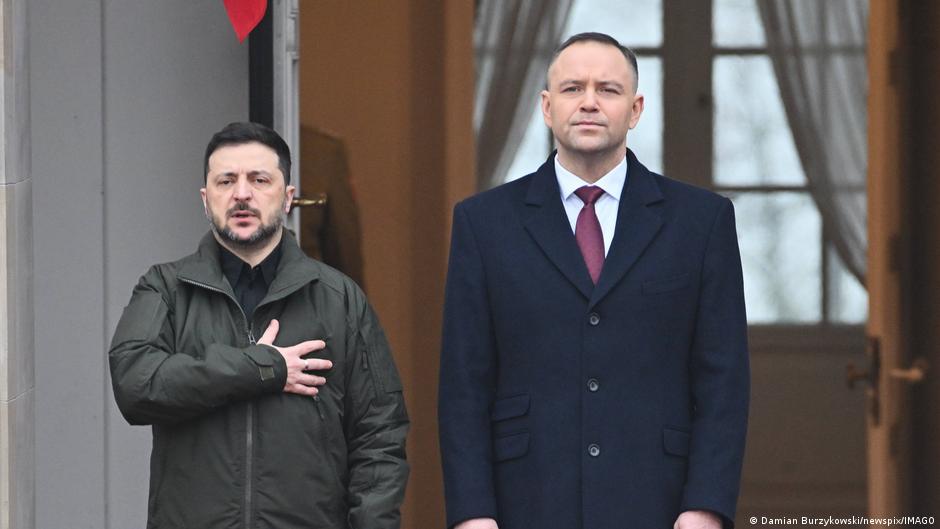
On June 28, 2024, Ukrainian President Volodymyr Zelensky announced plans to establish a Ukrainian National Pantheon dedicated to honoring heroes who have fought for Ukraine across different centuries and epochs. Alongside this, he proposed the creation of a new state award, the Order of Europe, to recognize those defending Ukraine and promoting its integration into the European Union.
Context and Historical Implications of the National Pantheon
Zelensky’s speech, delivered during Ukraine’s Constitution Day celebrations, emphasized the importance of commemorating historical figures who inspired and defended the nation. “The names of all heroes, who at different times and eras fought for Ukraine, inspiring it, will be united and forever inscribed in our history with great respect and attention from the state,” Zelensky declared.
"No one will ever tell us how to live, how to speak, whom to love, whom to be grateful to, and which heroes to honor."
This statement underlines Ukraine’s assertion of cultural and historical sovereignty amid ongoing diplomatic tensions, particularly with Poland. The pantheon concept reflects a broader effort to strengthen national identity by institutionalizing the recognition of Ukrainian heroism and historical narratives.
Diplomatic Strain Between Ukraine and Poland
The announcement comes amid a significant diplomatic rift sparked by Zelensky’s decision to name a Ukrainian Armed Forces unit after the Ukrainian Insurgent Army (UPA). Poland vehemently criticizes the UPA for its role in the Volhynia massacre during World War II, which Warsaw officially recognizes as genocide against Poles.
In response to Zelensky’s decision, Polish President Karol Nawrocki revoked Ukraine’s highest Polish award, the Order of the White Eagle, from Zelensky. The Ukrainian president’s ironic comment comparing his situation to historical figures such as Catherine the Great and Benito Mussolini further inflamed the controversy. Poland clarified that the award is not revoked posthumously and stressed that Gerhard Schröder had not offended the Polish people.
The controversy has led to reciprocal actions: several Ukrainian officials returned Polish honors, while some Polish politicians returned Ukrainian awards. Notably, Jarosław Kaczyński, leader of the conservative Law and Justice party (PiS), called on the Polish government to block Ukraine’s EU accession talks.
Political and Electoral Dimensions in Poland
This diplomatic fallout intersects with domestic political agendas in Poland. The PiS party, currently in opposition, appears to be leveraging the Ukraine issue to gain electoral support ahead of the October 2027 parliamentary elections. A mid-June survey in Poland indicated that 58.3% of Poles view Zelensky’s attitude toward Poles negatively, while 30.1% hold a positive view.
Meanwhile, the revocation of the award was generally well-received among Poles, reflected in a record 54.8% approval rating for President Nawrocki as of late June 2024.
The New Order of Europe: Symbolism and Strategic Messaging
Alongside the national pantheon, Zelensky submitted a bill to the Ukrainian parliament proposing the establishment of the Order of Europe. This award is intended to honor Ukrainians defending Europe’s security and future, as well as foreign nationals contributing to Ukraine’s European integration.
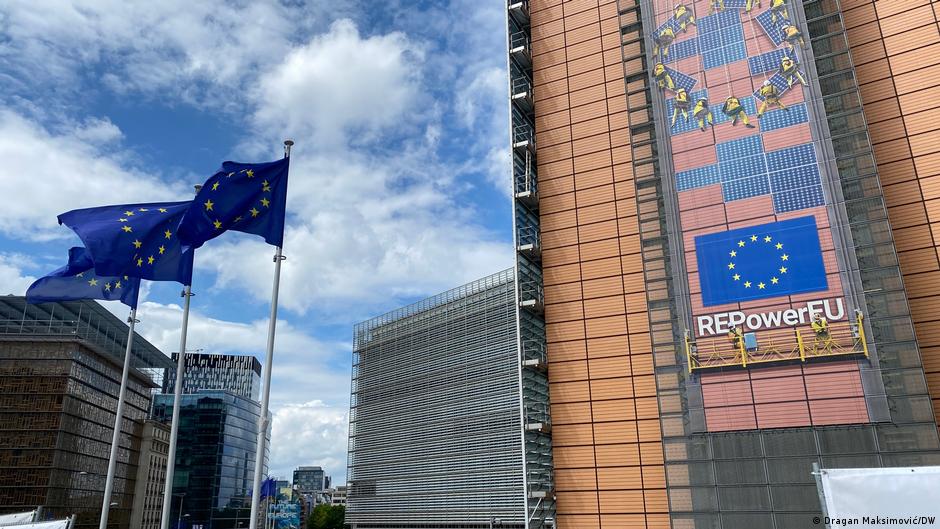
Interestingly, there is no existing European Union award named the Order of Europe. The EU’s sole award, the European Order of Merit, was established in 2025. President Zelensky was among the first recipients of this EU award, underscoring his symbolic role in Ukraine’s European aspirations.
Economic and Structural Consequences
While these symbolic initiatives may appear primarily cultural and political, they have broader economic and geopolitical ramifications. The institutionalization of a national pantheon and the Order of Europe serve to solidify Ukraine’s nation-building narrative in an era of conflict and transition. This strengthens Ukraine’s internal cohesion and its international branding as a European democracy resisting external aggression.
However, the diplomatic rupture with Poland—one of Ukraine’s key allies and EU members—may complicate Ukraine’s European integration process, potentially delaying economic support, trade partnerships, and political cooperation essential for Ukraine’s postwar reconstruction and growth.
Furthermore, the politicization of historical memory risks deepening regional polarization, which could impede broader Eastern European cooperation frameworks. Poland’s domestic political dynamics, influenced by electoral calculations, highlight how nationalistic narratives can impact international economic and political alliances.
Conclusion
President Zelensky’s initiatives—the Ukrainian National Pantheon and the Order of Europe—represent strategic moves to define and assert Ukraine’s historical identity and European trajectory amidst ongoing internal and external challenges. While these measures bolster national morale and international symbolism, they also expose the fragile and complex nature of Ukraine’s regional relationships and the economic consequences tied to diplomatic alignments.