US and Iran Agree to Temporary Ceasefire Amid Strait of Hormuz Shipping Talks
Washington and Tehran commit to halting attacks until June 30 ahead of critical negotiations on maritime transit through the Strait of Hormuz.
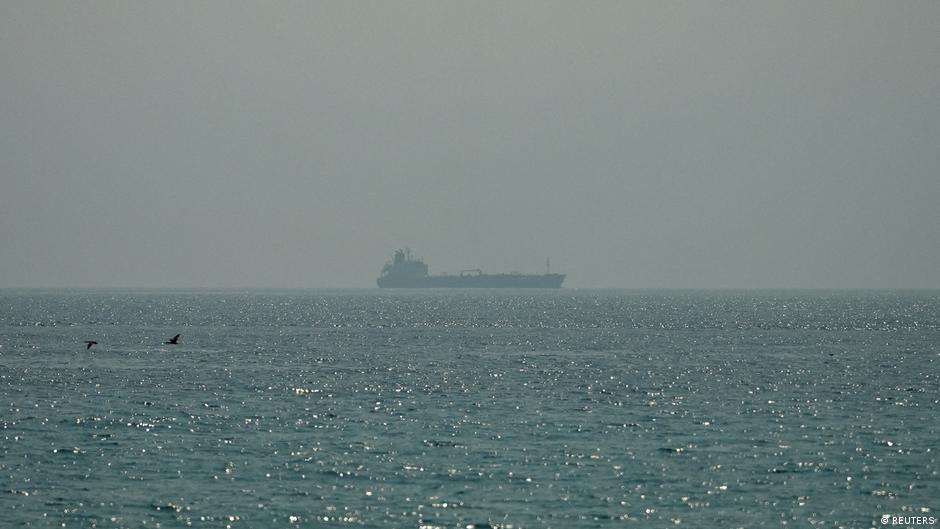
In a tentative step towards reducing regional tensions, the United States and Iran have vowed to refrain from military strikes against each other at least until June 30. This pause comes ahead of a planned meeting in Qatar to discuss the resumption of unimpeded shipping through the strategically vital Strait of Hormuz.
Strategic Importance of the Strait of Hormuz
The Strait of Hormuz is a narrow maritime passage that serves as a critical artery for global energy supplies, with a significant proportion of the world’s oil exports passing through its waters. Control and security of this corridor have long been a source of geopolitical contestation, particularly between Iran and Western powers.
Currently, the strait remains only partially open for navigation. Iran insists that vessels coordinate their routes with its military authorities, a demand that complicates freedom of navigation principles upheld by the West. Tehran has also withheld permission for comprehensive mine-clearance operations, resulting in commercial shipping limited to two narrow lanes within the strait.
“Despite public assurances, maritime traffic through the Strait of Hormuz currently operates at less than half the volume prior to the escalation of hostilities involving the US and Israel against Iran.”
This constrained access has contributed to elevated tensions, with both sides engaging in aggressive actions. From June 26 to 27, despite a declared ceasefire since April 8, the US launched attacks on coastal Iranian bases following Iranian strikes targeting two commercial vessels transiting the strait. Iran justified its actions by citing deviations from approved navigation routes coordinated with its Revolutionary Guard Corps (IRGC). The US viewed Tehran’s retaliation as an effort to assert control over this pivotal maritime route.
In a reciprocal move, Iranian forces struck US military installations in Kuwait and Bahrain, with reports indicating considerable damage to a facility in Bahrain. These exchanges prompted warnings from both parties of a potential collapse of the fragile ceasefire.
Economic Implications and Market Reactions
Market participants have closely monitored these developments, given the strait’s role in global energy supply chains. Oil prices had been trending downward after the June 17 announcement of a memorandum of understanding between the US and Iran, signaling a possible easing of tensions and reopening of the strait.
By June 24, Brent crude prices fell to $73.22 per barrel, marking the lowest level since late February, while WTI crude traded near $69.87 per barrel. The prospective normalization of shipping routes through the strait raises the potential for increased supply fluidity, which could moderate oil price volatility.
However, the ceasefire and memorandum remain provisional. Within 60 days, the parties are expected to address several contentious issues, including Iran’s nuclear program, the withdrawal of US troops from neighboring countries, and whether Iran will impose transit fees on vessels passing through the Strait of Hormuz. Progress on these fronts has yet to be publicly disclosed.
The current standoff reflects deeper structural challenges. The strait’s geopolitical sensitivity stems from its unique position as both a chokepoint for global energy markets and a symbol of regional power dynamics. Any sustained resolution will require navigating a complex web of security, sovereignty, and economic interests that have historically resisted simple solutions.