Ukrainian Drone Attacks on Leningrad Region Signal Rising Tensions Ahead of St. Petersburg Economic Forum
Drone strikes on Russia’s Leningrad region occurred hours before the St. Petersburg International Economic Forum amid heightened military and diplomatic tensions.

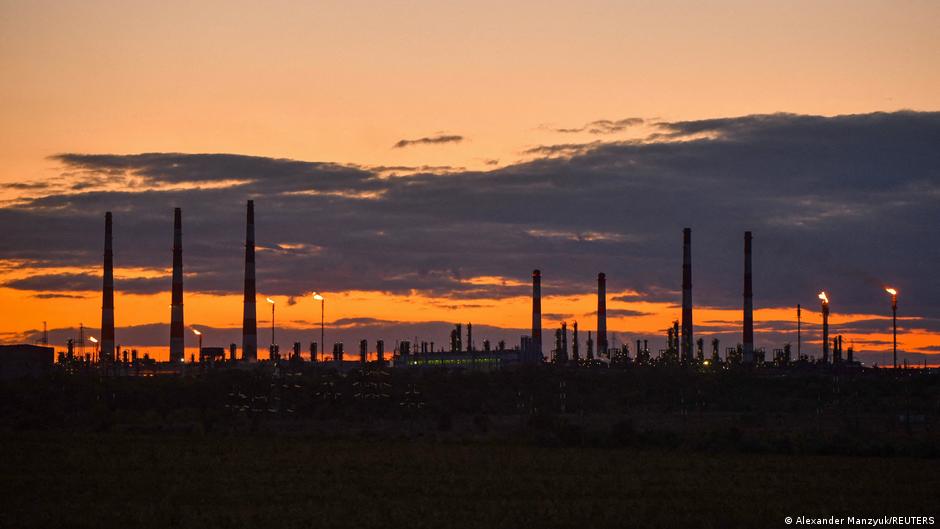
In a striking development just hours before the opening of the St. Petersburg International Economic Forum (SPIEF), Ukrainian drones launched a massed attack on Russia’s Leningrad region. The incident, which took place during the night leading into June 3, marks a notable escalation in cross-border hostilities at a moment when Russia is preparing to host key international economic discussions.
Contextualizing the Attack Amid Diplomatic Engagements
The timing of the attack is critical. The SPIEF, a major annual event aimed at showcasing Russia’s economic priorities and attracting foreign investment, officially opened its sessions on the morning of June 3 at the ExpoForum convention center near Saint Petersburg. Russian President Vladimir Putin is scheduled to deliver a keynote speech on June 5. The forum is also expecting delegations from several countries, including Germany, a key European economic partner.
Governor Alexander Drozdenko confirmed via Telegram that Russia’s air defense forces intercepted 30 drones over the Leningrad region. While details on the precise locations of the interceptions remain undisclosed, the attack prompted restrictions on flights at Pulkovo Airport, impacting transportation connectivity just outside Saint Petersburg.
"Air defense forces shot down 30 drones over the Leningrad region. Combat operations continue," Governor Drozdenko stated.
Ukraine has not publicly commented on the drone attacks. However, the operation can be seen as part of a broader pattern of tit-for-tat military actions between the two countries, particularly as Ukraine braces for possible renewed strikes after suffering heavy attacks in cities such as Kyiv and Dnipro the previous night.
Economic and Security Implications
The drone attacks underscore the fragile intersection of security and economics in the current geopolitical climate. The SPIEF aims to project an image of stability and economic opportunity, yet the timing of these attacks reveals the persistent risks that the ongoing conflict poses to Russia’s ambitions of economic normalization and international cooperation.
Historically, economic forums like SPIEF have often been used by Russia to strengthen foreign investment ties and advance its economic agenda, even amid geopolitical crises. However, direct military threats near key infrastructure and economic hubs risk deterring foreign investors and complicating diplomatic relations, particularly with European partners already cautious due to the conflict.
The anticipated presence of a German delegation highlights the complex balancing act facing European nations: maintaining economic dialogue with Russia while condemning and responding to military aggression. The recent escalation challenges the viability of economic engagement as a tool for conflict mitigation.
Broader Strategic Context
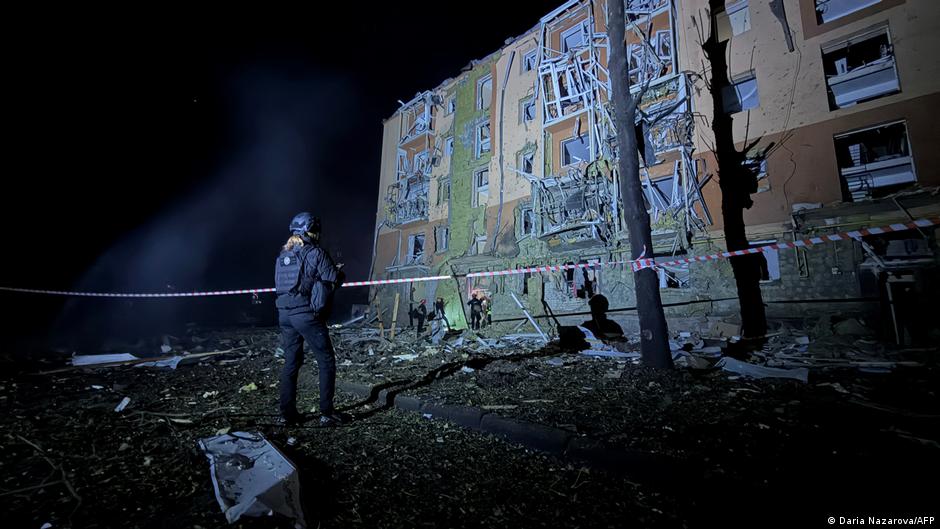
The drone strikes come in the context of Ukrainian President Volodymyr Zelensky’s warnings about potential intensified Russian attacks on Ukrainian cities. On the night of June 2, Ukraine suffered significant casualties and infrastructural damage in Kyiv and Dnipro from Russian strikes, with over 20 fatalities and more than 100 wounded.
Meanwhile, Ukrainian air defense reported sporadic Russian drone activity over its skies on June 3, although no large-scale Russian attacks were confirmed. This reciprocal use of drones signals an evolving dimension of the ongoing conflict, where unmanned aerial vehicles are increasingly deployed for both offensive strikes and airspace defense, blurring traditional frontlines.
From an economic perspective, the persistent military tensions near major economic centers and transport nodes pose significant operational challenges. Airports, logistics routes, and industrial zones are vulnerable to disruption, which can have cascading effects on regional and national economies.
As Russia seeks to leverage the SPIEF to foster international economic cooperation, the security landscape remains volatile. The drone attacks on the Leningrad region serve as a stark reminder that economic forums occur not in isolation but within a deeply contested geopolitical and security environment, where military developments can swiftly undercut economic objectives.
Going forward, the resilience of Russia’s economic diplomacy efforts will be tested by ongoing conflicts and the complex interplay between military strategy and economic imperatives.