UN Faces Imminent Bankruptcy Amid Delayed Payments from US and China, Threatening Global Operations
The United Nations is on the brink of financial collapse due to delayed contributions from key donors, forcing significant operational cutbacks.
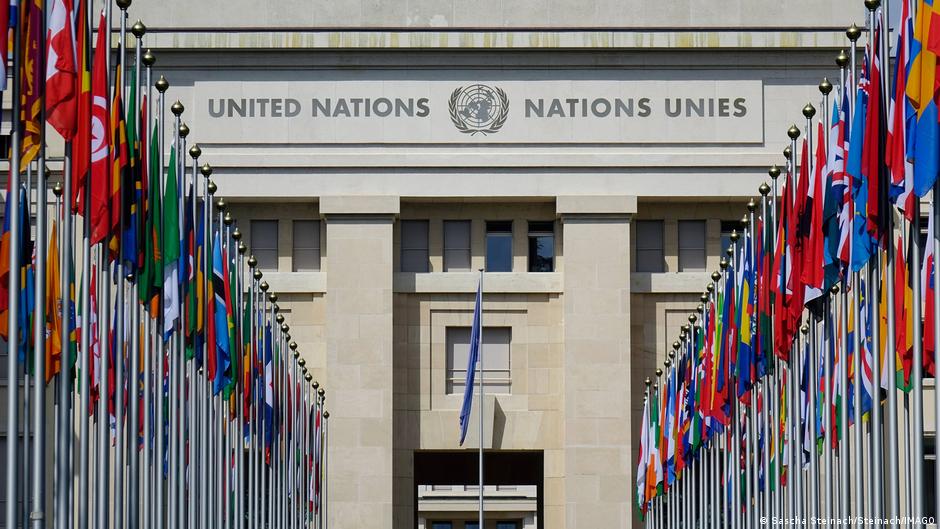
The United Nations (UN) finds itself teetering on the edge of bankruptcy as crucial payments from the United States and China—together accounting for 42% of the UN's budget—remain overdue. This financial strain, compounded by reduced support from other major donors such as Germany and the United Kingdom, has led to drastic cost-cutting measures threatening the organization's global functions.
Structural Financial Challenges and Donor Dynamics
According to recent reports, the United States owes the UN over $4 billion in unpaid contributions. China, despite a notable payment of nearly $850 million coinciding with Foreign Minister Wang Yi's visit to the UN headquarters in New York last month, still has an outstanding debt of $455 million. Beijing maintains it is effectively the UN's primary financial backer and pledges to fulfill its obligations.
The US has linked its future financial support to significant reductions in UN expenditures. Suggested measures include cutting jobs, limiting business-class flights, and increasing reliance on machine translation to reduce costs. Similarly, other prominent donors have scaled back funding: the UK and Germany have curtailed humanitarian aid earmarked for combating hunger and disease, while political shifts to the right in Sweden and the Netherlands have also contributed to funding declines.
"The organization is in a race to bankruptcy," UN Secretary-General António Guterres warned as early as October 2023, emphasizing the "very real prospect of financial collapse."
UN officials predict that current funds will be depleted by mid-August, intensifying concerns not only about ongoing operations but also about the upcoming selection of Guterres’ successor, a process scheduled for completion by the end of 2026.
Consequences and Cost-Cutting Measures
Facing an acute funding shortfall, the UN has implemented sweeping budget cuts. These include shuttering certain offices and eliminating a record 3,000 positions within the secretariat. Operational adjustments have also been made: translator shifts have been reduced, escalators in the New York headquarters turned off, and planned renovations of the building’s facade postponed.
Peacekeeping operations have also been affected, with expedited troop withdrawals from conflict zones in Africa and sharp reductions in associated expenditures. Payments to countries providing personnel for UN missions—such as Nepal and Bangladesh—have been delayed, placing additional strain on these nations.
Compounding the crisis, the UN is legally barred from taking on debt, and its leadership possesses limited authority to restructure operations or reduce personnel costs, which constitute 70% of its budget. Efforts to economize have sometimes met internal resistance; for example, when UN management tried to save $700,000 by closing a secured entry point to headquarters, diplomats successfully pressured for its reopening after just two days.
Historical and Structural Economic Implications
This financial impasse highlights the vulnerability of international organizations heavily dependent on a few key contributors. Historically, similar funding crises have challenged the UN’s ability to maintain neutrality and operational effectiveness, raising questions about the sustainability of its current financial model. The reliance on a limited donor base exposes the institution to geopolitical maneuvering and domestic policy changes in member states, which can lead to abrupt funding withdrawals or conditional aid.
Furthermore, the tightening of budgets during a period marked by multiple global crises—including conflicts, pandemics, and climate change—may undermine coordinated international responses. The UN’s financial instability threatens the continuity of humanitarian programs, peacekeeping missions, and development initiatives, potentially exacerbating global instability.
Looking forward, the UN’s predicament calls for a fundamental reassessment of international funding mechanisms, greater diversification of revenue sources, and stronger mandates to enable flexible financial management. Without such reforms, the organization risks not only operational paralysis but also diminished credibility and influence on the world stage.