UN Peacekeeping Forces at 25-Year Low Amid Funding and Geopolitical Challenges
SIPRI reports a steep decline in UN peacekeepers to the lowest level since 2000, highlighting risks to multilateral conflict resolution frameworks.
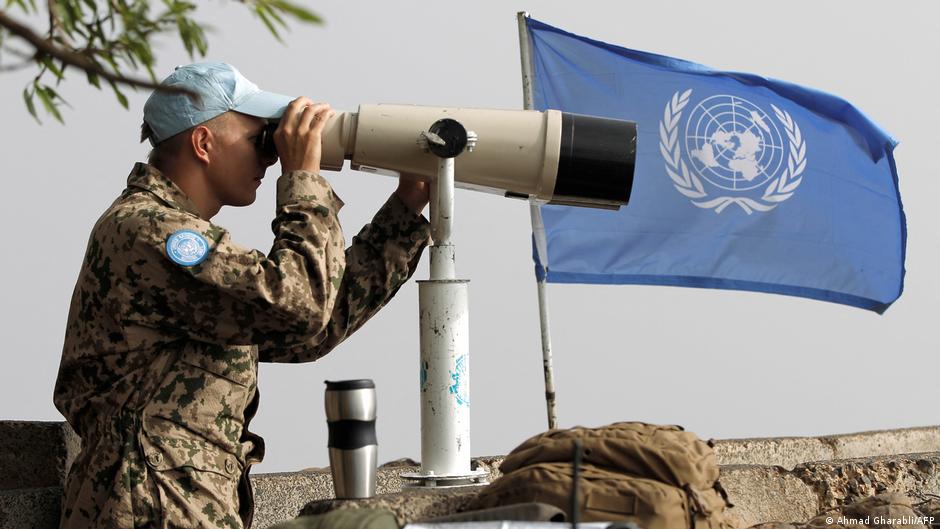
According to the Stockholm International Peace Research Institute (SIPRI), the number of United Nations peacekeepers deployed worldwide has fallen to its lowest level in 25 years. As of the end of 2025, there were 78,633 international personnel engaged in UN peacekeeping missions, representing a 49% decrease from 2016 figures and marking the minimum since 2000.
This decline reflects a decade-long trend of gradually shrinking UN peacekeeping forces, punctuated by a particularly sharp 17% reduction from 2024 to 2025 alone. SIPRI analysts attribute this contraction to a confluence of geopolitical tensions, political pressures, and acute funding crises undermining the operational capacity of the UN's peacekeeping apparatus.
Structural Weaknesses in Global Peacekeeping and Financing
Yair van der Leyn, director of SIPRI’s peace operations and conflict resolution program, warns that if these downward trends continue, the efficacy of multilateral conflict resolution mechanisms, including the UN itself, will be severely compromised. He emphasizes that the erosion of peacekeeping capabilities risks triggering an increase in violent conflicts with devastating consequences for civilian populations, as states increasingly deviate from established international norms.
"If this development continues, we will witness a dramatic weakening of multilateral conflict resolution efforts and a near-total loss of the relevance of institutions such as the UN," van der Leyn said.
In 2025, SIPRI recorded 58 international peacekeeping operations underway across 34 countries or territories—a reduction of four missions compared to 2024. Notably, the UN mission in Nagorno-Karabakh was one of the operations not renewed. Geographically, nearly three-quarters (73%) of peacekeeping personnel were concentrated in just five missions, predominantly in sub-Saharan Africa.
The funding crisis is particularly acute. Due to delayed or incomplete contributions from major donors, UN peacekeeping operations faced a shortfall of approximately $2 billion in July 2025 alone, equating to 35% of their $5.6 billion budget for 2024–2025. This fiscal deficit forced the UN to cut personnel across multiple missions.
Compounding these challenges, political friction within the UN Security Council has hindered mandate renewals. SIPRI highlights the example of the temporary UN mission in Lebanon (UNIFIL), where despite ongoing ceasefire violations in 2024, the United States pressed for the mission’s termination during 2025 renewal negotiations, resulting in only a last-minute extension until December 2026.
Since 2014, no new UN peacekeeping mandates have been authorized, underscoring stagnation at the multilateral level. Regional organizations such as the African Union, ECOWAS, and OSCE have undertaken some peace operations but face similar funding shortages and decision-making delays, especially on high-profile conflicts like those in Sudan and Ukraine.
Claudia Pfeiffer Cruz, senior researcher at SIPRI, stresses the irreplaceable role of UN peacekeeping in global conflict management. "Regional organizations lack the critical capabilities required for successful, integrated peacekeeping and similarly suffer from funding constraints and political deadlocks," she notes. "As UN peacekeeping’s relevance declines, an expanding gap emerges that alternative models cannot fill."
Despite these setbacks, international political support for UN peacekeeping remains broadly stable. Over 130 UN member states participated in the 2025 Peacekeeping Ministerial in Berlin, reaffirming their commitment to the institution’s role.
Yet, as Pfeiffer Cruz concludes, continued support must translate into predictable funding and robust political backing to enable effective and sustainable multilateral peace operations. Without such measures, the risk of a systemic collapse in conflict resolution governance grows increasingly real.