Russian Ballistic Missile Strikes on Kyiv and Regions Highlight Ukraine’s Growing Defensive Challenges
Recent intensive Russian missile attacks on Kyiv and multiple Ukrainian regions underscore emerging shortages in Ukraine’s air defense capabilities.
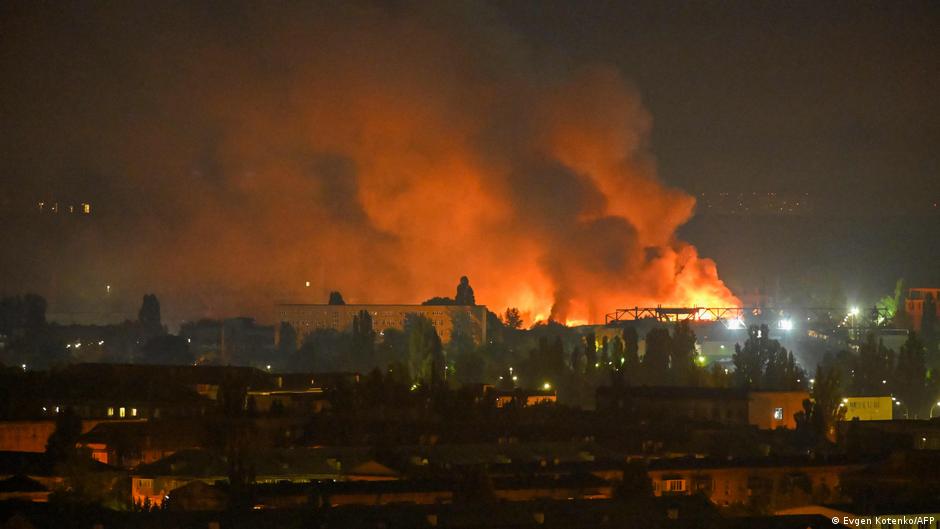
In the early hours of August 5, Russian forces launched a series of ballistic missile strikes targeting Kyiv and several other Ukrainian regions, resulting in multiple casualties and widespread damage. The attacks, part of a broader pattern of intensified strikes since the full-scale war began, have exposed critical vulnerabilities in Ukraine's air defense systems.
Scope and Impact of the Attacks
The Russian military conducted a mass missile offensive overnight, with authorities in Kyiv and the Kyiv Oblast reporting extensive damage. Fires broke out across various districts of the Ukrainian capital, including Obolonskyi, Desnianskyi, and Holosiivskyi, as well as in suburban areas. Kyiv Mayor Vitali Klitschko reported that a private residential building in Holosiivskyi was destroyed, with concerns that people may be trapped under the rubble.
According to preliminary data from the Kyiv City Military Administration, the strikes claimed at least one life in the city and wounded 12 civilians. The State Emergency Service of Ukraine (SES) provided a slightly higher figure, reporting 15 injured individuals.
In the wider Kyiv region, significant damage occurred in Bucha, Brovary, and Fastiv districts. The regional military administration confirmed one fatality in Bucha and a total of 21 civilians wounded across the oblast. Specifically, 13 injuries were recorded in Brovary, three in Fastiv, and five more in Bucha. The SES detailed that in Brovary, fires broke out in logistics centers, warehouses, manufacturing plants, and commercial facilities. Bucha's logistics hubs were targeted, and Fastiv saw fires at an industrial enterprise.
Broader Regional Strikes and Tactical Implications
Besides Kyiv and its region, Ukrainian Air Force reports indicate missile and drone strikes affected Odessa, Zaporizhzhia, Dnipropetrovsk, Kharkiv, and Mykolaiv oblasts overnight. The Russian military’s extensive use of both ballistic missiles and unmanned aerial vehicles has characterized its offensive strategy since the onset of full-scale conflict.
On August 4, the Ukrainian Air Force reported an "Iskander-M" ballistic missile launch from Russia’s Rostov region alongside attacks involving 136 strike drones. Notably, Ukrainian forces were unable to intercept the missile, highlighting growing challenges in air defense.
“The increasing frequency and scale of missile strikes, coupled with shortages of Patriot system missiles, severely strain Ukraine’s defensive capabilities,” a Ukrainian official indicated.
President Volodymyr Zelensky has previously drawn attention to the critical shortfall of missiles compatible with American Patriot surface-to-air missile systems. These systems are heavily relied upon to counter ballistic threats, making their limited ammunition reserves a significant strategic concern.
Structural Economic and Security Consequences
The repeated strikes on logistics hubs, industrial enterprises, and commercial centers have deeper economic implications. Targeting infrastructure that supports supply chains and regional economies disrupts civilian life and hampers Ukraine’s overall wartime resilience. The destruction in areas like Brovary and Bucha, key nodes in Ukraine’s transport and logistics networks, raises concerns about long-term recovery and economic stability.
Historically, prolonged missile campaigns aimed at critical infrastructure have aimed not only to degrade military capacity but also to erode economic foundations and civilian morale. Ukraine’s predicament echoes other conflicts where air defense system limitations have resulted in sustained vulnerability to missile barrages.
As Ukraine confronts these multifaceted challenges, the urgent need for replenishing advanced missile interceptors and enhancing air defense capabilities becomes evident. Without adequate supply, defensive systems risk being overwhelmed, potentially leading to increased casualties and infrastructural damage.
The evolving conflict demonstrates how modern warfare's structural economic consequences extend beyond immediate battlefield losses, encompassing long-term impacts on urban centers, industrial capacity, and civilian safety.