Over 8.4 Million Ukrainians Reside Abroad Amid War-Driven Demographic Shift
Ukraine faces significant population decline as over 8.4 million citizens live outside the country, reshaping its economic and social landscape.
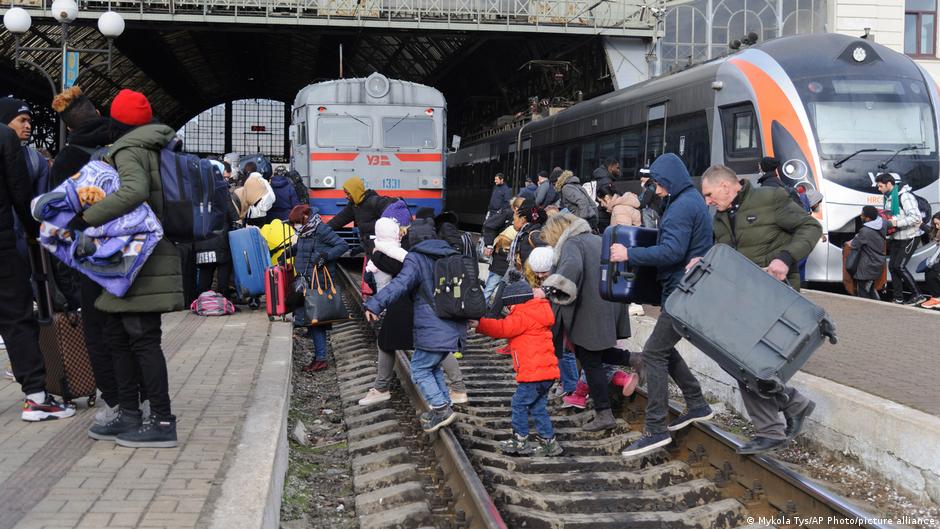
The ongoing conflict in Ukraine has precipitated a profound demographic transformation, with more than 8.4 million Ukrainians currently living abroad, according to the country’s Human Rights Ombudsman Dmitry Lubinets. This figure underscores a large-scale displacement that carries far-reaching economic and social consequences for Ukraine's post-war recovery and development.
Demographic Decline and Displacement in Context
Ukraine’s population dynamics have been severely disrupted by the war with Russia, which began with the annexation of Crimea in 2014 and escalated dramatically with the full-scale invasion in 2022. Before the invasion, the State Statistics Service of Ukraine estimated the population at over 41 million, excluding Crimea and parts of Donetsk and Luhansk regions under occupation.
Recent data from the National Academy of Sciences of Ukraine indicates that approximately 27 to 28 million people now reside in government-controlled territories. This represents a significant population decline, with millions either displaced internally or having fled abroad.
"More than 8.4 million of our citizens today are outside Ukraine. Our duty is to ensure that each of them knows Ukraine remembers them and is ready to defend their rights," stated Dmitry Lubinets.
Lubinets highlighted an enduring humanitarian crisis, referencing thousands of Ukrainians held captive in Russia and the forced relocation of over 20,000 Ukrainian children to Russia. Since 2014, an estimated 8.5 million people have left Ukraine due to conflict-related reasons.
Economic and Structural Implications
The mass exodus of Ukrainians poses critical challenges to the country’s economic stability and development prospects. The significant population loss directly impacts the labor market, shrinking the domestic workforce amid a time of reconstruction and heightened demand for human capital.
The Ukrainian diaspora, largely concentrated in European Union countries, represents both a challenge and an opportunity. Eurostat reported that as of July 2026, 4.38 million Ukrainian refugees are under temporary protection in the EU, with large populations in Germany, Poland, and Spain. These migration flows reduce short-term labor supply in Ukraine but might also facilitate knowledge transfer, remittances, and long-term economic ties if managed strategically.
However, the demographic shift may exacerbate structural weaknesses such as aging population trends and regional disparities, especially as many displaced people are of working age and younger generations. The displacement also complicates social service delivery and urban planning within Ukraine’s remaining population centers.
Historical Parallels and Future Outlook
Ukraine’s current demographic crisis evokes parallels with other conflict-affected countries where mass displacement led to lasting economic and social transformations. The post-conflict population decline and diaspora growth may reshape Ukraine’s economic model, emphasizing the need for comprehensive reintegration policies and diaspora engagement strategies.
According to government officials, precise post-war population data will only become available 1.5 to 2 years after conflict cessation, complicating immediate policy responses. In the interim, Ukraine faces the urgent task of balancing humanitarian aid, economic recovery, and long-term demographic planning.
As Lubinets emphasized, ensuring the rights and welfare of displaced Ukrainians remains a national priority. Maintaining strong ties with the diaspora and preparing for eventual return and reintegration will be critical components of Ukraine’s broader economic and social recovery strategy.
In summary, the displacement of over 8.4 million Ukrainians represents a structural economic challenge with implications for labor markets, social cohesion, and national development trajectories. These demographic shifts will shape Ukraine’s economic landscape for years to come and require nuanced policy responses informed by both historical lessons and contemporary realities.