US Announces New Negotiation Phase with Iran Amid Military Tensions
President Trump signals a diplomatic turn by postponing military strikes to pursue a tentative deal addressing nuclear and regional security issues.
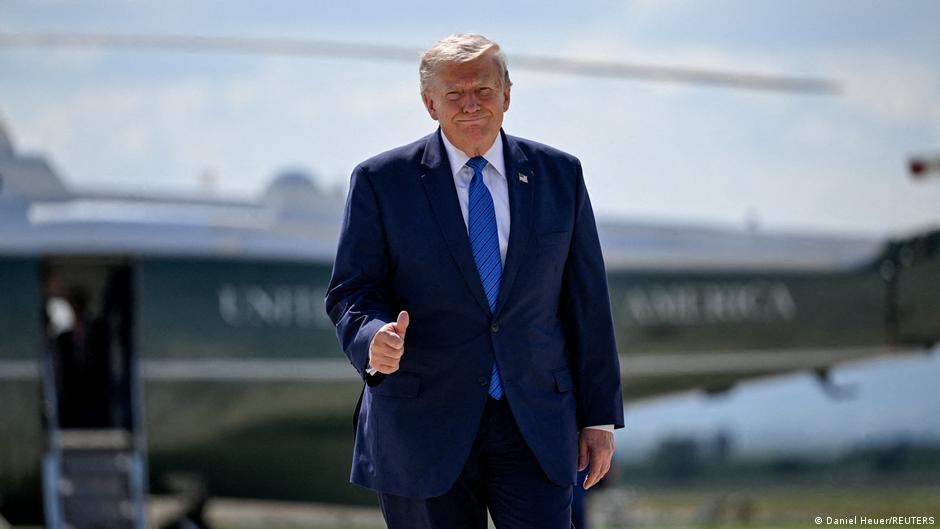
On July 29, 2026, US President Donald Trump announced that a new phase of negotiations between Washington and Tehran would commence on Monday, August 3, signaling a cautious shift from military confrontation to diplomacy. This development follows a period marked by heightened military actions and strategic brinkmanship between the two nations.
Military Postponements and Diplomatic Openings
Trump disclosed that the White House had decided to forgo additional military strikes against Iran to provide room for diplomatic efforts to resolve ongoing tensions. "This will save many lives," the president stated during remarks aboard Air Force One. This decision reflects a complex calculus balancing military pressure and diplomatic engagement amid escalating conflicts.
Significantly, Trump indicated that upcoming negotiations might encompass critical issues such as the security of the Strait of Hormuz — a vital global oil transit chokepoint — and Iran's nuclear program. "I would prefer to make a deal. I do not like killing people," he emphasized, while maintaining that the US reserves the right to resume military action if deemed necessary.
Earlier, the US and Israel had reportedly postponed planned attacks on Iran following requests from Iran itself and other Middle Eastern states, underscoring regional actors’ influence on US strategic decisions.
"We were prepared to confront Tehran with military might unmatched since World War II, but agreed to cancel strikes for the future good of the world and due to agreed deal parameters." — President Donald Trump
Contextualizing the US-Iran Standoff
The announcement arrives amid a fraught historical backdrop. Since the June 2026 memorandum of understanding between the US and Iran, which aimed to halt hostilities for 60 days and initiate peace talks, the situation has seen cycles of violence and tentative truces. Despite the memorandum, US forces resumed attacks on Iranian targets, accusing Tehran of breaching ceasefire conditions.
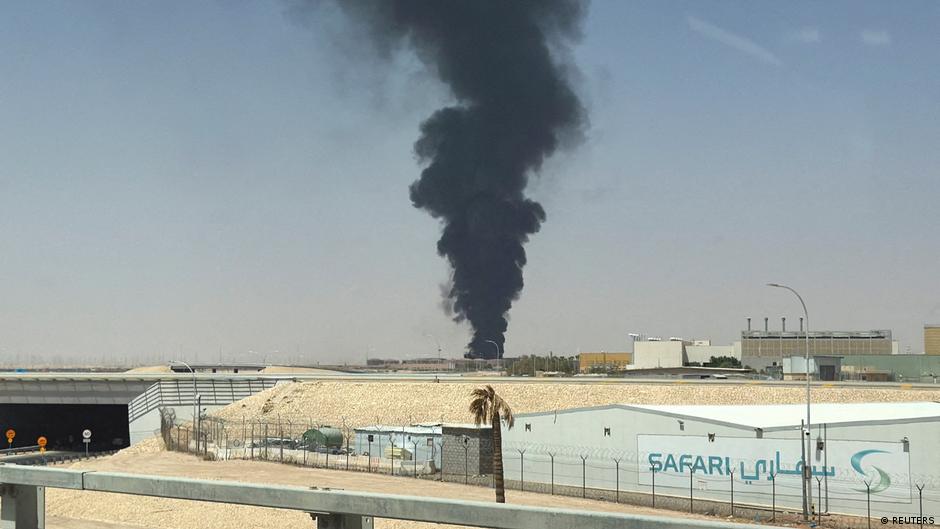
On July 30, the US military launched strikes against "dozens of targets" belonging to the Islamic Revolutionary Guard Corps (IRGC), including command centers and missile and drone launch sites. Iranian state media reported that among the casualties was a residential area on Qeshm Island, resulting in three fatalities, highlighting the human cost of this conflict escalation.
Economic and Strategic Implications
The potential diplomatic breakthrough carries significant economic and geopolitical weight. The Strait of Hormuz is a strategic artery for global energy supplies, with approximately 20% of the world’s petroleum passing through it daily. Continued conflict threatens to disrupt oil exports and exacerbate price volatility, with ripple effects on global markets.
Furthermore, US-Iran relations influence broader regional stability in the Middle East, affecting alliances, energy security, and international trade. Any durable agreement addressing Iran's nuclear ambitions and regional conduct could recalibrate power balances and open pathways for renewed economic engagement and investment.
However, the fragility of the current truce and the history of deferred military actions indicate persistent uncertainty. Structural issues—such as mutual distrust, divergent strategic goals, and competing regional interests—remain formidable barriers to lasting peace.
As negotiations approach, stakeholders and analysts alike watch closely, weighing the prospects for a diplomatic resolution against the backdrop of enduring tensions and complex economic stakes.