US Arms Shipments to Europe Delayed Amid Rising Military Demands in Iran Conflict
Washington prioritizes replenishing depleted arsenals due to Iran war, causing supply disruptions for European and Asian allies.
The United States has alerted European allies, including the United Kingdom, Poland, Lithuania, and Estonia, of significant delays in arms deliveries as it urgently replenishes military stockpiles depleted by ongoing conflict with Iran. This development, reported by multiple sources, signals a strategic reallocation of defense resources with broad geopolitical and economic implications.
Strategic Supply Chain Disruptions and Their Broader Implications
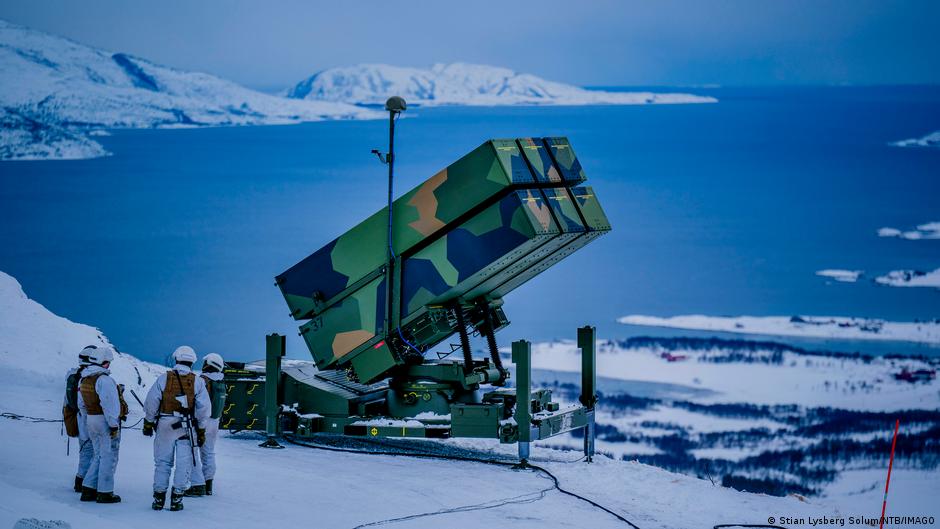
According to insiders, the delays primarily affect munitions for critical rocket artillery systems such as NASAMS and HIMARS, which are integral components of allied defense capabilities. The ripple effect extends beyond Europe, with similar postponements under consideration for US partners in Asia, including Japan and South Korea. The Pentagon has stated it is "carefully assessing" requests for equipment to align with operational priorities amid heightened demand.
“Allied partners have been warned of serious delays, reflecting the strain on US armaments caused by the protracted Iran conflict,” a senior official noted.
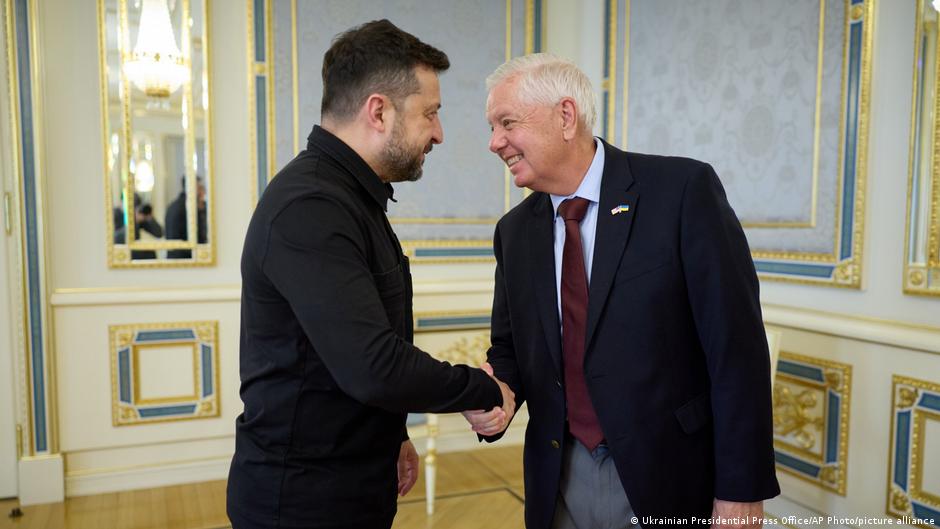
This shift has particular significance for Ukraine, which despite receiving US support against Russian aggression for over five years, faces growing uncertainty in arms shipments. The shortage of critical munitions could affect Kyiv’s defense posture amidst ongoing hostilities.
US allies utilizing the NASAMS air defense system range across multiple continents, including Taiwan, Norway, Finland, Spain, the Netherlands, Indonesia, Australia, Hungary, Ukraine, Denmark, Qatar, and Oman. HIMARS users include 14 allied nations, notably Ukraine, Poland, and Estonia, underscoring the widespread impact of the supply constraints.
Simultaneously, the US Department of State has approved arms exports and military services exceeding $8.6 billion to four Middle Eastern US partners: Israel, Qatar, Kuwait, and the United Arab Emirates. Qatar received the largest package, valued at approximately $4 billion, followed by Kuwait at $2.5 billion, Israel around $1 billion, and the UAE about $150 million.
This prioritization reflects the administration’s strategic focus on the Middle East, particularly in light of escalating tensions with Iran. The expedited approval process circumvented standard Congressional review under a special emergency provision invoked by the Trump administration, justified by the “urgent necessity” of the ongoing conflict, even as official notification of the conflict’s end was submitted to Congress.
Economic and Geopolitical Consequences
The reallocation of US military resources highlights the vulnerability of global defense supply chains to regional conflicts. The prioritization of Middle Eastern partners over European and Asian allies may strain transatlantic and Pacific security relationships, with potential long-term effects on alliance cohesion and defense industrial planning.
From an economic perspective, the surge in arms exports to the Middle East injects substantial revenue streams into the US defense sector, though it also raises questions about sustainable production capacity and the balance of military commitments globally. Historical parallels can be drawn to previous US military engagements that necessitated rapid rearmament cycles, often resulting in temporary supply bottlenecks and geopolitical recalibrations.
In summary, the US decision to delay arms shipments to Europe in favor of replenishing stocks amid the Iran conflict underscores the intricate interplay between military strategy, economic capacity, and alliance politics. Analysts will be monitoring the evolving situation closely for its impact on global security architectures and defense economics.