US Charges Former Cuban Leader Raul Castro Over 1996 Killings Amid Heightened Tensions
The US Justice Department accuses Raul Castro of orchestrating the deaths of four American pilots during a Cold War-era incident, signaling intensified geopolitical conflict.
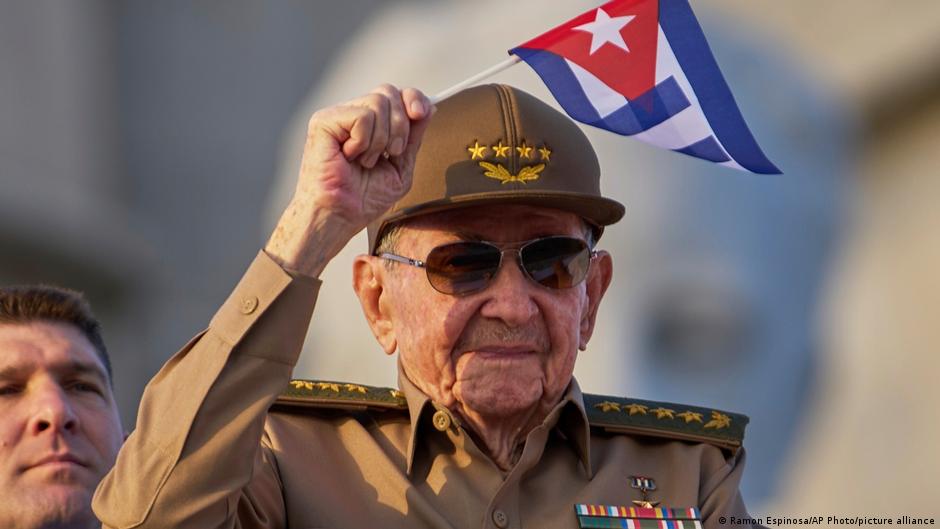
The United States Department of Justice has formally charged Raul Castro, former First Secretary of the Communist Party of Cuba, with conspiracy to murder American citizens in connection with a 1996 incident in which four US pilots were killed. This move marks a significant escalation in the deteriorating relations between Washington and Havana.
Historical Context and Incident Overview
On May 20, the acting US Attorney General Todd Blanche announced the indictment, accusing Castro of orchestrating the downing of two planes operated by Brothers to the Rescue, a Miami-based organization assisting Cuban refugees fleeing by sea. These planes were shot down by Cuban fighter jets over international waters, killing all four American pilots on board.
At the time, Raul Castro served as Cuba’s Minister of Defense. The Cuban government defended the military’s actions as a lawful response to airspace violations, while the International Civil Aviation Organization later determined the shootdown occurred in international airspace. This case remains a highly sensitive chapter in US-Cuba relations, emblematic of Cold War tensions that have continued to shape policy decisions decades later.
"My message is clear. The United States and President Trump will not forget their citizens," stated Todd Blanche, emphasizing the symbolic importance of the charges despite Castro’s advanced age of 94.
The indictment is largely symbolic given Castro’s age and the improbability of extradition, but it signals a renewed US commitment to holding Cuban leadership accountable for past acts against American citizens. Blanche warned that if Castro does not appear voluntarily in the US, he could be forcibly brought to stand trial.
Geopolitical Implications and Economic Consequences
These charges come amidst a broader context of rising hostilities between the US and Cuba. In recent months, tensions have intensified following the US-backed removal of Venezuelan President Nicolas Maduro, a key ally of Cuba, and the imposition of an energy blockade on the island nation. The Trump administration has signaled a hardline stance, aiming to increase pressure on Cuba’s ruling elite and potentially reshape the political and economic landscape of the Caribbean.
US Senator Marco Rubio, himself the son of Cuban exiles, released a video urging the Cuban people to reject their socialist government ahead of the indictment. This rhetoric reflects a strategic effort to undermine Cuba’s socialist governance and pave the way for a new political order in the region.
Raul Castro, brother of Fidel Castro and a central figure in Cuba’s political history, was instrumental in the 2015 thaw in US-Cuba relations under the Obama administration—a rapprochement that was later reversed during the Trump presidency. His retirement in 2018 marked the end of an era, but the unresolved tensions from that period continue to influence economic sanctions and diplomatic strategies.
The renewed confrontation threatens to exacerbate Cuba’s economic challenges, aggravating shortages and limiting access to international markets. The energy blockade, in particular, poses serious risks to Cuba’s already fragile infrastructure and economic stability, thereby increasing the likelihood of social unrest and complicating any prospects for gradual reform.
Looking Forward: Structural Consequences for US-Cuba Relations
The indictment of Raul Castro may be seen as a symbolic gesture, but it reflects deeper structural shifts in US policy towards Cuba that prioritize punitive measures over engagement. This approach risks perpetuating the cycle of isolation and economic hardship that has characterized much of the post-Cold War era.
As the US intensifies sanctions and diplomatic isolation, Cuba faces growing economic pressure that could either catalyze reform or deepen authoritarian resilience. The historical parallels with earlier decades suggest that without a nuanced strategy addressing the root economic and political issues, the region may remain trapped in a protracted geopolitical standoff.
Ultimately, the case illustrates how past conflicts continue to echo into present-day geopolitics, influencing economic policies and shaping the futures of nations long after the Cold War’s end.