US Extends Deadline for MOL to Negotiate Acquisition of Serbian Oil Company NIS Amid Sanctions
The US Treasury grants Hungarian MOL until June 16 to finalize talks on buying Gazprom’s stake in Serbia’s Naftna Industrija Srbije.
The US Treasury Department’s Office of Foreign Assets Control (OFAC) has granted Hungarian energy company MOL Nyrt. an extension until June 16 to continue negotiations over acquiring a controlling stake in Serbia’s oil refiner Naftna Industrija Srbije a.d. (NIS), in which Russian gas giant Gazprom holds significant shares. This latest extension follows a previous one granted on May 22 and reflects progress made in the talks, MOL announced on the Budapest Stock Exchange on June 6.
Sanctions and Strategic Implications for Regional Energy Security
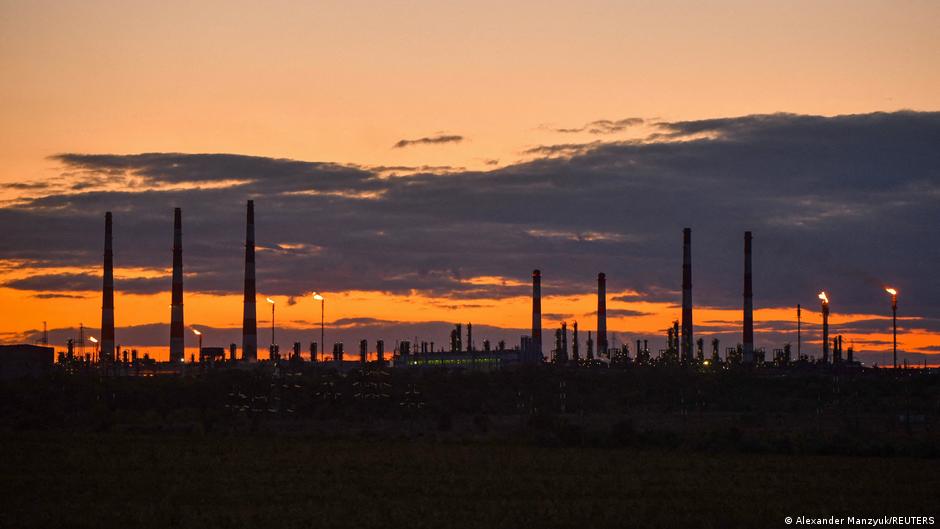
NIS was added to the US sanctions list in January 2025 due to Gazprom’s ownership share, with restrictions taking effect on October 9, 2025. These sanctions caused immediate disruptions, notably halting oil supplies through the Adriatic pipeline (JANAF) via Croatia and forcing the shutdown of NIS’s refinery operations in Pančevo, Serbia's key refining hub.
"The extension will enable the completion of transaction documentation," MOL stated, signaling confidence in closing the deal promptly.
Gazprom owns 44.9% of NIS shares directly, with an additional 11.3% held by Gazprom’s investment arm. The Serbian government holds a 29.9% stake, while the remainder is distributed among private investors and company employees. The complex ownership structure reflects Serbia’s balancing act between Russian energy influence and growing European integration pressures.
Serbia’s Minister of Mining and Energy, Dubravka Đedović-Handanović, disclosed on January 19 that MOL and Gazprom Neft had agreed on the principal terms for the sale of the Russian stake in NIS. The minister added that Serbia negotiated improved terms allowing it to increase its stake by an additional 5% in the near future. The deal could potentially include participation by Abu Dhabi National Oil Company (ADNOC), indicating wider Middle Eastern strategic interest in the Balkan energy sector.
The proposed agreement must still receive final approval from OFAC. Previously, OFAC extended the license allowing shareholders to negotiate the sale of the Russian stake until March 24. MOL requested a further extension until July 6 to conclude the talks, but OFAC set a shorter deadline of June 16.
Economic and Geopolitical Analysis
This transaction is emblematic of the broader economic and geopolitical shifts reshaping the European energy landscape amid heightened sanctions against Russia. The US’s cautious extension of negotiation deadlines underscores the delicate balance between enforcing sanctions and enabling market participants to adjust ownership structures without destabilizing regional energy supplies.
Historically, similar state-influenced energy asset transfers have signaled shifts in geopolitical influence. Serbia’s ability to marginally increase its stake reflects a strategic effort to assert greater national control over critical energy infrastructure while navigating competing pressures from Moscow, Brussels, and Washington.
The involvement of ADNOC also signals that energy diversification interests extend beyond Europe, with Gulf states positioning themselves as alternative partners in Balkan energy. Such investments have broad implications for regional energy security, investment flows, and the restructuring of ownership in formerly Russian-dominated assets.
In sum, the extension granted by OFAC is not merely procedural but indicative of the protracted, complex negotiation process at the intersection of sanctions enforcement, energy security, and regional economic realignment. The outcome of MOL’s acquisition of NIS’s Russian stake will likely influence the future configuration of Southeast Europe’s energy markets and geopolitical alliances.