US Extends Suspension of Sanctions on Russian Oil Exports Until May 16 Amid Global Energy Uncertainty
Washington prolongs waiver on Russian oil sanctions previously set to expire amid rising global energy prices and complex geopolitical dynamics.
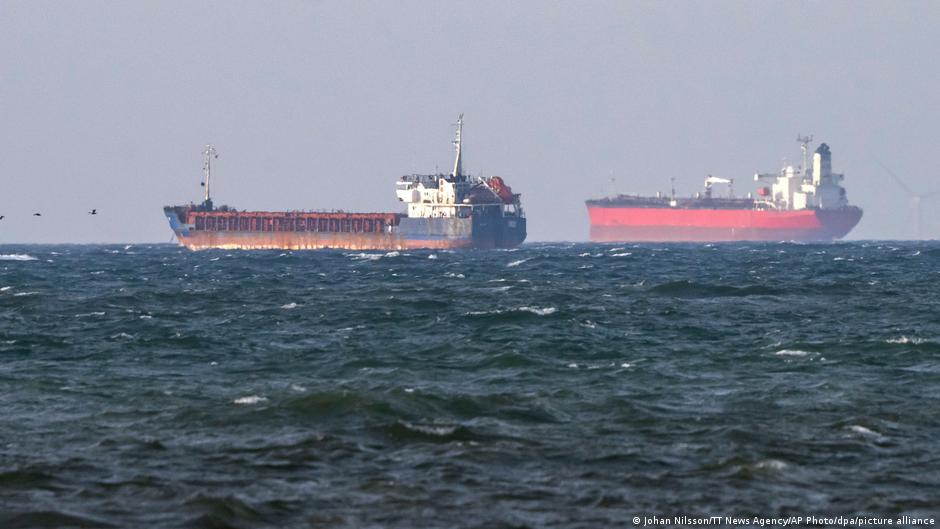
In a significant move reflecting the intricate balance of global energy markets and geopolitical pressures, the United States announced an extension of its temporary waiver on sanctions related to Russian oil exports. The exemption, which permits the sale of Russian oil and petroleum products already loaded onto tankers, has been extended until May 16, 2024, according to recent reports.
Background and Policy Evolution
The original sanctions relief was introduced on March 13, 2024, amid rising energy prices triggered by geopolitical tensions, notably the conflict in the Middle East involving Iran. Initially designed as a narrowly targeted, short-term measure lasting 30 days, the waiver was intended to mitigate immediate supply shocks without significantly boosting Moscow's oil revenues.
At the time, U.S. Treasury Secretary Scott Bessent described the measure as "narrowly scoped and short-term," signaling no intention to extend the exemption beyond its initial expiration on April 11. However, market realities and geopolitical complexities have since prompted a reassessment of this stance.
"The exemption was conceived as a temporary buffer to ease energy market volatility, yet unfolding developments necessitate a measured extension." – Policy analyst commentary
Economic Impact and Market Dynamics
Contrary to original expectations, the relaxation of sanctions has led to a substantial increase in Russian oil revenues. According to data from the International Energy Agency (IEA), Russia's oil export income nearly doubled in March compared to February 2024, reaching approximately $19 billion. Concurrent reporting by major media outlets indicated that the daily incremental revenue from these eased sanctions exceeded $100 million.
Despite this surge in Russian earnings, the easing of sanctions has had a limited effect on global oil prices. The administration that implemented these measures sought to stabilize energy costs amid fears of price spikes due to geopolitical uncertainty. However, international oil markets have remained largely influenced by a complex array of factors, including supply chain adjustments, alternative sourcing, and strategic reserves management.
A critical factor mitigating the impact on global prices is the significant role of so-called "shadow fleets"—vessels operating outside formal regulatory oversight that transport Russian crude oil, effectively circumventing sanctions. This phenomenon has complicated enforcement efforts and blurred the effectiveness of Western-imposed restrictions.
Historical and Structural Considerations
The decision to extend the waiver echoes previous patterns where economic imperatives have tempered hardline sanction policies. Historically, sanctions regimes targeting energy exports face inherent challenges due to the sector's global interconnectedness and the strategic importance of oil revenues for exporting nations. This extension highlights the tension between geopolitical objectives and the realities of maintaining energy market stability.
Moreover, the episode underscores how temporary policy measures can evolve into prolonged interventions when initial conditions—such as supply disruptions or geopolitical escalations—persist or intensify. This dynamic has implications for future sanction frameworks, signaling a need for adaptable strategies that can respond to evolving market and political landscapes.
Looking Ahead
As the waiver extension carries Russia’s oil sales exemption into mid-May, observers will be watching closely to evaluate subsequent effects on global energy prices, Russian fiscal health, and the broader geopolitical chessboard. The interplay between sanction enforcement and market realities remains a delicate balancing act, with significant consequences for international economic stability and energy security.