US Imposes 50% Tariffs on Canadian Goods Amid Trade Disputes and USMCA Tensions
New US tariffs on Canadian products escalate trade tensions, challenging USMCA frameworks and reflecting deeper structural economic frictions.
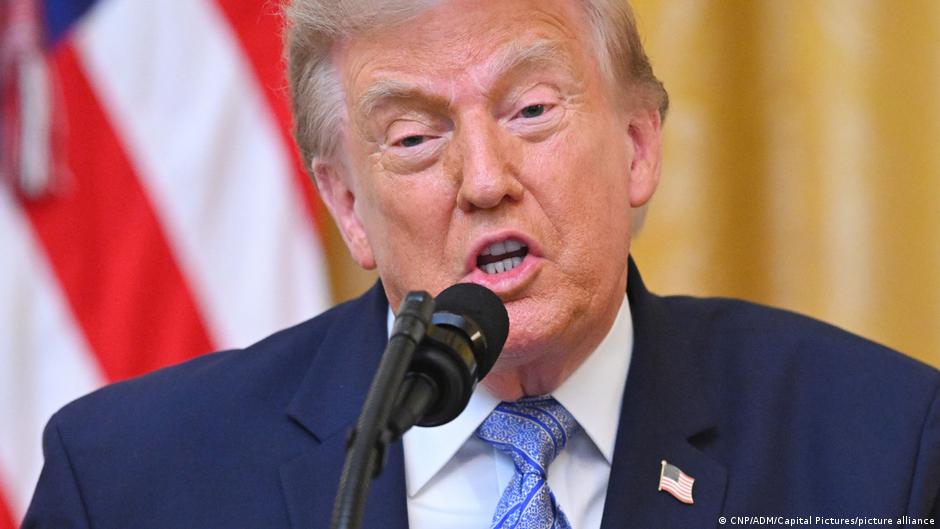
On July 20, US President Donald Trump signed executive orders imposing new 50-percent tariffs on a wide range of Canadian imports. Citing what he described as "discriminatory practices" by Canadian authorities against American alcoholic beverages, automobiles, and dairy products, the administration introduced duties encompassing products from wine, cement, to hockey sticks.
Background and Economic Rationale
The tariffs, set to take effect on August 19, exclude energy commodities, potash, and goods already subject to sector-specific tariffs. However, they notably affect imports covered under the United States-Mexico-Canada Agreement (USMCA), the successor to NAFTA, raising significant questions about the agreement's durability and enforcement mechanisms.
US Trade Representative Jamison Greer indicated that the tariffs would apply to approximately $20 billion worth of Canadian imports. He argued that Canada had restricted American alcoholic beverages from Canadian markets, granted broader dairy market access to European Union products, and imposed limitations on American automobile exports, particularly for companies relocating production back to the US.
"Canada removed American alcoholic beverages from Canadian shelves and restricted American car exports, while favoring EU dairy imports," said US Trade Representative Jamison Greer.
In response, Canadian Prime Minister Justin Trudeau emphasized Ottawa's readiness to "intensify" negotiations with Washington, proposing dispute resolution measures and USMCA modernization efforts. He criticized the US unilateral tariffs as violations of the trilateral trade agreement and underscored Canada's right to impose reciprocal measures.
Historical Context and Structural Consequences
This latest tariff escalation fits into a broader pattern of aggressive US trade policy since President Trump’s return to office, characterized by a preference for bilateral pressure tactics over multilateral cooperation. Notably, earlier tariffs often exempted goods under USMCA, but this move signals a shift toward a more confrontational stance affecting the core of the trilateral trade framework.
Moreover, the tensions extend beyond trade goods. Recently, President Trump threatened to increase tariffs further citing cross-border environmental externalities, such as air pollution from Canadian wildfires impacting US territories. This highlights the growing politicization of non-trade issues within economic policy tools.
In January, Trump also threatened 50-percent tariffs on all Canadian-manufactured aircraft, demanding certification for American competitor Gulfstream models be granted promptly. While the administration stated it would not revoke existing aircraft certifications, the threat underscored the high stakes in aerospace trade relations between the two nations.
The Canadian government, for its part, has expressed concern over the growing economic dependence on the US and called for diversification of trade partnerships. Prime Minister Trudeau has criticized the broader US trade and foreign policies as destabilizing the rules-based international order, urging global cooperation to counteract these tendencies.
Implications for North American Economic Integration
These tariff impositions risk undermining the economic integration that North America has pursued for decades. USMCA was expected to consolidate and modernize trade relations, but unilateral actions threaten to erode trust and increase uncertainty among businesses and investors.
Economically, the tariffs could increase costs for US manufacturers relying on Canadian inputs and disrupt supply chains that have evolved under integrated North American production systems. For Canada, retaliatory measures and market access restrictions could hamper export-dependent sectors, particularly dairy and automotive industries.
Beyond immediate trade losses, these tensions may push both countries to re-evaluate their trade strategies in a rapidly changing global economy, possibly accelerating efforts to diversify supply chains or seek alternative markets.
As trade diplomacy proceeds, the evolving US-Canada friction illustrates the complex interplay between national economic policies, international agreements, and geopolitical considerations shaping North American economic relations.