US Intelligence Warns Israel May Disrupt Washington-Tehran Deal Amid Regional Tensions
US agencies caution that Israeli opposition to the Iran agreement could complicate negotiations and regional stability.
The United States intelligence community has alerted the Trump administration that Israeli Prime Minister Benjamin Netanyahu may attempt to undermine the recently signed long-term agreement between Washington and Tehran. This warning highlights Israel's dissatisfaction with the terms of the accord and points to ongoing regional security challenges.
Contextualizing Israel’s Position and Regional Implications
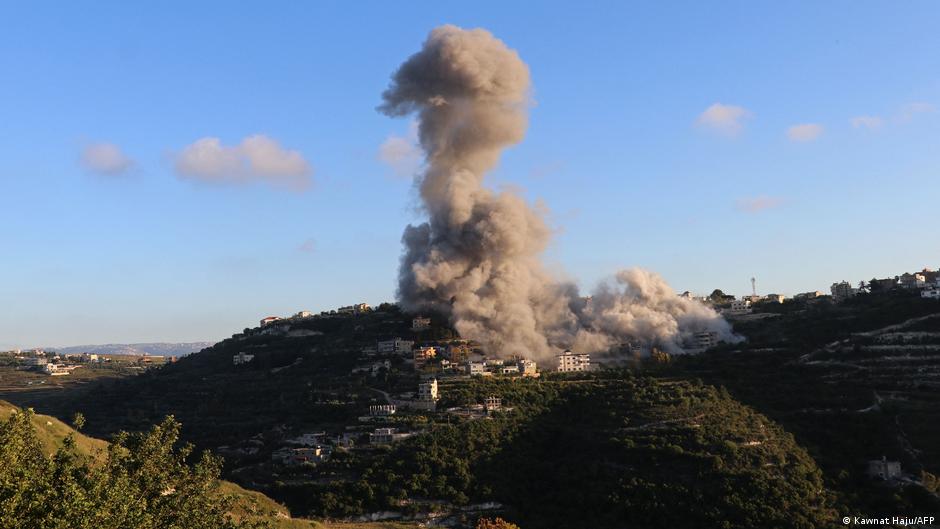
According to US intelligence sources, Israel continues military operations against Hezbollah, the Lebanese radical Shiite group supported by Iran. These actions stand in direct contradiction to Iranian demands, which seek cessation of hostilities as a precondition to further negotiations with the United States.
“Israel views the agreement as a rollback of the 'maximum pressure' regime against Iran, potentially limiting Israel's capacity to counter Hezbollah.”
Israel's dissatisfaction stems from the memorandum of understanding signed on June 17 between the US and Iran, which Israeli authorities perceive as relieving Tehran from stringent sanctions and constraining Israel's ability to defend itself from Hezbollah threats. Netanyahu’s political calculus, amidst preparations for Israel’s parliamentary elections in late 2026, is heavily influenced by domestic public opinion: a May survey by the Institute for National Security Studies indicates that approximately 70% of Jewish Israelis support intensifying efforts against Hezbollah.
From Israel’s perspective, any cessation of hostilities or withdrawal of the Israel Defense Forces (IDF) from southern Lebanon could be politically damaging for Netanyahu, who risks being seen as capitulating to Iranian influence.
American media reports, including those from CNN, suggest that Netanyahu is actively seeking to apply pressure on President Trump to derail the Iran deal. Netanyahu reportedly doubts the feasibility of a final agreement given Iran's reluctance to limit its nuclear program and is leveraging right-wing commentators, allied media outlets, and supportive US senators to influence opinion in Washington.
Despite this tension, on June 19, reports from Reuters and Sky News indicated a ceasefire agreement between Israel and Hezbollah. However, Israeli sources clarified that while fighting had paused, the IDF planned to maintain its presence in southern Lebanon. Contradictory claims emerged from Beirut, accusing the IDF of violating the ceasefire with strikes after its commencement, though Israeli authorities have not confirmed these allegations.
Strategic Dynamics and the Path Forward
The ceasefire is a critical component of the memorandum, which aims to halt the conflict initiated on February 28 by the US and Israel against Iran’s regional proxies. The document envisions a 60-day negotiation window following the signing, during which final peace terms are to be negotiated among the parties involved.
Nonetheless, hostilities in Lebanon persisted beyond the agreement’s signing, casting uncertainty over the prospect of lasting peace. Scheduled talks between US and Iranian delegations in Switzerland on June 19 were postponed, despite Swiss authorities’ anticipation of a multi-party meeting involving intermediary states such as Qatar and Pakistan.
Further complicating the negotiations, Iranian representatives have demanded tangible proof of US compliance with the memorandum before engaging in subsequent discussions. In response to the talks' postponement, President Trump stated on his social media platform that it was Iran, not the US, acting out of desperation, reaffirming his administration’s refusal to release any funds to Tehran during the negotiation period.
These developments underscore the fragile nature of the US-Iran deal and the intricate role Israel plays in shaping its trajectory. Netanyahu’s opposition, driven by security concerns and domestic political imperatives, could significantly influence the course of negotiations, regional stability, and the broader geopolitical landscape in the Middle East.