US Labor Secretary Lori Chavez-DeRemer Resigns Amid Misconduct Allegations, Raising Broader Cabinet Instability Concerns
Labor Secretary Lori Chavez-DeRemer departs Trump administration amid a misconduct probe, signaling potential wider cabinet reshuffles.
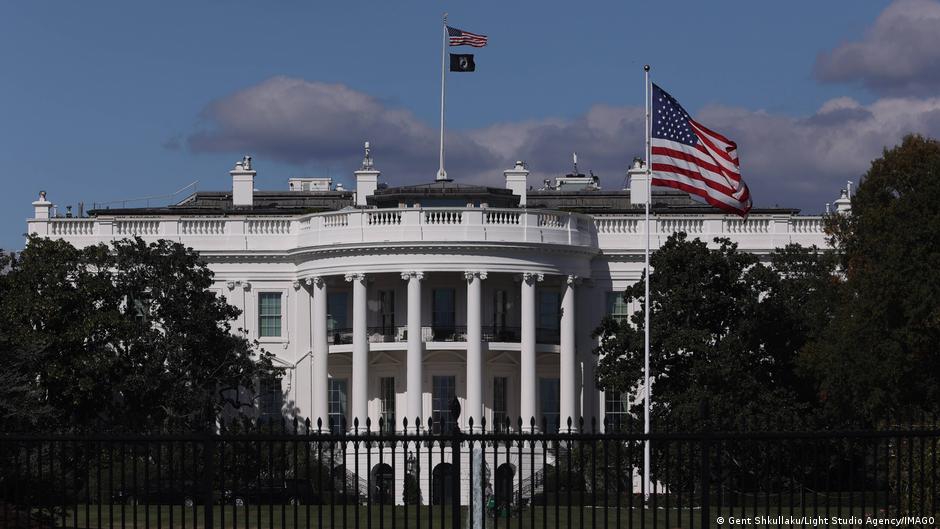
The resignation of U.S. Labor Secretary Lori Chavez-DeRemer marks the latest in a series of high-profile departures from the Trump administration, spotlighting ongoing leadership turbulence and potential structural consequences for governance and policy continuity. Chavez-DeRemer announced her exit following allegations of misconduct, including inappropriate relationships and misuse of official resources, fueling speculation about broader cabinet instability ahead of the administration's final months.
Context and Details of the Resignation
On the night of April 20, the White House Communications Director, Stephen Chung, announced via social media platform X that Chavez-DeRemer would be leaving her post to join the private sector. Following her departure, Keith Sonderling has been named acting Secretary of Labor.
Chavez-DeRemer herself expressed gratitude for her tenure, describing it as an "honor to serve in this historic administration and work for the greatest president." However, her resignation comes after internal investigations within the Department of Labor uncovered allegations of sexual misconduct, the exploitation of business trips for personal leisure, and other abuses of authority.
"She was accused of using official travel to attend mixed martial arts events, concerts, and visit friends and family, in addition to demanding alcohol purchases by staff."
These accusations have notably included sexual relations with a security employee and using government trips as cover for personal travel. Reports also indicate that Chavez-DeRemer requested that her team purchase alcohol on her behalf. The gravity of the situation is underscored by the fact that her spouse was barred from entering the Department of Labor building amid the investigation. Two of her aides resigned in March as the inquiry unfolded.
Implications for the Trump Administration's Cabinet Stability
Chavez-DeRemer's departure represents the third female cabinet member to leave the Trump administration within less than two months. Earlier in April, Attorney General Pam Bondi was dismissed following dissatisfaction with the Justice Department's handling of sensitive case materials. In March, Secretary of Homeland Security Kristi Noem also vacated her post.
According to reports from political news outlets, President Trump is contemplating additional cabinet changes, aiming to remove officials perceived as underperforming or damaging to the administration's public image. Potential departures under consideration include Commerce Secretary Howard Lutnik, FBI Director Kesh Patel, and Army Secretary Daniel Driscoll, the latter of whom has been involved in negotiations aimed at concluding the conflict in Ukraine.
Such high turnover rates carry significant implications beyond immediate political optics. Frequent leadership changes impair institutional memory, disrupt policy implementation, and complicate the administration's ability to pursue long-term strategic objectives. This is particularly consequential in departments critical to economic policy and national security amid ongoing global uncertainties.
Historical Parallels and Structural Economic Consequences
The turbulence within the Trump cabinet echoes precedents from previous administrations where personnel instability correlated with diminished policy coherence. Political science research suggests that ministerial volatility can erode bureaucratic efficiency and delay economic reforms, with ripple effects on market confidence and regulatory environments.
In the context of the U.S. labor market, the resignation of the Labor Secretary amid scandal risks undermining efforts to address post-pandemic workforce challenges, labor standards, and employment growth initiatives. The department’s leadership vacuum may stall progress on critical programs and diminish the government's responsiveness to economic shifts.
Moreover, the prospective reshuffling of other key cabinet members involved in trade, justice, and defense portfolios may further unsettle economic governance frameworks. This instability coincides with a period of global economic realignments and geopolitical tensions, requiring steady and credible leadership to navigate complex policy landscapes.
As the Trump administration faces these internal upheavals, observers will be watching closely to assess the impact on U.S. economic policy direction and administrative capacity in the months ahead.