US Push to Restore Russian Gas Transit Tests Europe’s Energy Strategy
The proposed US-mediated route through Ukraine could generate transit revenue while challenging Europe’s planned exit from Russian gas.
The United States is pressing for a rapid resumption of Russian natural gas supplies to Europe through Ukraine as part of negotiations over an energy truce between Moscow and Kyiv, The Wall Street Journal reported on Sunday, November 1, citing American, European and Ukrainian officials.
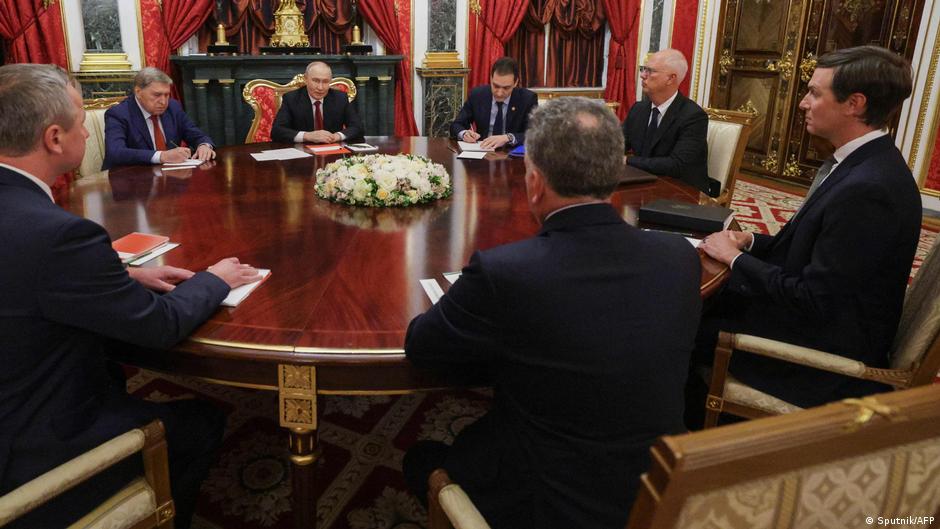
The proposal would place an American intermediary between Russian suppliers and European buyers. US negotiators Jared Kushner and Steve Witkoff discussed the concept during visits to Moscow and Kyiv in September, according to the newspaper. The structure is expected to provide a way around European sanctions while opening potentially profitable opportunities for American investors.
The initiative connects three economic objectives that have often been treated separately: reducing attacks on energy infrastructure, restoring a source of Ukrainian transit income and easing pressure on Europe’s energy market. Yet its commercial logic conflicts with the European Union’s longer-term policy of ending Russian gas imports by the close of 2027.
An economic incentive for an energy truce
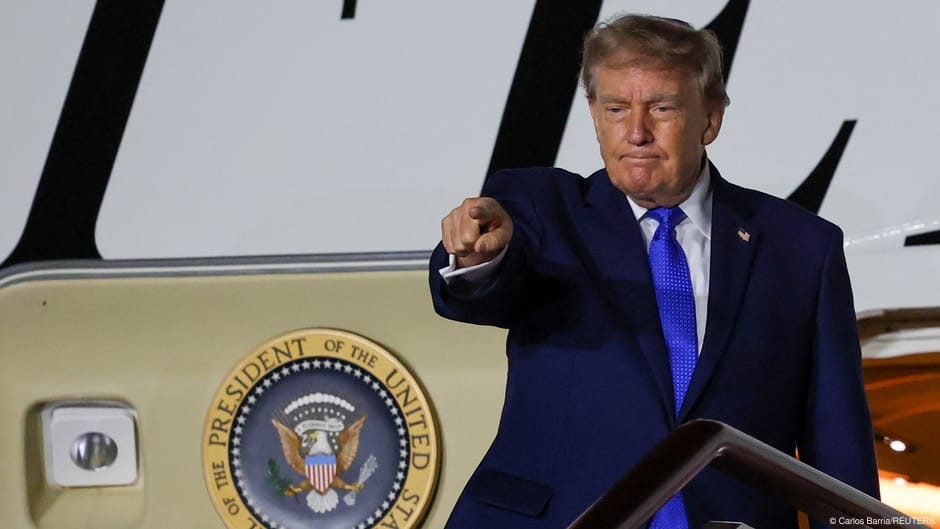
Washington is seeking a comprehensive agreement to halt strikes on energy facilities before trilateral talks involving the United States, Russia and Ukraine, scheduled for November in Abu Dhabi. The administration of President Donald Trump believes European resistance to renewed Russian gas flows may ultimately be less forceful than public statements suggest, the Journal reported.
US officials view Russia’s potential return to the European gas market as an additional incentive for President Vladimir Putin to support an energy truce. For Ukraine, reopening the transit route would generate new revenue from moving Russian gas across its territory. That combination gives the proposal an unusual structure: Moscow would recover access to customers, Kyiv would receive transit payments, and an American intermediary could gain a commercial role in the transaction.
The White House has also proposed depositing proceeds from Russian gas sales to Europe in a special account located in a third jurisdiction, according to one US official cited by the newspaper. The mechanism is intended to restrict the use of the revenue for military purposes.
The plan attempts to turn gas transit from an instrument of dependence into a financial incentive for limiting attacks on energy infrastructure.
Its viability would depend on more than engineering capacity or buyer demand. The arrangement would require a sanctions-compatible legal framework, credible oversight of the special account and sufficient confidence among governments and companies that the revenue restrictions could be enforced. The proposed American intermediary would therefore serve not only as a trader but also as a political buffer between Russian supply and European consumption.
Europe’s diversification faces a strategic test
The strongest opposition currently comes from Europe. EU legislation provides for a phased withdrawal from Russian gas imports by the end of 2027, while leaders of the largest European countries have repeatedly said they do not want to become dependent on Russian energy again.
The scale of Europe’s adjustment since Russia’s full-scale invasion of Ukraine illustrates the structural stakes. Russian gas now represents roughly 11% of European consumption, down from 45% on the eve of the invasion. At the same time, liquefied natural gas from the United States accounts for about 30% of European gas consumption.
Those figures show that the proposal is not simply about restoring an old pipeline route. Europe’s supply structure has already shifted substantially toward seaborne LNG, with the United States occupying a much larger position in the market. Renewed pipeline deliveries could introduce additional supply and potentially affect prices, but they would also complicate the political and investment assumptions underlying the EU’s diversification strategy.
The historical pattern of European-Russian gas trade was built around long-lived infrastructure and mutual commercial dependence. The current proposal would revive part of that system under a markedly different institutional model: an American middleman, sanctions constraints and possible controls over where sales revenue is held and how it may be used. That distinction could make the arrangement more politically manageable, but it would not remove European concerns about renewed exposure to Russian supply.
Some European officials have sharply criticized the idea in private, according to the Journal. Nevertheless, the Trump administration expects elevated energy prices and risks to energy security to make European governments more receptive. This calculation rests on a persistent tension in energy policy: governments may pursue strategic independence over the long term while accepting politically difficult supplies when near-term costs and security concerns intensify.
The proposal therefore poses a broader economic question for Europe. A limited resumption of transit could be presented as a temporary instrument supporting an energy truce and Ukrainian revenue, or it could become the first step toward rebuilding a commercial relationship the EU has committed to dismantling. The answer would shape not only gas flows but also infrastructure use, investment incentives and the credibility of Europe’s 2027 deadline.
For Washington, the plan offers a way to combine diplomacy with commercial intermediation. For Kyiv, it promises transit income alongside a possible reduction in attacks on energy assets. For Moscow, it offers renewed market access. Europe, however, would carry the central strategic trade-off: whether immediate energy-security and price considerations justify reopening a channel of dependence that its recent policy has been designed to close.