US Secretly Assisted 70 Vessels Through Iran-Blocked Strait of Hormuz Amid Rising Tensions
Over three weeks, the US Central Command covertly facilitated passage of commercial ships through the strategically vital Strait of Hormuz, with most vessels sailing without active transponders.
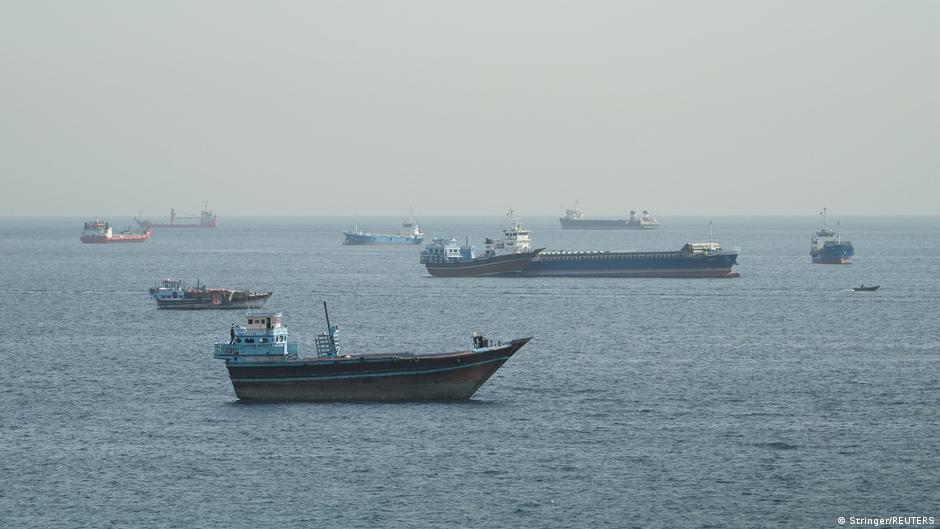
In a significant yet covert operation, the US Central Command (CENTCOM) has reportedly aided approximately 70 commercial vessels in navigating the Strait of Hormuz over the past three weeks despite Iranian attempts to blockade the critical waterway. The information, revealed by anonymous US officials, highlights the ongoing strategic contest between Washington and Tehran that reverberates through global oil markets and international maritime security.
Strategic Context and Operational Details
The Strait of Hormuz, a chokepoint through which roughly 20% of global petroleum passes, has been a focal point of US-Iran tensions, especially since the escalation of hostilities on February 28. Prior to the conflict, over 100 commercial vessels transited the strait daily, but recent CENTCOM data indicates that this number has plummeted to an average of just three. The US military's discreet facilitation of around 70 ship passages reveals an active, albeit low-profile, effort to maintain maritime commerce and counter Iranian blockade efforts.
"Operations were conducted to avoid Iranian coastline proximity where attacks are nearly guaranteed without permission," said one official, underscoring the perils commercial vessels face in the contested strait.
A majority of these vessels transited with their Automatic Identification System (AIS) transponders switched off, effectively becoming 'dark ships' to reduce vulnerability to Iranian targeting. In at least one instance, the operation took place well away from the Iranian coast to prevent missile or drone attacks potentially triggered by proximity. Despite these risks, most commercial vessels continue to seek Iranian approval for passage, with data from maritime analytics firm Kpler showing that out of 895 transits between March 1 and May 19, just over half were coordinated with Tehran, while approximately 40% followed unapproved routes.
Political and Economic Implications
President Donald Trump’s administration has maintained a delicate balance between demonstrating resolve and avoiding overt provocation. Notably, Trump paused the formal "Freedom Project," initially intended to provide explicit naval escort for vessels through the strait, opting instead for tacit support without direct military accompaniment to minimize escalation risks. This approach reflects broader strategic calculations in a complex geopolitical standoff where direct military confrontation risks global economic disruption.
The blockade and counter-blockade measures in the Strait of Hormuz have far-reaching economic consequences. The reduction of shipping traffic and the prevalence of 'dark' ship movements increase insurance costs, delay deliveries, and inject volatility into energy markets worldwide. As the primary passage for Iranian exports and a major artery for global oil distribution, disruptions here ripple across international energy supply chains, affecting prices and economic stability.
Moreover, the ongoing tension impacts long-term shipping patterns and investment decisions in maritime infrastructure, as companies weigh the risks of operating in contested waters versus seeking alternative routes, which are often less efficient and more costly.
Prospects for Resolution and Historical Parallels
Recent reports indicate that US and Iranian negotiators may have reached a preliminary framework agreement to de-escalate the conflict, though President Trump has yet to endorse the deal, demanding stringent conditions including Iran's abandonment of nuclear weapons ambitions. Iran acknowledges that a final agreement has not been concluded. The historical context of the Strait of Hormuz as a geopolitical hotspot dates back decades, with past conflicts underscoring how control over this narrow corridor can influence regional power balances and global economic flows.
This ongoing episode reflects the enduring strategic importance of maritime chokepoints in global economics and security. The US’s covert assistance to commercial shipping illustrates an adaptation of traditional naval power projection to contemporary geopolitical realities, blending military deterrence with economic imperatives.
As the situation evolves, the Strait of Hormuz serves as a barometer for US-Iran relations and a critical flashpoint where geopolitical dynamics intersect with global economic stability.