US Senate Advances Resolution to End Hostilities with Iran Without Congressional Approval
Senate moves to require presidential authorization for military actions against Iran, highlighting constitutional tensions and strategic economic risks.
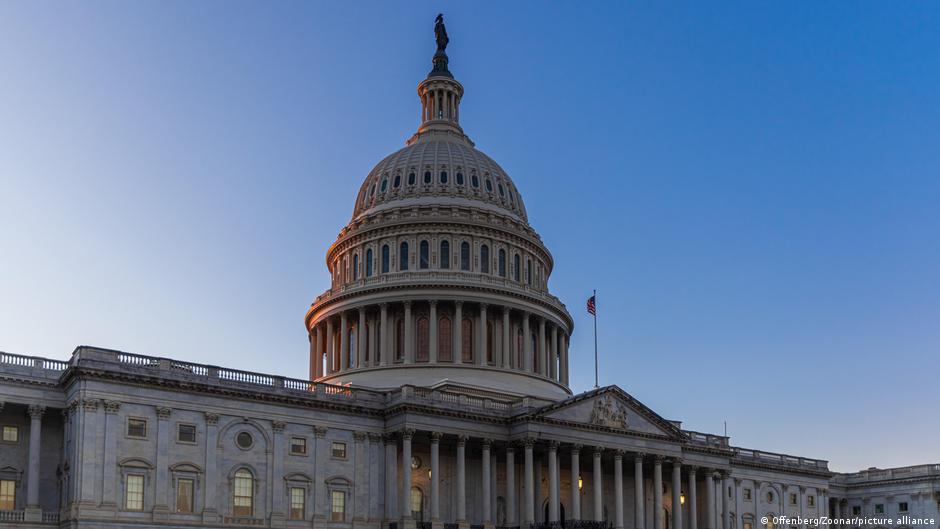
On May 19, the United States Senate voted to advance a resolution compelling President Donald Trump to either halt military operations against Iran or secure formal congressional authorization before continuing such actions. This move underscores ongoing institutional friction regarding the constitutional powers over war-making and raises questions about the broader economic and geopolitical consequences of sustained hostilities with Iran.
Legislative Efforts Amidst Military Tensions
The Senate procedural vote passed narrowly, with 50 senators in favor and 47 against. Notably, three Republican senators abstained due to their involvement in primary campaigns, reducing the likelihood of the resolution's full approval in the Senate. The resolution aims to enforce the War Powers Act of 1973, which mandates that the president seek congressional consent for military engagements extending beyond 60 days. While President Trump notified Congress on May 1, 2026, claiming the "end of war" with Iran after the 60-day limit, US military activities—such as port blockades and naval strikes—persist, suggesting a de facto continuation of conflict.
Seven previous attempts to advance this resolution were blocked by Senate Republicans, reflecting entrenched partisan divisions. The resolution was first introduced in March following US and Israeli military operations against Iran, and it has also faced obstruction in the House of Representatives. Senator Tim Kaine, a leading Democrat behind the current procedural push, argued that the ongoing ceasefire since April offers a strategic opportunity to debate military authorization transparently before resuming any hostilities.
"This is the perfect time to discuss before we start another war. The president receives peaceful and diplomatic proposals which he throws in the trash without sharing them with us," Kaine remarked, emphasizing the need for congressional oversight.
Economic and Structural Implications of Continued Conflict
The sustained military tension with Iran carries significant economic ramifications both regionally and globally. Iran remains a critical player in the global oil market, and any escalation risks disrupting energy supplies, potentially inflating oil prices and introducing volatility into international markets. The uncertainty surrounding US foreign policy and the unpredictable nature of military engagement complicate investment decisions and trade flows, affecting sectors far beyond defense.
Historically, prolonged conflicts without clear congressional mandate have strained the US political system and economy. The War Powers Act itself emerged as a legislative attempt to reassert congressional authority after the Vietnam War, aiming to prevent unchecked executive military actions that can lead to costly and protracted engagements. The current standoff reflects persistent challenges in balancing rapid executive responses with democratic accountability.
Moreover, the ambiguity in the US approach toward Iran complicates diplomatic efforts and regional stability. The apparent discrepancy between the official declaration of war’s end and ongoing military activities undermines credibility and may provoke retaliatory actions. Such instability in the Middle East could disrupt global supply chains and investor confidence, highlighting the intertwined nature of geopolitical decisions and economic outcomes.
As the Senate deliberates, the resolution symbolizes a critical juncture in US governance, testing constitutional checks and balances amid complex international dynamics. It also serves as a reminder of the enduring economic stakes embedded in foreign policy decisions, where choices over military engagement reverberate through markets and societies worldwide.