US Senate Prepares to Vote on Russia Sanctions During Zelensky’s Washington Visit
President Zelensky’s meeting with all 100 US Senators coincides with key legislative moves on sanctions against Russia amid complex geopolitical tensions.
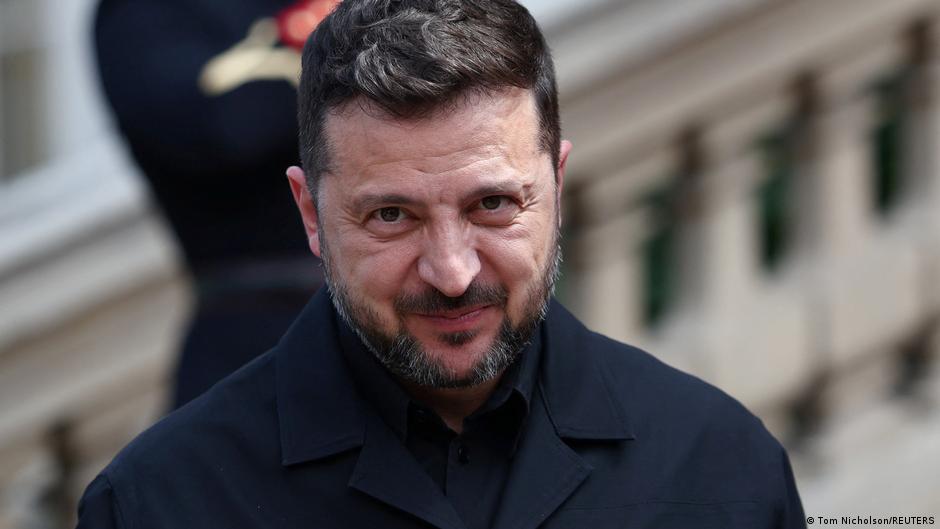
Ukrainian President Volodymyr Zelensky is scheduled to visit Washington, D.C., marking a significant moment in US-Ukraine relations as the US Senate prepares to vote on new sanctions legislation targeting Russia. This visit is set against the backdrop of the funeral of Republican Senator Lindsey Graham, a key figure in shaping the sanctions bill.
Senate Engagement and Legislative Momentum
All 100 members of the US Senate have been invited to meet with President Zelensky, reflecting the high level of bipartisan interest in Ukraine’s ongoing conflict with Russia. The meeting is planned for 6:00 PM local time on Tuesday at the US Capitol, signaling a rare moment of unified congressional attention to foreign policy amid domestic political challenges.
The Senate is expected to commence voting on a bill enhancing sanctions against Russia during Zelensky’s visit. This legislative effort was heavily influenced by Senator Graham, who met with Zelensky in Kyiv on July 10 in one of his last official acts. The bill not only targets Russia but also includes provisions supported by President Donald Trump that would extend sanctions against Iran and the Lebanese militant group Hezbollah.
President Trump’s endorsement of the sanctions legislation and his push to broaden its scope underscore the complex interlinkages between US foreign policy objectives in Eastern Europe and the Middle East. As the White House confirms, Trump plans to hold separate meetings with Zelensky and Israeli Prime Minister Benjamin Netanyahu, focusing on the wars in Ukraine and the Middle East respectively.
"Now is the time to end the war," White House officials noted, emphasizing the urgency of peaceful resolutions amidst escalating conflicts.
The meeting with Netanyahu will address ongoing negotiations with Lebanon and efforts to expand the Abraham Accords — agreements aimed at normalizing relations between Israel and several Muslim-majority countries. This underscores the interconnectedness of regional conflicts and peace initiatives, highlighting the broader strategic calculations behind the US’s diplomatic maneuvers.
Geopolitical and Economic Implications
Zelensky’s visit and the impending sanctions vote come at a pivotal moment. The sanctions are designed to increase economic pressure on Russia, aiming to curtail its military capabilities and influence in Ukraine. Historically, sanctions have been a double-edged sword, with economic consequences rippling through global markets, energy prices, and international trade patterns.
The inclusion of Iran and Hezbollah in the sanctions package broadens the scope of US economic statecraft in the Middle East, signaling a more aggressive stance that could affect oil markets and geopolitical stability in the region. This legislative strategy reveals an approach that links multiple conflict zones, leveraging economic tools to achieve diplomatic and security objectives.
Moreover, Ukrainian and US officials have reportedly been discussing a potential airspace ceasefire proposal as part of a broader framework to end hostilities in Ukraine. This signals early diplomatic overtures aimed at conflict resolution, albeit within a highly complex and fluid environment.
The intertwining of Zelensky’s visit, the Senate’s legislative agenda, and US diplomatic efforts with Israel exemplifies the multifaceted challenges the US faces in balancing domestic politics, global security, and economic impacts. Observers will be closely watching how these developments influence both the trajectory of the Ukraine war and broader geopolitical stability.