US Strikes on Iran Trigger Tehran’s Closure of Strait of Hormuz Amid Rising Tensions
Renewed US military actions in Iran prompt Tehran to close the strategic Strait of Hormuz, signaling escalating geopolitical and economic risks.
On June 10, US armed forces resumed targeted strikes on Iranian territory, intensifying an already volatile situation in the Persian Gulf region. The Central Command of the US military (CENTCOM) described these operations as a response to "unjustified and ongoing Iranian aggression." The strikes came shortly after announcements from US President Donald Trump and Defense Secretary Pete Hegseth, who emphasized that these actions aimed not to escalate into war but to create conditions favorable for new agreements.
The attacks began around 17:15 Eastern Time (23:15 Berlin time), striking multiple locations within Iran. Iranian state news agency IRNA reported explosions near the cities of Minab and Sirik. Furthermore, Reuters cited detonations close to the airport and military base in Bandar Abbas, a vital port city on the Persian Gulf, as well as in Gorgan.
Iran’s Military Response and Strategic Closure of the Strait of Hormuz
In retaliation, Iranian forces launched attacks against US military bases located in the Gulf Cooperation Council (GCC) countries and Jordan, reportedly including ballistic missile strikes. According to Kuwaiti military sources, the country’s air defense systems were activated, and Bahrain experienced renewed air raid sirens, signaling heightened regional alarm.
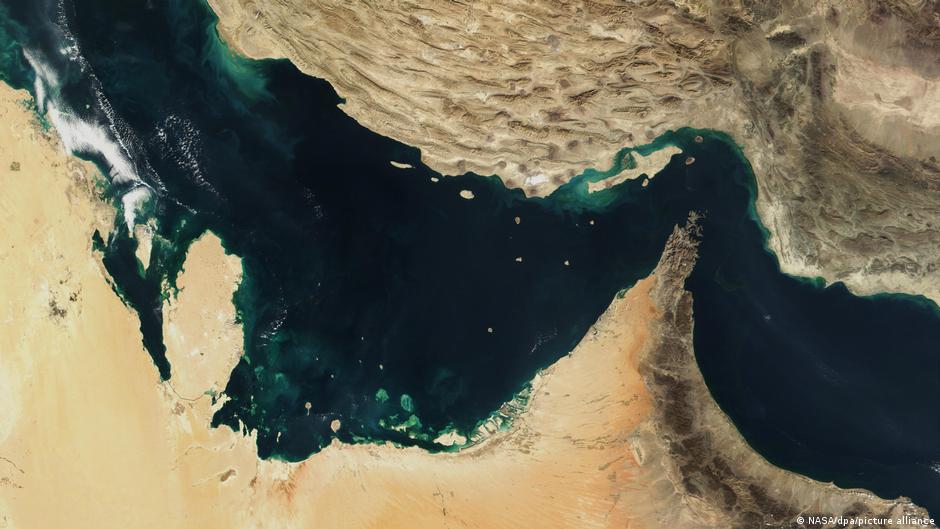
Most notably, Iran declared a complete closure of the Strait of Hormuz, a critical chokepoint through which approximately 20% of the world’s petroleum passes. Iran’s military command warned that any vessel attempting to transit the strait would be subject to attack. This move is justified by Tehran as a necessary security measure following the US strikes.
"Any ship attempting to pass through the Strait of Hormuz will be attacked," declared Iran’s military command, underscoring the shift in regional security dynamics.
Shortly after the announcement, Iranian state television reported that Iranian forces had already opened fire on two vessels, indicating the seriousness of the blockade. However, CENTCOM quickly disputed claims of a total closure, stating that commercial shipping continues to enter and exit the strait.
Economic and Structural Implications for Global Energy Markets
The closure of the Strait of Hormuz, even if partial or contested, represents a significant escalation with profound economic consequences. Historically, any disruption to this key maritime corridor has led to volatile energy prices and global supply chain uncertainties. Approximately 17 to 20 million barrels of oil per day pass through this narrow waterway, making it indispensable to the global energy infrastructure.
From an economic perspective, Tehran’s decision to threaten and partially enforce closure is a strategic leverage point. Faced with sanctions and military pressure, Iran appears willing to exert control over the strait to safeguard its national interests and force a reconsideration of US and allied policies.
Such confrontations risk triggering a broader regional conflict that could severely destabilize oil markets and impede global economic growth. The potential for supply chain disruptions underscores the fragility of energy-dependent economies and the interconnectedness of geopolitical security and economic stability.
Historically, incidents in the Strait of Hormuz have prompted international naval deployments and diplomatic efforts to maintain open shipping lanes. The current situation, however, reflects a deteriorated security environment where traditional deterrents may be insufficient.
Long-Term Structural Consequences
This escalation may accelerate global trends toward energy diversification and the search for alternative supply routes. Economies heavily reliant on Middle Eastern oil may increase investments in strategic reserves, renewable energy, and new pipeline projects that bypass vulnerable maritime chokepoints.
Moreover, the incident exemplifies how military confrontations in critical infrastructure zones translate into broader economic vulnerabilities. It reinforces the imperative for international dialogue and conflict resolution mechanisms focused on securing vital global economic arteries.
As tensions persist, monitoring the evolving military and diplomatic responses will be essential for anticipating shifts in energy markets and geopolitical alignments.