US Threatens to Impose Strait of Hormuz Transit Fees Amid Iran Deal Uncertainty
President Trump signals potential charges for passage through the strategic Strait of Hormuz if diplomatic agreement with Iran fails.
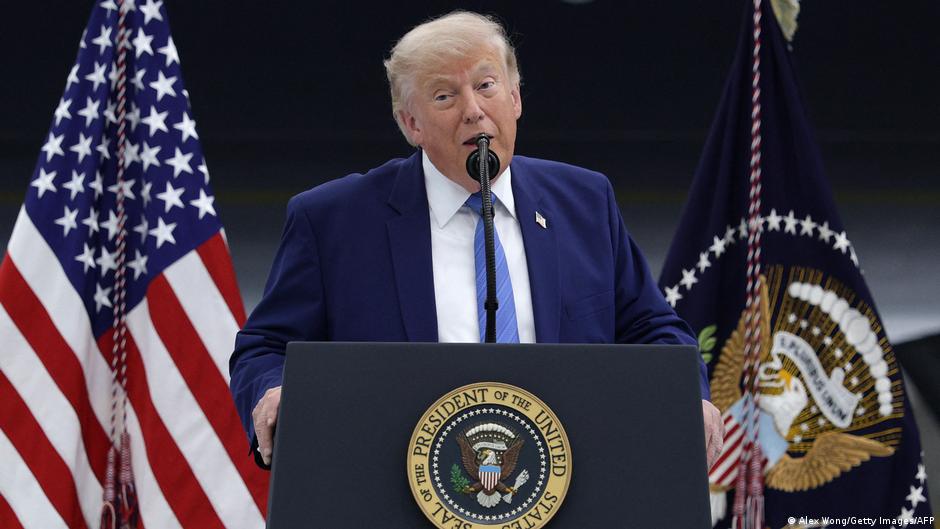
The United States has indicated it may impose a tariff on vessels passing through the Strait of Hormuz, a critical maritime chokepoint, should diplomatic negotiations with Iran collapse. This announcement came via President Donald Trump’s statement on the social media platform Truth Social on June 20.
Geopolitical Leverage and Economic Implications
President Trump framed the potential levy as a payment for "services" the U.S. provides to Middle Eastern countries, portraying America as the "guardian angel" of the region. The proposed fee would represent a direct monetization of the U.S. military and strategic presence in the Persian Gulf, which ensures the continued flow of energy supplies through one of the world's most vital oil transit routes.
Trump also indicated that no such fees would be charged during the 60-day ceasefire period agreed upon with Iran. Should the arrangement hold and commitments not be breached, the fee regime would remain suspended beyond this term. However, if Iran or its regional proxies violate the agreement, the U.S. reserves the right to implement the transit charges as a form of economic and strategic pressure.
"The payment would be a reward for the services rendered by the United States, which acts as the guardian angel for Middle Eastern countries," President Trump stated.
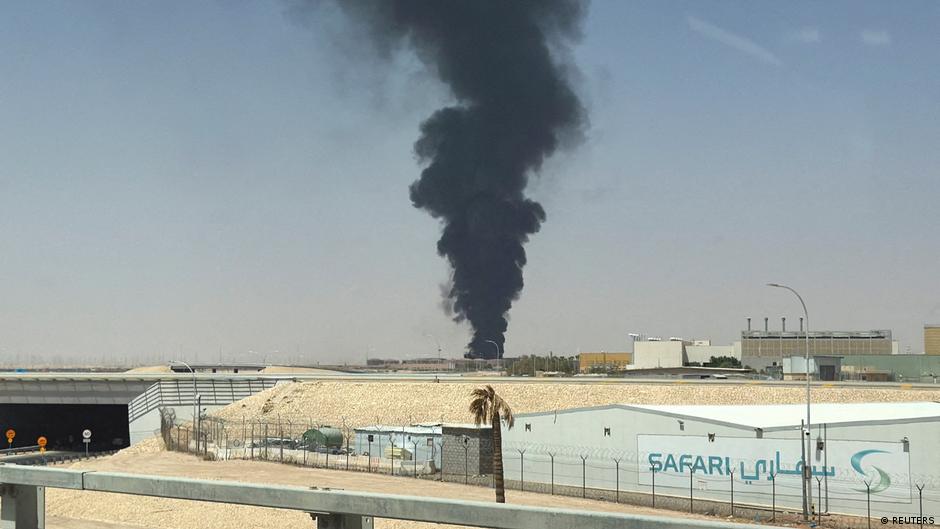
Earlier developments included the lifting of a blockade on the Strait of Hormuz, announced on June 18 by the U.S. Central Command (CENTCOM) following directives from the White House. This move came in the context of escalating tensions triggered by the ongoing conflict involving Iran, Israel, and allied factions.
Vice President James David Vance reported at a briefing that over 12.5 million barrels of oil passed through the strait within 24 hours, marking a record volume since hostilities escalated in late February. Notably, Iran refrained from attacking shipping traffic for two consecutive nights, signaling a tentative de-escalation during the ceasefire period.
However, on June 20, Iran announced a renewed prohibition on vessel passage through the strait. This decision was a direct response to continued Israeli military strikes in southern Lebanon, which Tehran viewed as contraventions of the ceasefire memorandum signed on June 17. The memorandum stipulated the cessation of all military actions on relevant fronts.
The Iranian military command warned that further aggression would provoke additional measures to compel opponents to honor their commitments. According to Iranian sources, this development underscores the fragility of the recent diplomatic progress.
Historical Parallels and Structural Consequences
The Strait of Hormuz has historically been a flashpoint due to its strategic importance in global energy markets. Approximately 20% of the world’s petroleum passes through this narrow waterway, making any disruption a potential shock to global oil prices and energy security.
The U.S. consideration of imposing fees for passage through an international strait is unprecedented in modern history and signals a shift towards direct economic exploitation of military presence. This approach risks exacerbating regional instability by weaponizing maritime transit rights and could provoke retaliatory economic or military actions from Iran and its allies.
Moreover, such a policy could set a precedent with long-term structural consequences for international maritime law and freedom of navigation principles. It raises critical questions about the balance between national security interests and global trade freedoms.
In the context of the ongoing conflicts and fragile ceasefire agreements, the potential imposition of transit fees may further complicate diplomatic efforts to stabilize the region. The economic burden would likely fall on oil-exporting and importing countries reliant on the Strait, potentially increasing energy costs worldwide.
As the situation develops, analysts will be monitoring whether the U.S. moves forward with this policy and how Iran and regional actors respond. The strategic calculus surrounding the Strait of Hormuz remains a key factor in Middle East geopolitics and global energy markets.